
Your back is one of the most important muscle groups in your entire body. A strong back helps you stand taller, move better, and avoid pain during daily activities. Many people forget to train their back muscles properly, focusing instead on what they can see in the mirror. This is a big mistake because back strength is the foundation for almost every movement you make.
The good news is that you do not need expensive gym equipment or complicated machines to build a powerful back. With just a pair of dumbbells, you can perform incredibly effective back dumbbell exercises right at home. These simple yet powerful movements can help you develop strength, improve your posture, and create that athletic V-shaped upper body that many people desire.
In this complete guide, we will explore the best dumbbell back exercises that target all the major muscles in your back. Whether you are just starting your fitness journey or looking to take your training to the next level, these back exercises with dumbbells will give you real results you can feel and see.
Why You Need to Train Your Back Muscles

Before diving into specific back workouts with dumbbells, it is important to understand why back training matters so much. Think about how much time you spend sitting at a desk, looking down at your phone, or hunched over a computer. All of these activities push your shoulders forward and weaken your back muscles. Over time, this can lead to poor posture, shoulder pain, and even neck problems.
Regular back dumbbell workout sessions help reverse these negative effects by strengthening the muscles that pull your shoulders back and keep your spine in proper alignment. Strong back muscles also make you better at sports and physical activities. Whether you are lifting heavy boxes, carrying groceries, or playing with your kids, your back muscles are always working.
Additionally, building a strong back creates a more balanced and athletic physique. While many people focus heavily on chest and arm training, neglecting the back creates muscle imbalances that can actually make you weaker and more prone to injuries. A well-developed back gives your upper body width and creates that impressive V-taper that makes your waist appear smaller.
Understanding the Major Back Muscles
Your back is made up of several different muscle groups. The latissimus dorsi muscles are the largest muscles in your back and create that wide, V-shaped appearance. The trapezius muscles extend from your skull to your middle back and help with shoulder movements and neck support. The rhomboid muscles sit between your shoulder blades and are crucial for maintaining proper shoulder position. The erector spinae muscles run along your spine and protect your lower back during lifting activities.
The Best Dumbbell Back Exercises to Build Strength and Muscle
Now let us look at the most effective back dumbbell exercises you can perform. These movements deliver excellent results, can be done almost anywhere, and work for people at different fitness levels.
Dumbbell Bent Over Row
The bent over row is one of the most important exercises for building back thickness and strength. This movement targets your latissimus dorsi, rhomboids, and trapezius muscles all at once. Stand with your feet shoulder width apart while holding a dumbbell in each hand. Push your hips back and lean your torso forward until it is almost parallel to the floor. Keep your back straight and core tight. Pull both dumbbells up toward your ribcage by driving your elbows straight back. Squeeze your shoulder blades together at the top before slowly lowering the weights. The key is maintaining proper form without rounding your back or using momentum.
Single Arm Dumbbell Row
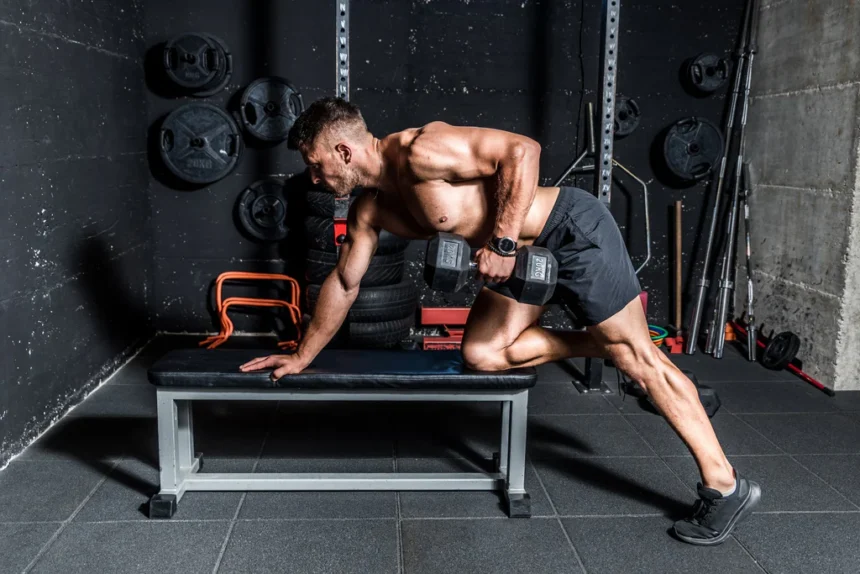
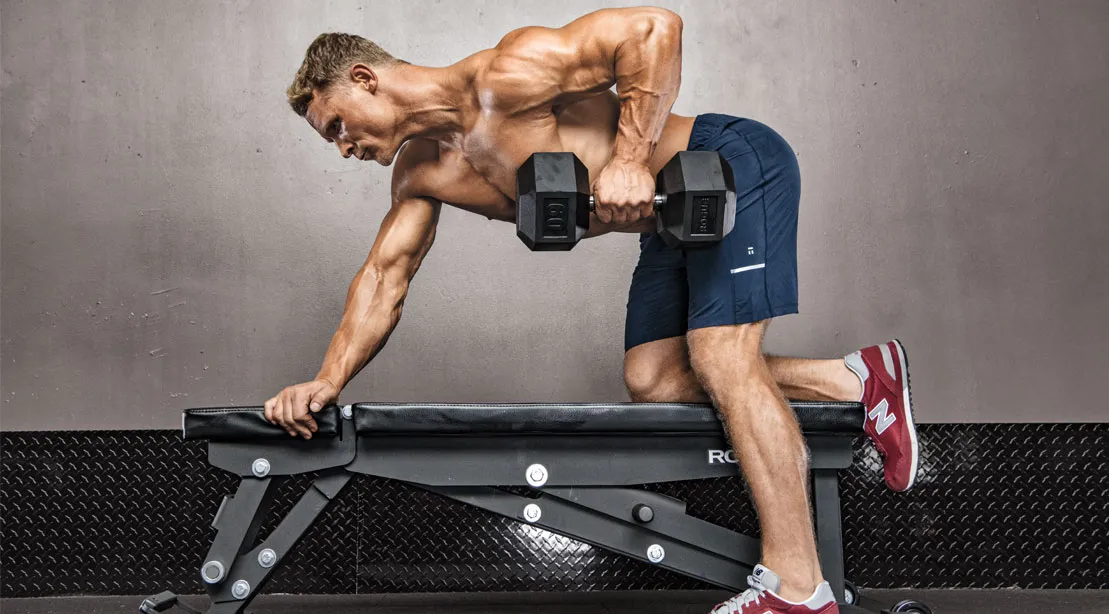
The single arm variation allows you to focus on one side at a time, helping correct muscle imbalances. Place one hand and knee on a bench for support while holding a dumbbell in your other hand. Keep your back flat and row the dumbbell toward your hip, keeping your elbow close to your body. Pause at the top before lowering with control. Many people find they can really concentrate on the working muscles when training unilaterally, leading to better development.
Dumbbell Pullover
The dumbbell pullover stretches and strengthens your latissimus dorsi while also working your chest and core. Lie across a flat bench with upper back and shoulders supported. Hold a single dumbbell with both hands above your chest, arms slightly bent. Slowly lower the dumbbell back over your head in an arc while keeping the same arm position. Feel the stretch in your lats before pulling the weight back up. Keep your core engaged to prevent excessive lower back arching.
Reverse Fly
The reverse fly targets your rear shoulder muscles and upper back, areas often neglected in training. Stand with feet hip width apart and hinge forward at your hips. Hold dumbbells with palms facing each other. With a slight elbow bend, raise both dumbbells out to the sides until arms are parallel to the floor. Squeeze your shoulder blades together at the top. This movement is perfect for anyone who spends hours sitting at a computer, as it strengthens muscles that become weak from poor posture.
Renegade Row
The renegade row combines back training with core stability work. Start in a push up position gripping dumbbells on the floor. Keep feet wider than shoulder width for stability. With your core tight and body straight, row one dumbbell up toward your ribcage while supporting yourself with the other arm. The challenge is preventing hip rotation during the movement. This exercise builds tremendous core strength along with developing your back.
Romanian Deadlift
The Romanian deadlift strengthens your entire posterior chain, including lower back and spinal erectors. Stand holding dumbbells at your sides with feet hip width apart. Keep a slight knee bend throughout. Push your hips back and lower the dumbbells down the front of your legs, keeping them close to your body. Your back must remain flat. Once you feel a hamstring stretch, push your hips forward to return up. Never round your back during this exercise.
Creating an Effective Back Dumbbell Workout Routine
A well designed back workout with dumbbells should target all major muscle groups while allowing adequate recovery. For beginners, start with two to three back exercises performed twice per week. Choose movements like the bent over row, reverse fly, and dumbbell pullover. Perform three sets of eight to twelve repetitions, using weight that makes the last few reps challenging while maintaining good form.
As you progress, add more exercises and increase training volume. An intermediate workout might include four to five movements for three to four sets each. Always focus on quality over quantity, ensuring each repetition uses proper technique. Rest sixty to ninety seconds between sets when training for muscle growth, or slightly longer if building maximum strength.
Common Mistakes to Avoid
Using momentum instead of muscle is a frequent mistake that happens when weights are too heavy. This reduces effectiveness and increases injury risk. Always choose weight that allows smooth, controlled movement. Another error is relying on arms rather than back muscles. Focus on initiating movement by squeezing shoulder blades and pulling with back muscles. Rounding your back during exercises like rows and deadlifts can lead to injury. Maintain neutral spine by engaging core and keeping chest up. Finally, train your back frequently enough with sufficient variety to ensure complete development from multiple angles.
Tips for Maximum Results
Always warm up before training with five to ten minutes of light cardio and dynamic stretches. Focus on the mind muscle connection, consciously thinking about muscles working during each rep. Eat adequate protein to support growth, aiming for 0.7 to 1 gram per pound of body weight daily. Get seven to nine hours of quality sleep and allow 48 hours between back sessions for recovery.
Ready to transform your back and build the strength you have always wanted? Visit Men’s Buddy for more expert fitness guidance, workout programs, and tips to help you reach your goals faster. Our comprehensive resources cover everything from proper exercise technique to nutrition advice.
Frequently Asked Questions About Dumbbell Back Exercises
How often should I train my back with dumbbells?
For most people, training your back two to three times per week provides optimal results. This allows you to work hard while giving muscles time to recover and grow stronger. Beginners should start with two sessions weekly, while advanced individuals can handle three. Always ensure at least 48 hours between back workouts for proper recovery.
Can I build a big back using only dumbbells?
Yes, you can definitely build a strong and muscular back using only dumbbells. Dumbbells offer unique advantages including greater range of motion, better muscle activation, and the ability to work each side independently. Many successful athletes have built impressive backs primarily using dumbbell exercises. The key is choosing the right exercises, using progressive overload, and maintaining consistency.
What weight dumbbells should I use for back exercises?
Choose weight that allows eight to twelve repetitions with good form, where the last two or three reps feel challenging. For bent over rows you might use heavier weights, while reverse flies require lighter weights due to smaller muscles involved. Start lighter than you think necessary and gradually increase weight as you become stronger.
Do back exercises with dumbbells help improve posture?
Absolutely! Regular back training is one of the best ways to improve posture. Many posture problems stem from weak upper back muscles. Exercises like rows and reverse flies strengthen muscles that pull shoulders back and help you maintain upright posture. Over time, this reduces slouching, decreases neck and shoulder pain, and helps you stand taller.
How long does it take to see results from back workouts?
Most people notice strength improvements within two to four weeks of consistent training. Visible muscle size changes typically become noticeable after six to eight weeks. However, improvements in posture and how you feel can happen even sooner. Results depend on training consistency, nutrition, sleep quality, and starting fitness level.
Building a strong back takes time and dedication, but the results are absolutely worth the effort. Start implementing these dumbbell back exercises into your routine today and watch as your strength, posture, and physique improve week after week. For even more workout tips, training programs, and fitness advice, check out Men’s Buddy where we help men achieve their fitness goals through expert guidance and proven strategies.