

Have you ever spent a beautiful day at the beach, only to feel extremely sick a few hours later? You might think it’s just a regular sunburn, but what you’re experiencing could be sun poisoning. Understanding sun poisoning symptoms can help you protect your health and know when to seek medical care.
Sun poisoning is not about actual poison in your body. Instead, it refers to a severe reaction your skin has after too much exposure to harmful ultraviolet rays from the sun. While many people use this term loosely, it usually means a very bad sunburn that makes you feel unwell all over your body, not just where your skin got burned.
What Exactly Is Sun Poisoning
When we talk about sun poisoning symptoms, we’re really describing what happens when your skin gets damaged badly by the sun’s ultraviolet light. Think of it as your body’s alarm system going off after receiving too much sun exposure. Your skin doesn’t just turn red or darker anymore. It reacts in ways that affect your whole body and makes you feel genuinely sick.
The sun sends out different types of rays that can hurt your skin. The two main ones are UVA and UVB rays. Both can cause damage, but when you get too much of either one, your body responds with inflammation and other reactions that go beyond a simple sunburn. This is what people call sun poisoning.
Many men don’t realize how quickly sun damage can happen. You might be working outside, playing sports, or just enjoying outdoor activities at Men’s Buddy, thinking you’re fine until suddenly you’re not. The symptoms can appear within a few hours or might take up to a full day to show up completely.
Common Sun Poisoning Symptoms to Watch For
Recognizing sun poisoning symptoms early can make a big difference in how quickly you recover. Let’s talk about what you might experience if you’ve gotten too much sun.
Skin Changes That Signal Trouble
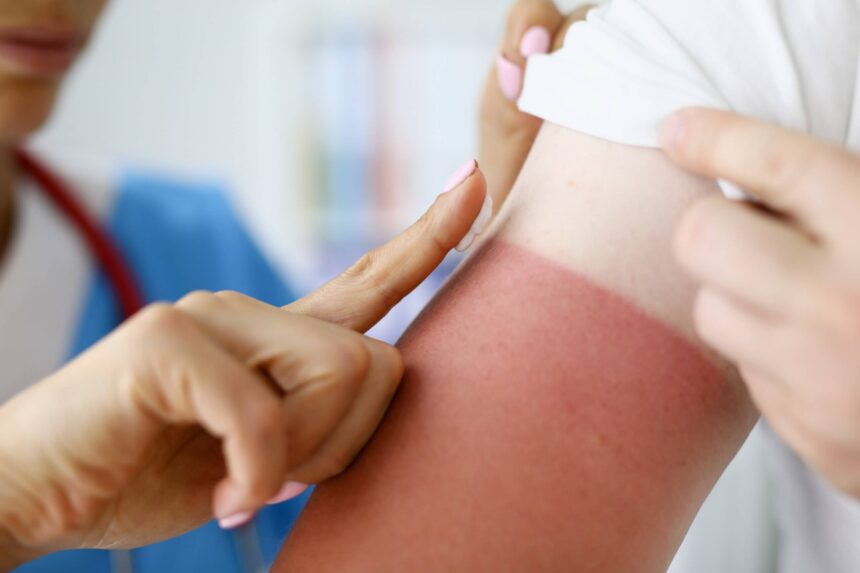
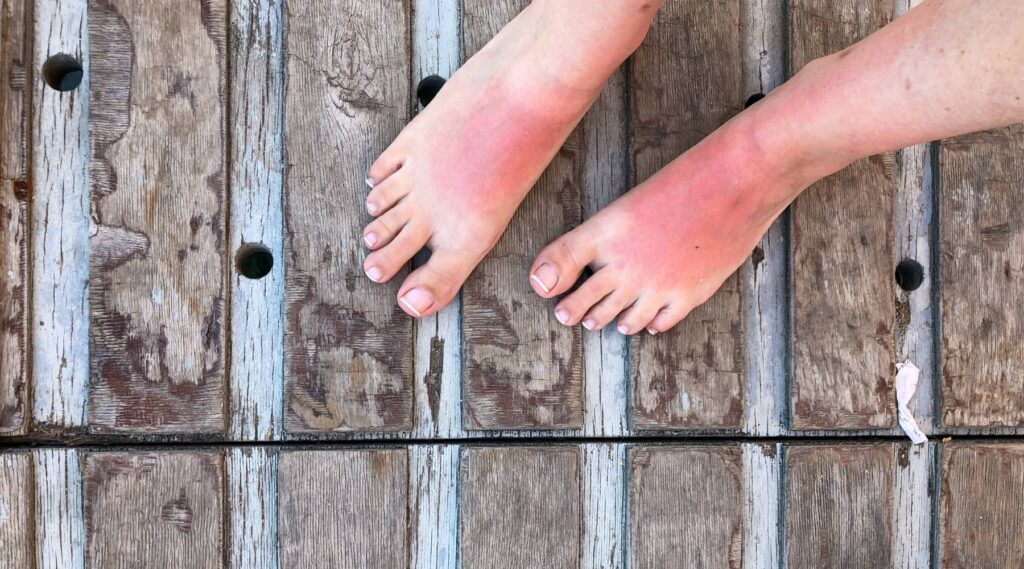
The first sun poisoning symptoms you’ll notice are on your skin. Your skin might become extremely red if you have lighter skin tones, or it might turn much darker than usual if you have darker skin. But sun poisoning goes beyond just color changes. Your skin might start forming blisters that are filled with fluid. These blisters can be small or quite large, and they’re often very painful to touch.
Peeling skin is another common sign, though this usually happens a few days after the initial sun exposure. You might also notice swelling in the areas that got the most sun. This swelling happens because your body is sending extra fluid to try and heal the damaged skin. Some people develop a severe rash that looks different from a regular sunburn. This rash might be bumpy, extremely itchy, or spread to areas that weren’t even directly in the sun.
Physical Symptoms Beyond Your Skin
One of the key differences between regular sunburn and sun poisoning symptoms is how your whole body feels. You might develop a fever, which means your body temperature rises above normal. This happens because your body is fighting the damage and inflammation caused by the sun. Along with fever, many people experience chills, even when it’s warm outside.
Headaches are very common with sun poisoning. These aren’t just small headaches either. They can be quite severe and might last for several hours or even days. You might feel dizzy or lightheaded, especially when you stand up quickly. This dizziness comes from dehydration, which we’ll talk about more in a moment.
Nausea and vomiting are also possible sun poisoning symptoms. Your stomach might feel upset, and you might not want to eat anything. Some people feel extremely weak and tired, like they have the flu. Your eyes might hurt too, feeling gritty or painful, especially if you were in bright sunlight without proper sunglasses.
Understanding Why Sun Poisoning Happens
Your body has a natural defense against the sun called melanin. This is the pigment that gives your skin its color. When sun rays hit your skin, melanin tries to protect deeper layers by absorbing some of the ultraviolet light. But when you get too much sun too quickly, this defense system gets overwhelmed.
The ultraviolet rays penetrate deep into your skin layers, causing damage to skin cells. Your body recognizes this damage and sends out an inflammatory response. This inflammation is actually your body trying to heal itself, but it’s what causes many sun poisoning symptoms like redness, pain, and swelling.
Dehydration plays a big role in why sun poisoning makes you feel so sick. When your skin gets badly burned, it pulls water from other parts of your body to try and heal the damaged area. This means less water for everything else your body needs to do, leading to symptoms like headaches, dizziness, and nausea.
How Sun Poisoning Differs from Other Conditions
Sun Poisoning vs Heat Rash
Many people confuse sun poisoning symptoms with heat rash, but they’re quite different. Heat rash happens when your sweat gets trapped under your skin. It creates small, itchy bumps that look like tiny pimples. Heat rash can occur without sun exposure and usually appears in areas where sweat collects, like under your arms or in skin folds.
Sun poisoning, on the other hand, happens specifically from ultraviolet ray exposure. The affected areas will be places that were directly in the sun. The skin changes are more severe, and you’ll have those additional symptoms like fever and nausea that don’t come with heat rash.
Sun Poisoning vs Sunstroke
Sunstroke, also called heat stroke, is a completely different emergency condition. While sun poisoning symptoms involve skin damage and related illness, sunstroke is about your body’s temperature regulation system failing. With sunstroke, your body gets so overheated that it can’t cool itself down anymore. This is life threatening and needs immediate emergency care.
You can get sunstroke from being in extreme heat, even without direct sun exposure. Someone working in a hot warehouse or sitting in a car without air conditioning during a heat wave could get sunstroke. The main symptoms include very high body temperature (often above 104 degrees Fahrenheit), confusion, rapid heartbeat, and possibly losing consciousness.
When to Seek Medical Help
Knowing when sun poisoning symptoms require professional medical care is extremely important. You should contact a doctor or visit urgent care if you experience any of these signs after sun exposure.
Large blisters covering a significant area of your body need medical attention. Doctors can properly treat these to prevent infection and reduce scarring. If you have a fever above 102 degrees Fahrenheit, this indicates a serious reaction that needs evaluation. Severe headaches that don’t improve with over the counter pain medicine should also prompt a doctor visit.
Signs of dehydration are particularly concerning. These include extreme thirst, very dark urine or not urinating much at all, dizziness that won’t go away, and confusion. If you feel faint or actually pass out, you need emergency care right away. Vomiting that prevents you from keeping down fluids is also a reason to seek help, as it will make dehydration worse.
Any signs of infection in burned skin require attention too. This includes increasing pain several days after the burn, pus coming from blisters, red streaks extending from the burned area, or swollen lymph nodes. Taking care of your health is just as important as taking care of your fitness goals, which is why at Men’s Buddy, we emphasize paying attention to all aspects of wellness.
How to Treat Sun Poisoning at Home
For milder sun poisoning symptoms, you can start treatment at home while monitoring whether you need professional help. The first step is getting out of the sun completely. Move to a cool, shaded area or go indoors right away.
Take a cool shower or bath, but avoid using ice cold water as this can shock your system. Let cool water run over the burned areas for 10 to 15 minutes. This helps reduce inflammation and provides immediate relief from pain and heat. After your shower, gently pat your skin dry. Don’t rub it, as this can cause more damage and pain.
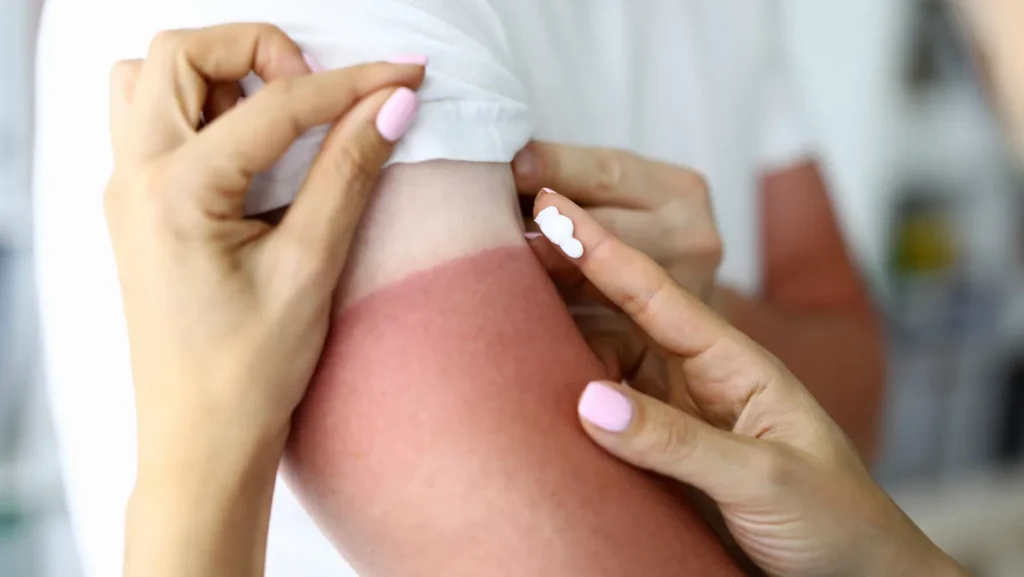
Apply aloe vera gel or a gentle moisturizer to the affected areas. Aloe vera has natural anti inflammatory properties that can soothe burned skin. Make sure any products you use are fragrance free and designed for sensitive skin. Avoid products with alcohol, as these can dry out your skin further.
Drinking plenty of water is crucial. Your body needs extra fluids to combat dehydration and help heal your damaged skin. Aim to drink more water than you normally would for several days. Sports drinks can also help, as they replace electrolytes lost through the inflammatory process.
Over the counter pain relievers like ibuprofen or acetaminophen can help with pain and reduce inflammation. Follow the dosing instructions on the package. Some research suggests that taking vitamin D3 supplements might help reduce inflammation from sun damage, but talk to a healthcare provider about appropriate dosing.
Cover the affected areas completely when you must go outside. Wear loose, breathable clothing that protects your damaged skin from any additional sun exposure. Even a small amount of sun on already burned skin can make symptoms much worse and slow healing.
Take Control of Your Health Journey
Understanding sun poisoning symptoms is just one part of staying healthy and active. Visit Men’s Buddy for more expert guides on protecting your health during outdoor activities, fitness tips, and wellness advice designed specifically for men who want to stay at their best.
Preventing Sun Poisoning Before It Starts
Prevention is always better than treatment when it comes to sun poisoning symptoms. Here’s how you can protect yourself effectively.
Choose the Right Sunscreen
Always use sunscreen with an SPF of at least 30. Look for labels that say “broad spectrum,” which means the sunscreen protects against both UVA and UVB rays. Apply sunscreen about 15 to 30 minutes before going outside. This gives it time to absorb into your skin and start working.
You need more sunscreen than you probably think. Most people don’t use enough. For your whole body, you should use about an ounce, which is roughly the amount that would fill a shot glass. Don’t forget areas like your ears, the back of your neck, your feet, and the tops of your hands. Reapply every two hours, or more often if you’re swimming or sweating heavily.
Smart Sun Timing
The sun’s rays are strongest between 10 in the morning and 4 in the afternoon. If possible, plan outdoor activities outside these hours. When you must be out during peak sun time, take breaks in the shade regularly. Remember that water, sand, and snow can reflect sun rays and intensify exposure, so you need even more protection in these environments.
Protective Clothing Matters
Wearing the right clothes provides excellent protection against sun damage. Choose tightly woven fabrics that don’t let light through easily. Some clothing now comes with built in UV protection ratings. Wear a wide brimmed hat that shades your face, ears, and neck. Sunglasses aren’t just about style. They protect your eyes from UV damage that can lead to cataracts and other eye problems later in life.
Know Your Risk Factors
Certain factors make you more likely to experience sun poisoning symptoms. Fair skin, light colored hair, and blue or green eyes mean you have less melanin protection. A family history of skin cancer increases your risk. Living or vacationing near the equator, at high altitudes, or in areas with intense sun exposure raises your chances of severe sun damage.
Some medications make your skin more sensitive to sunlight. These include certain antibiotics, acne medications, heart medicines, and birth control pills. Check with your pharmacist or doctor about whether any medications you take increase sun sensitivity. Health conditions like lupus can also make you more vulnerable to sun damage.
Long Term Effects to Consider
While immediate sun poisoning symptoms are painful and uncomfortable, repeated sun damage has serious long term consequences. Each sunburn increases your risk of developing skin cancer later in life. This includes melanoma, which is the most dangerous type of skin cancer.
Sun damage also causes premature aging of your skin. You might notice wrinkles, dark spots, and loss of skin elasticity appearing earlier than they should. Your skin might develop a leathery texture in areas that received repeated sun exposure over the years.
Taking care of your skin now protects your health and appearance for decades to come. Just as you invest time in staying fit and healthy through proper nutrition and exercise, protecting your skin from sun damage is an investment in your future wellbeing.
Frequently Asked Questions About Sun Poisoning Symptoms
How long do sun poisoning symptoms last?
Most sun poisoning symptoms start improving within a few days if you stay out of the sun and take proper care of your skin. Mild to moderate symptoms typically last three to five days. The redness and pain usually peak around 24 hours after exposure and then gradually improve. However, skin peeling might continue for one to two weeks. Severe cases can take longer to heal completely, sometimes up to several weeks.
Can you get sun poisoning on a cloudy day?
Yes, absolutely. This surprises many people, but clouds don’t block all ultraviolet rays. Up to 80 percent of UV rays can pass through clouds. People often get worse sunburns on cloudy days because they don’t feel the heat as much and stay out longer without protection. You need sunscreen and sun protection every day you’re outside, regardless of whether you can see the sun.
Is sun poisoning contagious to other people?
No, sun poisoning is not contagious at all. It’s a reaction your body has to sun damage, not an infection or illness you can pass to others. However, if your sun poisoning symptoms include blisters that pop and become infected with bacteria, that infection could potentially spread to others through direct contact. This is why keeping blisters clean and covered is important.
Can darker skin tones get sun poisoning?
Yes, people with darker skin can definitely experience sun poisoning symptoms, though they have more natural protection from melanin. The extra pigment in darker skin provides some defense against UV rays, but it’s not complete protection. Anyone can get sunburned and develop sun poisoning with enough exposure. Darker skinned individuals should still use sunscreen and take sun protection measures seriously.
Should I pop blisters from sun poisoning?
No, you should never pop blisters yourself. Blisters are your body’s way of protecting damaged skin underneath while it heals. Popping them increases your risk of infection significantly and can lead to scarring. If blisters are very large or extremely painful, see a doctor who can safely drain them in a sterile environment if necessary. Keep blisters clean, loosely covered, and let them heal naturally.
What’s the difference between sunburn and sun poisoning?
A regular sunburn affects just your skin with redness, pain, and possibly some peeling. Sun poisoning symptoms include all of that but also make you feel sick throughout your whole body. You might have fever, chills, nausea, severe headaches, and dizziness with sun poisoning. Basically, if a sunburn makes you feel like you have the flu, you’re dealing with sun poisoning rather than a simple burn.
Taking Action Against Sun Damage
Understanding sun poisoning symptoms helps you respond quickly when exposure happens and, more importantly, helps you prevent it in the first place. Your skin is your body’s largest organ, and protecting it from sun damage is a crucial part of maintaining overall health.
Remember that sun safety isn’t about avoiding the outdoors completely. It’s about being smart with your sun exposure. Use sunscreen daily, seek shade during peak hours, wear protective clothing, and stay hydrated. Pay attention to how your body responds to sun exposure and don’t ignore warning signs.
If you do develop sun poisoning symptoms, take them seriously. Start home treatment immediately and know when to seek professional medical care. Your health is worth protecting, and preventing sun damage now will benefit you for years to come.
For more health and wellness tips that help you stay active and healthy, explore the expert resources available at Men’s Buddy. We provide practical advice for men who want to take control of their health without complicated medical jargon.