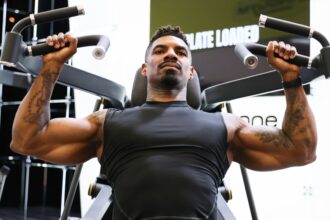


Building a strong and well-defined upper body starts with an effective back and shoulder routine. These two muscle groups work together in almost every pulling and pushing movement you make throughout the day. Whether you are reaching for something on a high shelf, carrying grocery bags, or simply maintaining good posture while sitting at your desk, your back and shoulders are constantly at work. Training them together not only saves time but also creates better muscle balance and functional strength that translates to real-world activities.
Many people struggle to see results in their upper body because they train their back and shoulders separately or use exercises that do not target the muscles effectively. The truth is that when you combine back and shoulder exercises in one routine, you create a synergistic effect that leads to faster muscle growth and improved overall strength. This comprehensive guide will walk you through everything you need to know about creating the perfect back and shoulder workout, whether you are working out at home or in the gym.
Why Training Back and Shoulders Together Makes Perfect Sense

Your back and shoulders are anatomically connected and function as a unit during many daily movements. The back muscles, including the latissimus dorsi, trapezius, and rhomboids, work alongside the deltoids in your shoulders to create pulling power and upper body stability. When you strengthen these muscles together, you develop better posture, reduce the risk of injury, and create that coveted V-shaped torso that many fitness enthusiasts desire.
Training your back and shoulders in the same workout session allows for efficient use of your gym time. Instead of dedicating separate days to each muscle group, you can complete a comprehensive upper body routine in a single session. This approach works particularly well for people who can only train three or four times per week. The overlapping nature of back and shoulder exercises means your muscles are already warmed up and ready to work when you transition from one exercise to another.
Another major advantage of combining these muscle groups is the balanced development they provide. Many gym-goers focus heavily on chest and arm training while neglecting their back and shoulders. This creates muscle imbalances that can lead to rounded shoulders, poor posture, and even chronic pain. A proper back and shoulder routine ensures you develop symmetrical strength across your entire upper body, which not only looks better but also functions better in everyday life.
Essential Exercises for Your Back and Shoulder Routine
The foundation of any effective back and shoulder workout includes compound movements that engage multiple muscle groups simultaneously. Pull-ups and lat pulldowns are excellent choices for developing width in your back. These exercises target your latissimus dorsi muscles, which create that wide, powerful look from behind. When performing pull-ups, focus on pulling your elbows down toward your hips rather than just trying to get your chin over the bar. This mental cue ensures you are using your back muscles rather than relying too heavily on your biceps.
Rowing movements are equally important for building thickness and depth in your back. Barbell rows, dumbbell rows, and cable rows all serve different purposes in a complete back and shoulder workout. Barbell rows allow you to lift heavier weights and build overall back strength. Dumbbell rows provide a greater range of motion and help correct muscle imbalances between your left and right sides. Cable rows offer constant tension throughout the movement, which is excellent for muscle growth and definition.
For shoulder development, overhead pressing movements should be the cornerstone of your routine. The military press, whether performed with a barbell or dumbbells, builds overall shoulder strength and mass. This exercise primarily targets the front and middle portions of your deltoids while also engaging your upper back and core for stability. Start with a weight that allows you to complete eight to twelve repetitions with proper form. As you get stronger, gradually increase the weight to continue challenging your muscles.
Lateral raises are essential for developing the middle deltoid, which gives your shoulders that rounded, three-dimensional appearance. Many people make the mistake of using too much weight on this exercise and end up swinging the dumbbells rather than isolating the shoulder muscles. Choose a lighter weight and focus on controlled movements. Raise the dumbbells to shoulder height, pause for a moment at the top, and then lower them slowly. This controlled tempo maximizes muscle engagement and minimizes the risk of injury.
Building Your Perfect Back and Shoulder Workout
A well-structured back and shoulder routine typically begins with compound movements when your energy levels are highest. Start your workout with pull-ups or lat pulldowns for three to four sets of eight to twelve repetitions. If you cannot perform pull-ups yet, use an assisted pull-up machine or resistance bands to help you build strength. The key is to maintain proper form throughout each repetition rather than rushing through the exercise with poor technique.
After your vertical pulling exercise, move on to a horizontal pulling movement like barbell rows or cable rows. Perform three to four sets of eight to twelve repetitions, focusing on squeezing your shoulder blades together at the top of each rep. This squeezing motion activates your middle back muscles and helps develop that thick, muscular appearance. Rest for sixty to ninety seconds between sets to allow your muscles to recover partially while keeping your heart rate elevated.
Once you have completed your back exercises, transition to shoulder work with overhead pressing. The military press or shoulder press should be your primary shoulder exercise, performed for three to four sets of eight to twelve repetitions. Make sure to keep your core tight and avoid arching your lower back excessively during the pressing motion. If you feel strain in your lower back, reduce the weight and focus on maintaining a neutral spine position throughout the movement.
Finish your workout with isolation exercises for your shoulders. Lateral raises target the middle deltoid, while rear deltoid flyes work the often-neglected back portion of your shoulders. Perform three sets of twelve to fifteen repetitions for each exercise. These higher repetition ranges work well for smaller muscle groups like the deltoids and help create balanced shoulder development. Remember that proper form is more important than lifting heavy weights, especially for isolation exercises.
Progressive Overload and Tracking Your Results
The principle of progressive overload is crucial for continued improvement in your back and shoulder routine. This means you need to gradually increase the demands on your muscles over time. You can achieve progressive overload by adding weight to your exercises, increasing the number of repetitions you perform, reducing rest time between sets, or improving your form and range of motion. Keep a workout journal or use a fitness app to track your progress and ensure you are consistently challenging yourself.
Many beginners make the mistake of adding too much weight too quickly, which leads to poor form and potential injury. A better approach is to increase the weight by small increments once you can comfortably complete the upper end of your target repetition range with good form. For example, if you are doing barbell rows for three sets of twelve repetitions and the last few reps feel easy, add five to ten pounds to the bar for your next workout. This gradual progression builds strength safely and sustainably over time.
Recovery is just as important as the workout itself when it comes to building muscle. Your back and shoulders need adequate rest between training sessions to repair and grow stronger. Most people see best results training their back and shoulders once or twice per week, with at least forty-eight hours of rest between sessions targeting these muscle groups. During rest days, focus on nutrition, sleep, and lighter activities like walking or stretching to support your recovery process.
Common Mistakes That Limit Your Progress
One of the most common mistakes people make in their back and shoulder routine is using momentum instead of muscle. Swinging weights or using jerky movements might allow you to lift heavier loads, but it reduces the tension on your target muscles and increases injury risk. Every repetition should be controlled and deliberate, with a focus on feeling the muscle work throughout the entire range of motion. If you need to swing the weight to complete a rep, the weight is too heavy.
Another frequent error is neglecting the rear deltoids and upper back muscles. Many exercisers focus heavily on pressing movements for the front and side shoulders while ignoring the back portion of the deltoid. This creates muscle imbalances that can lead to shoulder problems and poor posture. Make sure your back and shoulder workout includes exercises that target all three heads of the deltoid, as well as the various muscles of the upper, middle, and lower back.
Poor shoulder mobility is another factor that holds many people back from reaching their full potential. If your shoulders are tight and immobile, you cannot perform exercises through their full range of motion, which limits muscle activation and growth. Spend five to ten minutes before your workout performing dynamic stretches and mobility exercises for your shoulders and upper back. This preparation not only improves your exercise performance but also reduces the likelihood of injury.
Nutrition and Supplementation for Back and Shoulder Growth
Building impressive back and shoulder muscles requires more than just hard work in the gym. Your nutrition plays a crucial role in muscle recovery and growth. Aim to consume adequate protein throughout the day, with a target of roughly one gram per pound of body weight. High-quality protein sources include chicken, fish, lean beef, eggs, and plant-based options like beans and tofu. Spreading your protein intake across multiple meals helps maintain a steady supply of amino acids for muscle repair.
Carbohydrates provide the energy you need to power through intense back and shoulder workouts. Complex carbohydrates like brown rice, sweet potatoes, oatmeal, and whole grain bread should make up a significant portion of your daily caloric intake. These foods provide sustained energy and help replenish glycogen stores in your muscles after training. Do not be afraid of carbohydrates when trying to build muscle, as they are essential fuel for high-intensity exercise.
Healthy fats support hormone production and overall health, both of which are important for muscle growth. Include sources of omega-3 fatty acids like salmon, walnuts, and flaxseeds in your diet. These anti-inflammatory fats can help reduce muscle soreness and support recovery between workouts. While supplements are not necessary for everyone, many people find that creatine monohydrate and whey protein powder can support their training goals when combined with a solid nutrition foundation.
Adapting Your Routine for Home Workouts

You do not need a fully equipped gym to build strong back and shoulders. With minimal equipment, you can create an effective back and shoulder routine at home. Resistance bands are incredibly versatile and can replicate many gym exercises. Band pull-aparts strengthen the rear deltoids and upper back, while banded rows provide an excellent substitute for cable rows. Overhead band presses challenge your shoulders without requiring heavy dumbbells or barbells.
If you have access to a pull-up bar, you have one of the most effective back-building tools available. Pull-ups and chin-ups are superior exercises for developing back width and overall upper body strength. If you cannot perform full pull-ups yet, start with negative pull-ups where you jump to the top position and lower yourself down slowly. This eccentric training builds strength rapidly and helps you progress toward full pull-ups.
Dumbbells are another excellent investment for home training. A set of adjustable dumbbells allows you to perform virtually every back and shoulder exercise you would do in a gym. Dumbbell rows, shoulder presses, lateral raises, and rear delt flyes can all be performed with basic equipment in your living room or garage. The key is to focus on proper form and progressive overload, gradually increasing the weight or repetitions over time.
Frequently Asked Questions About Back and Shoulder Routines
How often should I train my back and shoulders together?
Most people achieve best results training their back and shoulders once or twice per week. If you train these muscle groups once weekly, make sure the workout is comprehensive and includes enough volume to stimulate growth. If you train them twice weekly, consider splitting the exercises between the two sessions or reducing the volume per session to avoid overtraining. Always allow at least forty-eight hours of recovery between sessions that target the same muscle groups.
Can I build muscle with just bodyweight exercises for back and shoulders?
Yes, bodyweight exercises can definitely build muscle in your back and shoulders, especially if you are new to training. Pull-ups and chin-ups are excellent back builders, while pike push-ups and handstand push-ups target the shoulders effectively. However, as you get stronger, you will eventually need to add resistance through weighted vests, resistance bands, or external weights to continue making progress. Progressive overload is essential for long-term muscle growth.
What should I do if I feel shoulder pain during exercises?
Shoulder pain during exercise is not normal and should not be ignored. Stop the exercise immediately and assess whether the pain is sharp or dull. Sharp pain often indicates an acute injury, while dull pain might suggest inflammation or overuse. Reduce the weight you are using, check your form, and ensure you are warming up properly before training. If pain persists, consult a healthcare professional or physical therapist before continuing your training program.
Is it better to train back and shoulders on the same day or separate days?
Both approaches can work depending on your schedule and goals. Training back and shoulders together is time-efficient and creates balanced upper body development. However, if you have the time and prefer to focus intensely on one muscle group per session, splitting them across different days allows for higher training volume per muscle group. Choose the approach that fits your schedule and allows you to train consistently.
How long should my back and shoulder workout last?
An effective back and shoulder routine typically lasts between forty-five and seventy-five minutes, including warm-up and cool-down. This duration allows enough time to complete six to eight exercises with adequate rest between sets. If your workouts consistently run longer than ninety minutes, you might be resting too long between sets or including unnecessary exercises. Keep your workouts focused and efficient for best results.
Take Your Upper Body Training to the Next Level
Developing a strong back and powerful shoulders takes time, consistency, and smart training. The back and shoulder routine outlined in this guide provides a solid foundation for building impressive upper body strength and size. Remember that everyone progresses at their own pace, so do not compare your journey to others. Focus on proper form, progressive overload, adequate recovery, and supporting your training with good nutrition.
Start implementing these principles today and track your progress over the coming weeks and months. Take photos and measurements so you can see the changes happening in your body. Stay consistent with your training schedule, push yourself during each workout, and trust the process. Building the physique you want is a marathon, not a sprint, but every workout brings you one step closer to your goals.
Ready to transform your upper body? Visit Men’s Buddy today for more workout routines, nutrition guides, and expert advice on building the strong, healthy body you deserve. Your journey to a more powerful back and shoulders starts now.