
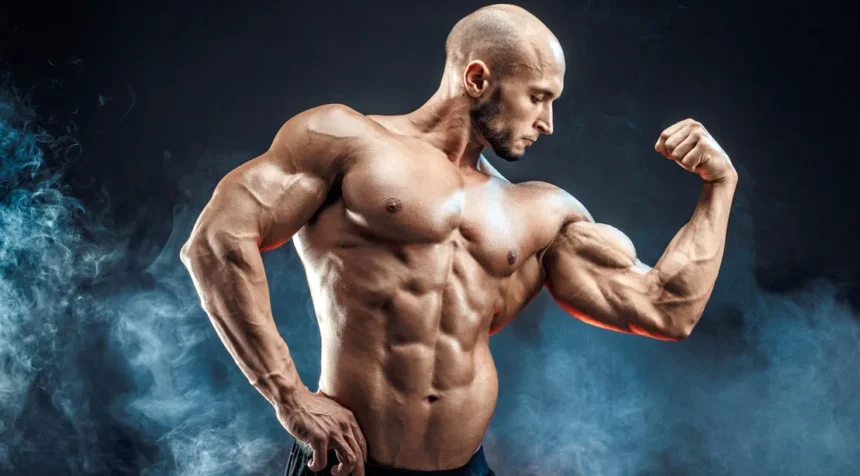
When you think about building an impressive upper body, bicep workouts often come to mind first. Your biceps are not just about looking good when you flex your arms. These powerful muscles help you lift, pull, and carry things in your everyday life. Whether you are picking up grocery bags, lifting your kids, or doing any pulling movement at the gym, your biceps play a vital role.
In this complete guide, we will walk you through everything you need to know about bicep workouts. You will learn about the muscles that make up your arms, the best exercises to grow bigger biceps, and how to create a workout plan that actually works. We have gathered the latest information from fitness experts and scientific research to help you get the best results possible.
Understanding Your Bicep Muscles
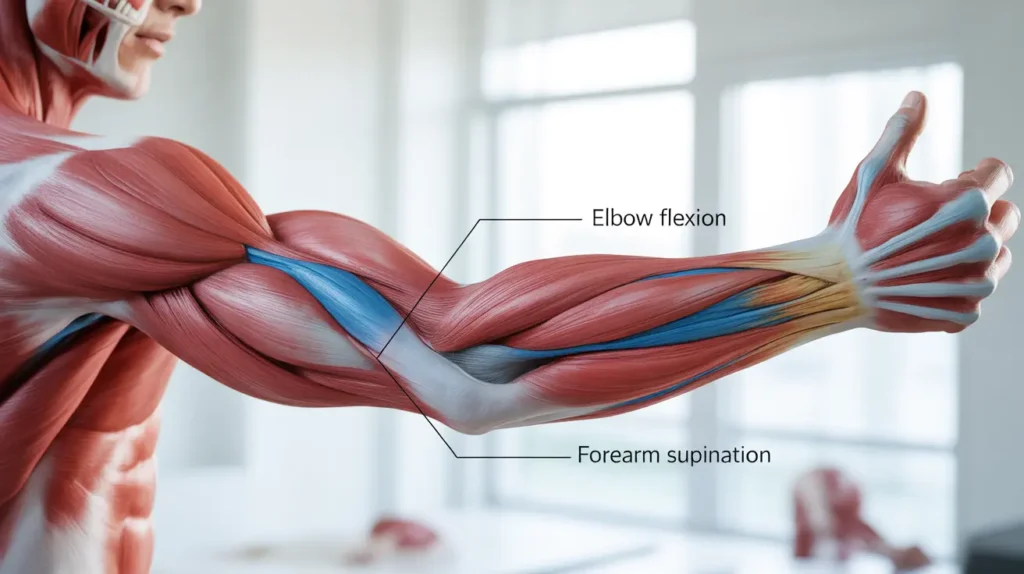
Before jumping into the exercises, it helps to understand what you are actually training. Your biceps are more complex than you might think. The biceps brachii, which is the official name for your bicep muscle, has two separate parts called heads. Each head has a different job and responds to different types of exercises.
The Long Head of Your Biceps
The long head sits on the outside of your arm and creates that peak when you flex. This is the part of your bicep that gives you that impressive bulge. When you do bicep workouts that stretch your arm behind your body, you are targeting this long head more effectively. Exercises like incline dumbbell curls work really well for building this part of your arm.
The Short Head of Your Biceps
The short head is located on the inside of your arm. While it does not create as much of a peak, it gives your arms width and thickness. Training both heads equally is important if you want well-rounded arm development. Most standard curling movements work this part naturally, but you can emphasize it by bringing your arms closer to your body during exercises.
The Brachialis Muscle
There is another important muscle hiding underneath your biceps called the brachialis. Even though it is not technically part of your biceps, this muscle is actually responsible for about fifty percent of your arm flexing strength. When you build a strong brachialis, it pushes your biceps up and makes them look bigger. Hammer curls are one of the best ways to target this muscle.
Best Bicep Workouts for Muscle Growth
Now that you understand the anatomy, let us explore the most effective bicep exercises you can do. Research has shown that some exercises work better than others for building size and strength. The key is choosing movements that target all parts of your biceps and the surrounding muscles.
Concentration Curls
Multiple studies have found that concentration curls are one of the most effective bicep exercises you can do. This movement isolates your biceps better than almost any other exercise. When you do concentration curls, you eliminate momentum and force your biceps to do all the work.
To perform this exercise correctly, sit on a bench with your legs spread apart. Hold a dumbbell in one hand and rest your elbow on the inside of your thigh. Slowly curl the weight up toward your shoulder while keeping your upper arm completely still. Focus on squeezing your bicep at the top of the movement before lowering the weight back down with control.
This exercise is perfect for the end of your workout when you want to really burn out your biceps. Use a lighter weight than you would for other curls because the isolation makes it much harder. Aim for ten to fifteen repetitions per arm for three to four sets.
Incline Dumbbell Curls
If you want to build that impressive bicep peak, incline dumbbell curls should be a regular part of your arm training. This exercise puts your arms behind your body, which stretches the long head of your biceps. This stretch position allows you to work the muscle through a longer range of motion.
Set an adjustable bench to about forty-five degrees. Lie back on the bench with a dumbbell in each hand, letting your arms hang straight down. Keep your shoulders pulled back against the bench and curl the weights up toward your shoulders. The key is to keep your elbows in the same position throughout the entire movement.
Research shows that exercises with this kind of stretch are particularly good for building muscle. You might find that you need to use slightly lighter weights for incline curls compared to standing curls, and that is completely normal. Quality movement is more important than the amount of weight you lift.
Hammer Curls
Hammer curls change the game by targeting not just your biceps but also your brachialis and forearm muscles. Instead of holding the dumbbells with your palms facing up, you keep them in a neutral position, like you are holding a hammer. This simple change in grip shifts the focus to different muscles.
Stand with feet shoulder width apart, holding dumbbells at your sides with palms facing each other. Curl the weights up toward your shoulders while keeping your palms in that neutral position throughout the movement. Your elbows should stay close to your body, and you should avoid swinging or using momentum.
Because hammer curls work more muscles at once, you can typically handle heavier weight compared to regular curls. This makes them excellent for building overall arm size and strength. Include them in your routine two to three times per week for the best results.
Barbell Curls
The classic barbell curl remains one of the most popular and effective bicep exercises for good reason. Using a barbell allows you to lift more total weight than you can with dumbbells, which is great for building strength and size. The weight distribution on a barbell makes it easier to handle heavier loads.
Stand with feet shoulder width apart, holding a barbell with an underhand grip slightly wider than your shoulders. Keep your elbows close to your sides and curl the bar up toward your chest. Focus on moving only your forearms while keeping your upper arms completely still. Lower the bar back down with control, taking about three seconds for the lowering phase.
One common mistake people make with barbell curls is using their hips or back to swing the weight up. This reduces the work your biceps do and can lead to injury. If you find yourself needing to swing the weight, it is too heavy. Drop the weight and focus on perfect form instead.
Cable Curls
Cable machines offer a unique advantage for bicep training because they keep constant tension on your muscles throughout the entire movement. Unlike free weights, where the tension varies at different points in the exercise, cables provide steady resistance from start to finish.
Stand facing a cable machine with a straight bar or rope attachment connected to the low pulley. Grab the handle with an underhand grip, arms extended down. Curl the handle up toward your shoulders while keeping your elbows in place. The constant tension from the cable makes your biceps work harder, especially at the top of the movement where free weights tend to get easier.
Cable curls are excellent for finishing your bicep workout because they allow you to really pump blood into the muscle. The continuous tension creates a strong muscle pump, which research suggests may help with muscle growth.
Looking for more expert fitness advice and workout routines? Visit MensBuddy for comprehensive guides on building muscle, improving your health, and reaching your fitness goals. We cover everything from nutrition tips to complete training programs designed specifically for men who want real results.
How to Structure Your Bicep Training
Having great exercises is only part of the equation. You also need to know how to put them together into an effective workout plan. The right structure makes a huge difference in your results.
Training Frequency
Your biceps are relatively small muscles, so they recover faster than larger muscle groups like your back or legs. Most people see the best results training biceps two to three times per week. This gives your muscles enough stimulation to grow while allowing adequate recovery time between sessions.
If you are just starting out, begin with two bicep sessions per week. As you get stronger and more experienced, you can increase to three times weekly if your recovery allows it. Remember that your biceps also get worked when you do back exercises like rows and pulldowns, so factor that into your total weekly arm training.
Sets and Repetitions
For building muscle size, research shows that eight to twelve repetitions per set works best for most people. This rep range provides a good balance between lifting heavy enough to challenge your muscles and doing enough total work to stimulate growth.
Aim for three to four sets of each exercise you choose. If you are doing a complete arm workout, pick two to four different bicep exercises. More exercises does not always mean better results. Quality matters more than quantity, so focus on doing each set with excellent form and full effort.
Rest Between Sets
Taking proper rest between sets is crucial for maximizing your workout effectiveness. When you are lifting heavier weights for lower reps, rest for two to three minutes between sets. This allows your muscles to recover enough strength for your next set.
For lighter weights and higher reps, you can reduce rest time to sixty to ninety seconds. Shorter rest periods increase the metabolic stress on your muscles, which some research suggests may contribute to muscle growth. Listen to your body and adjust rest times based on how you feel.
Common Mistakes to Avoid
Even with the best exercises and workout structure, poor technique can limit your results and increase injury risk. Here are the most common mistakes people make with bicep workouts and how to avoid them.
Using Too Much Weight
The biggest mistake in bicep training is using weights that are too heavy. When the weight is too heavy, you end up swinging your body, using your back, or cutting the range of motion short. All of these compensations reduce the work your biceps do.
Choose a weight that allows you to complete all your reps with perfect form while still feeling challenged on the last few repetitions. If you cannot curl the weight without swinging or jerking, it is too heavy. Your ego might want to lift more, but your biceps will grow better with appropriate weights and good form.
Not Controlling the Lowering Phase
Many people focus only on lifting the weight up and forget about the lowering phase. The eccentric portion of the movement, when you lower the weight back down, is actually just as important for building muscle as the lifting phase.
Take at least two to three seconds to lower the weight back to the starting position on every repetition. This controlled lowering creates more muscle damage in a good way, which triggers your body to build your muscles bigger and stronger.
Moving Your Elbows
Your elbows should stay in the same position throughout most bicep exercises. When your elbows swing forward or move around, your shoulders start doing some of the work instead of your biceps. Keep your elbows tucked close to your sides and only move your forearms during the curl.
Nutrition for Bicep Growth
Even the perfect bicep workout will not build muscle if you are not eating right. Your muscles need proper nutrition to recover and grow after your workouts. Protein is especially important because it provides the building blocks your body uses to repair and build muscle tissue.
Aim to eat about 1.6 to 2.2 grams of protein per kilogram of your body weight each day. Good protein sources include chicken, fish, eggs, lean beef, Greek yogurt, and protein powder. Spread your protein intake throughout the day rather than eating it all in one or two meals.
Carbohydrates are also important because they give you energy for your workouts and help with recovery. Do not be afraid of carbs if you are trying to build muscle. Include sources like rice, potatoes, oats, and fruits in your diet.
Frequently Asked Questions About Bicep Workouts
How long does it take to see results from bicep workouts?
Most people start noticing changes in their biceps after about four to six weeks of consistent training. You might feel your muscles getting stronger within two weeks, but visible size increases usually take a bit longer. Everyone responds differently based on genetics, nutrition, and training consistency. Stick with your program for at least eight weeks before making major changes.
Can I train biceps every day?
Training biceps every single day is not recommended. Your muscles grow during rest, not during the workout itself. When you train, you create tiny tears in your muscle fibers. Your body needs time to repair these tears and make the muscles stronger. Give your biceps at least one full day of rest between training sessions. Two to three times per week is optimal for most people.
Why are my biceps not growing despite regular training?
If your biceps are not growing, several factors might be at play. You might not be eating enough calories or protein to support muscle growth. You could be using weights that are too light and not challenging your muscles enough. Poor form or not training with enough intensity can also limit results. Finally, you might not be giving your muscles enough rest between workouts. Review your nutrition, form, intensity, and recovery to identify what needs adjustment.
Do I need to do different exercises for the bicep peak?
While you cannot change the shape of your bicep peak, which is determined by genetics, you can maximize its development through smart exercise selection. The long head of your biceps creates the peak appearance. Exercises like incline dumbbell curls, drag curls, and any movement that puts your arms behind your body will emphasize the long head. Include these exercises regularly in your routine for the best peak development.
Should I do biceps on the same day as back workouts?
Training biceps and back together on the same day is a popular and effective approach. Your biceps help with all pulling movements, so they are already partially worked during back exercises like rows and pulldowns. Adding focused bicep work after your back training allows you to finish them off completely. This pairing also gives your biceps more rest days throughout the week, which can improve recovery and growth.
What is better for biceps: dumbbells or barbells?
Both dumbbells and barbells have unique advantages for bicep training. Barbells let you lift heavier total weight, which is great for building overall strength and size. Dumbbells require more stability and allow each arm to work independently, which helps fix muscle imbalances. The best approach is using both types of equipment in your training program. Start your workout with barbell exercises for heavy work, then move to dumbbell exercises for more isolation and variety.
Final Thoughts on Building Bigger Biceps
Building impressive biceps takes time, consistency, and smart training. Focus on the exercises proven to work best, like concentration curls, incline dumbbell curls, and hammer curls. Use proper form on every repetition, choose appropriate weights, and train with genuine intensity.
Remember that your biceps are just one part of your overall arm development. Do not neglect your triceps, which make up more of your upper arm mass than your biceps. Include exercises for your forearms too, as they support your bicep training and improve your grip strength.
Be patient with your progress. Muscle growth does not happen overnight. Track your workouts, gradually increase the weights or reps over time, and make sure you are eating enough to support your training. With dedication and the right approach, you will build the strong, muscular arms you are working toward.
Ready to take your fitness journey to the next level? Explore more expert training guides, nutrition tips, and workout programs at MensBuddy. Whether you are building muscle, losing fat, or improving your overall health, we have the resources you need to succeed.