

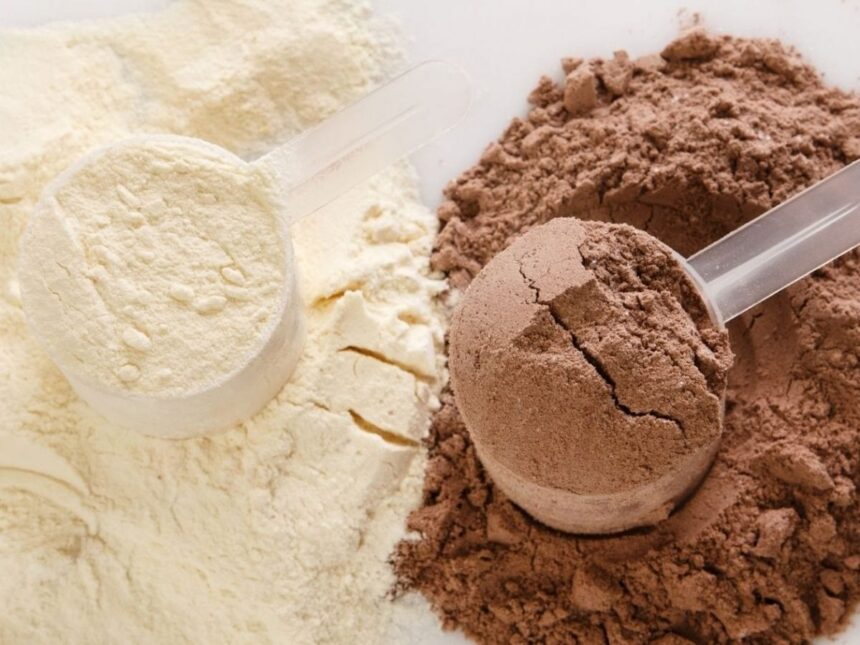
If you have been using protein powder to build muscle or stay healthy, you might wonder if that container sitting in your kitchen cabinet can go bad. The short answer is yes, protein powder can definitely go bad. Just like any other food product, protein supplements have a shelf life and can lose their quality over time.
Understanding when your protein powder expires and how to tell if it has gone bad is super important for your health and safety. Many fitness enthusiasts and regular gym-goers often ignore the expiration dates on their protein containers, thinking these supplements last forever. However, using expired protein powder can lead to digestive issues and may not give you the nutritional benefits you are looking for.
In this detailed guide, we will walk you through everything about protein powder expiration, how to identify bad protein powder, proper storage methods, and what happens when you consume expired supplements. Whether you are a beginner or someone who has been using protein supplements for years, this information will help you make better decisions about your nutrition.
Understanding Protein Powder Shelf Life
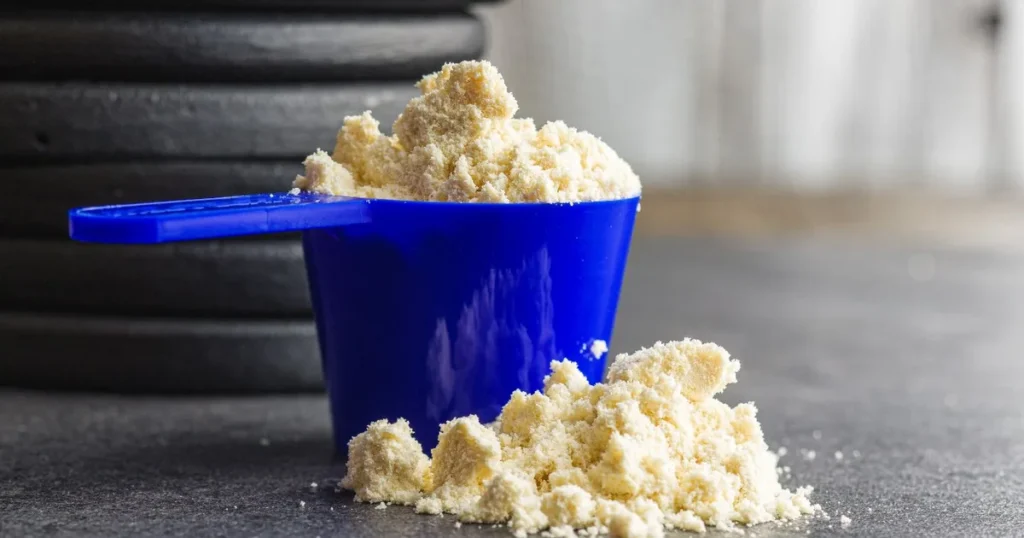
Protein powder shelf life varies depending on several factors including the type of protein, ingredients used, and how you store it. Most protein powders come with a best-by date or expiration date printed on the container. This date is not just a random number but a carefully calculated timeframe during which the manufacturer guarantees the product will maintain its quality and nutritional value.
Generally speaking, unopened protein powder can last anywhere from one to two years from the manufacturing date. Once you open the container and expose it to air, moisture, and other environmental factors, the countdown speeds up significantly. An opened container of protein powder typically stays fresh for about three to six months, though this can vary based on storage conditions.
The protein powder expiration timeline also depends on whether you are using whey protein, casein protein, plant-based protein, or egg white protein. Each type has different characteristics that affect how long it stays good. For example, whey protein concentrate might have a shorter shelf life compared to whey protein isolate because it contains more fat and lactose, which can go rancid faster.
How Long Does Protein Powder Last After Opening
Once you break the seal on your protein powder container, the clock starts ticking faster than you might think. Exposure to air introduces oxygen and moisture into the container, which can accelerate the breakdown of proteins and other nutrients. Even if you close the lid tightly after each use, some air still gets trapped inside.
Most manufacturers recommend using opened protein powder within three to six months for optimal quality. However, if you live in a humid climate or do not store your protein powder properly, this timeframe can be even shorter. The key is understanding that the expiration date on the container assumes the product remains unopened in ideal conditions.
Temperature plays a huge role in how long your opened protein powder stays fresh. If you keep it in a cool, dry place away from direct sunlight, it will last longer. On the other hand, storing it near your stove or in a bathroom cabinet where humidity levels are high can significantly reduce its shelf life.
Some people think freezing protein powder can extend its life indefinitely, but this is not entirely true. While freezing can slow down degradation, it can also introduce moisture problems when you take it out and the temperature changes. The condensation that forms can create clumps and potentially promote bacterial growth.
Clear Signs That Your Protein Powder Has Gone Bad
Knowing how to identify bad protein powder is crucial for your health and safety. Your senses are your best tools for detecting whether your protein supplement has expired or gone bad. There are several telltale signs you should watch out for before mixing your next shake.
The first and most obvious sign is a change in smell. Fresh protein powder usually has a mild, slightly sweet smell if it is flavored, or a neutral odor if it is unflavored. When protein powder goes bad, it develops a rancid, sour, or unpleasant smell that is hard to miss. If your protein powder smells off or weird compared to when you first opened it, that is a red flag.
Visual changes are another important indicator. Check for any discoloration in your protein powder. If you notice dark spots, unusual color changes, or any signs of mold growth, throw it away immediately. Mold can appear as green, black, or white fuzzy patches and is definitely not something you want to consume.
Texture changes also signal that your protein powder has gone bad. Fresh protein powder should be fine and powdery, flowing easily when you scoop it. If you notice hard clumps that do not break apart easily, excessive moisture, or a gritty texture, these are warning signs. While small clumps can sometimes form due to settling, large hard chunks often indicate moisture contamination.
Taste is your final checkpoint, though you should only taste a small amount if everything else seems fine. Expired protein powder often tastes bitter, sour, or just plain wrong. If your protein shake tastes different from usual or has an unpleasant aftertaste, stop drinking it right away.
What Happens If You Use Expired Protein Powder
Many people wonder what actually happens if they consume expired protein powder. The truth is, it depends on how long past the expiration date it is and how it was stored. In most cases, protein powder that is slightly past its expiration date might not harm you, but it probably will not provide the nutritional benefits you expect.
The main concern with expired protein powder is that the protein itself begins to break down over time. This process is called protein degradation, and it means the amino acids that make protein so valuable for muscle building and recovery become less effective. You might still get some protein from expired powder, but definitely not the amount listed on the label.
Beyond reduced nutritional value, expired protein powder can cause digestive problems. Some people experience stomach upset, bloating, gas, or even diarrhea after consuming old protein supplements. This happens because the ingredients have started breaking down and may harbor bacteria that can irritate your digestive system.
In rare cases, if protein powder has been contaminated with mold or harmful bacteria, it can lead to more serious health issues like food poisoning. Symptoms might include nausea, vomiting, fever, and severe stomach cramps. This is why it is so important to check your protein powder before using it, especially if it has been sitting around for a while.
The fat content in some protein powders can also go rancid over time. Rancid fats do not just taste bad, they can also produce harmful compounds that may contribute to inflammation in your body. While consuming small amounts of rancid protein powder once probably will not cause lasting damage, making it a habit is definitely not recommended.
Proper Storage Methods to Extend Protein Powder Shelf Life
Storing your protein powder correctly can make a huge difference in how long it stays fresh and effective. The good news is that proper storage is not complicated or expensive. You just need to follow a few simple guidelines to keep your protein powder in top condition.
The first rule of protein powder storage is keeping it in a cool, dry place. Your kitchen pantry or a cabinet away from heat sources works perfectly. Avoid storing protein powder near your stove, oven, or dishwasher where temperature and humidity fluctuate. Heat and moisture are the two biggest enemies of protein powder freshness.
Always keep your protein powder in its original container if possible. These containers are designed to protect the product from air and moisture. If you must transfer it to another container, make sure it is airtight and food-grade. Some people use large mason jars or special food storage containers with tight-sealing lids.
After each use, make sure you close the lid tightly. This seems obvious, but many people leave their protein powder containers partially open or do not seal them properly. Even small amounts of air exposure over time can affect quality. Some containers come with inner seals or scoops that help minimize air contact, use these features to your advantage.
Never use wet scoops or allow moisture to get into your protein powder container. If your hands are wet or you are near water, dry everything thoroughly before opening your protein powder. Even tiny amounts of moisture can cause clumping and create an environment where bacteria and mold can grow.
Consider using silica gel packets if you live in a particularly humid area. These small packets absorb excess moisture and can help keep your protein powder dry. You can find them in many packaged foods, or purchase them separately online. Just make sure they do not come in direct contact with your protein powder.
Does the Type of Protein Powder Matter for Expiration
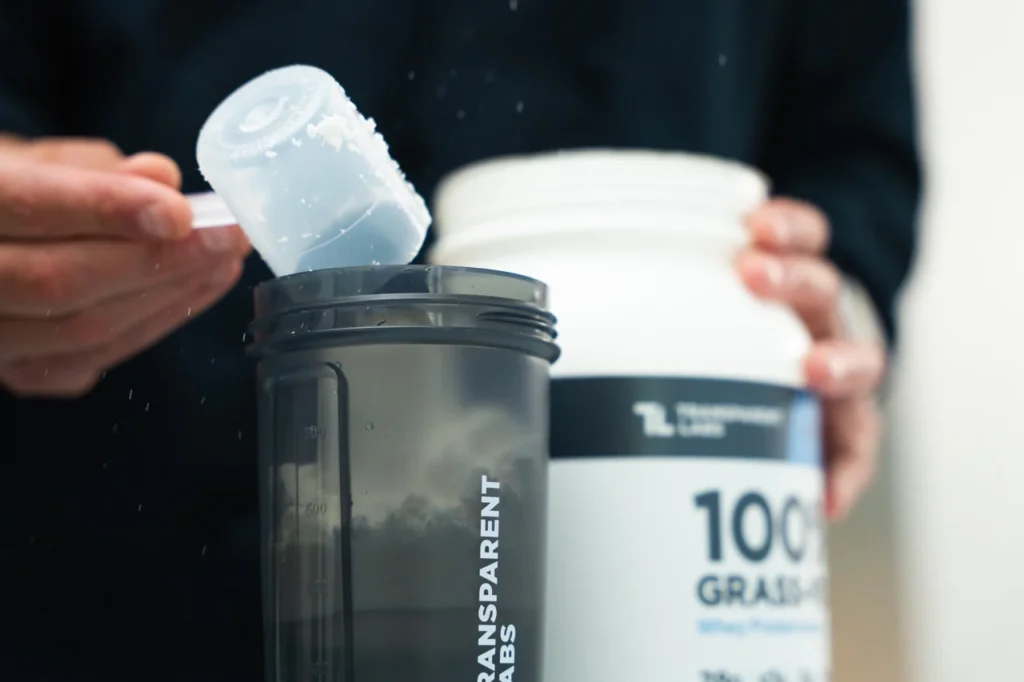
Not all protein powders are created equal when it comes to shelf life and expiration. The type of protein you choose can significantly impact how long it stays fresh and what signs of spoilage to watch for. Understanding these differences helps you make better purchasing decisions and storage choices.
Whey protein is one of the most popular types and typically has a shelf life of one to two years when unopened. Does whey protein expire? Absolutely, and because it is derived from milk, it can go bad faster than plant-based options if not stored properly. The lactose and fat content in whey protein can go rancid, creating that unpleasant smell and taste we talked about earlier.
Plant-based protein powders like pea protein, rice protein, or hemp protein often have a slightly longer shelf life compared to dairy-based options. This is because they contain less fat and no lactose, which means fewer components that can spoil quickly. However, they can still go bad, especially if exposed to moisture or stored improperly.
Casein protein, another milk-derived protein, has similar expiration characteristics to whey protein. It can last about one to two years unopened, but once opened, you should use it within a few months for best results. Casein tends to clump more easily than whey, so pay special attention to texture changes.
Egg white protein powder typically has a good shelf life and is less prone to going rancid since it contains minimal fat. However, it can still expire and lose its nutritional value over time. The protein can break down, and if moisture gets in, bacterial growth becomes a concern.
Protein blends that combine multiple protein sources may have varying shelf lives depending on their ingredients. Generally, the component that spoils fastest will determine the overall shelf life of the blend. Check the ingredient list and consider which proteins are included when estimating how long your blend will stay fresh.
Smart Tips for Buying and Using Protein Powder
Making smart choices when buying protein powder can help you avoid expired products and get the most value for your money. The first tip is always checking the manufacturing date and expiration date before purchasing. Some stores keep older inventory on shelves, so make sure you are getting a fresh product with plenty of time before it expires.
Buy protein powder in quantities that match your usage. If you only use one scoop per day, a huge five-pound container might go bad before you finish it. Smaller containers might cost slightly more per serving, but they ensure you are always using fresh product. Calculate how much you actually need based on your routine.
When you open a new container, write the opening date on the lid with a permanent marker. This simple trick helps you track how long the protein powder has been open, making it easier to decide when it is time to replace it. You can also set a reminder on your phone for three months later as a check-in point.
Rotate your protein powder supply if you keep multiple containers. Use the oldest one first to prevent any from sitting around too long. This first-in, first-out method is what grocery stores use and it works great for home storage too.
If you are trying a new brand or flavor, start with a smaller size first. This way, if you do not like it or it does not agree with your stomach, you have not invested in a large container that will go to waste. Plus, it gives you a chance to test the quality before committing to a bigger purchase.
Keep an eye on deals and sales, but be cautious about deeply discounted protein powder. Sometimes stores heavily discount products that are approaching their expiration date. While this can be a good deal if you plan to use it quickly, it is not worth it if the product will expire before you finish it.
Frequently Asked Questions About Protein Powder Expiration
Can I use protein powder past the expiration date?
You can technically use protein powder slightly past its expiration date if it shows no signs of spoilage like bad smell, mold, or unusual texture. However, the nutritional value decreases over time, and you may not get the full protein content listed on the label. If the powder is more than a few months past expiration, it is better to replace it for safety and effectiveness.
How can I tell if my protein powder has gone bad?
Check for these signs: a rancid or sour smell, visible mold or discoloration, hard clumps that do not break apart, unusual texture, or a bitter or off taste. If you notice any of these warning signs, do not consume the protein powder. Trust your senses, they are usually right when something seems wrong.
Does protein powder need to be refrigerated after opening?
No, protein powder does not need refrigeration and should actually be kept at room temperature. Refrigerators can introduce moisture through condensation, which can make your protein powder clump and potentially grow mold. Store it in a cool, dry pantry or cabinet instead.
What is the shelf life of unopened protein powder?
Unopened protein powder typically lasts one to two years from the manufacturing date when stored properly. The exact shelf life depends on the type of protein and the ingredients used. Always check the expiration date on the container for the most accurate information.
Can expired protein powder make you sick?
Yes, consuming expired protein powder can potentially make you sick, especially if it contains mold or harmful bacteria. Common symptoms include stomach upset, nausea, bloating, and diarrhea. In severe cases with significant contamination, you might experience food poisoning symptoms like vomiting and fever.
Does freezing protein powder extend its shelf life?
Freezing protein powder is not recommended. While it might slow degradation, the temperature changes can cause condensation and moisture problems when you remove it from the freezer. This moisture can lead to clumping and bacterial growth, actually reducing the quality of your protein powder.
How long does protein powder last after opening?
After opening, protein powder typically stays fresh for three to six months when stored properly in a cool, dry place with the lid tightly sealed. The exact timeframe depends on storage conditions, humidity levels, and the type of protein powder you are using.
Is it safe to use clumpy protein powder?
Small clumps that break apart easily are usually fine and just result from settling or minor humidity exposure. However, large hard clumps that do not break apart or feel moist indicate moisture contamination and possible bacterial growth. In these cases, it is safer to discard the protein powder.
Final Thoughts on Protein Powder Safety
Taking care of your protein powder and understanding when it has gone bad is an important part of your fitness and nutrition journey. While protein supplements are generally stable products with decent shelf lives, they are not invincible to time and improper storage. Paying attention to expiration dates, storage conditions, and signs of spoilage helps you get the most nutritional benefit from your supplements while keeping you safe.
Remember that protein powder is an investment in your health and fitness goals. Treating it with care by storing it properly and using it within recommended timeframes ensures you get what you pay for in terms of nutrition and results. When in doubt, it is always better to err on the side of caution and replace questionable protein powder rather than risk consuming something that might make you sick or provide no benefits.
For more expert advice on nutrition, fitness, and men’s health topics, explore the comprehensive guides and articles available at MensBuddy. We are committed to helping you make informed decisions about your health and wellness journey with reliable, practical information you can trust.
Stay healthy, stay informed, and always check your protein powder before mixing that post-workout shake. Your body will thank you for the extra care and attention to detail.