


President Donald Trump recently announced a new healthcare plan that could change how millions of Americans pay for their medical care. On January 15, 2026, the White House introduced what they call “The Great Healthcare Plan” to address rising costs and make healthcare more affordable for everyone. This plan comes at a time when many Americans are seeing their health insurance bills go up dramatically.
The announcement of the Trump healthcare plan has created a lot of discussion across the country. Some people are excited about the possibility of lower costs, while others worry about what these changes might mean for their current coverage. Understanding this plan is important because it could affect how you and your family access healthcare in the coming years.
What Is The Great Healthcare Plan
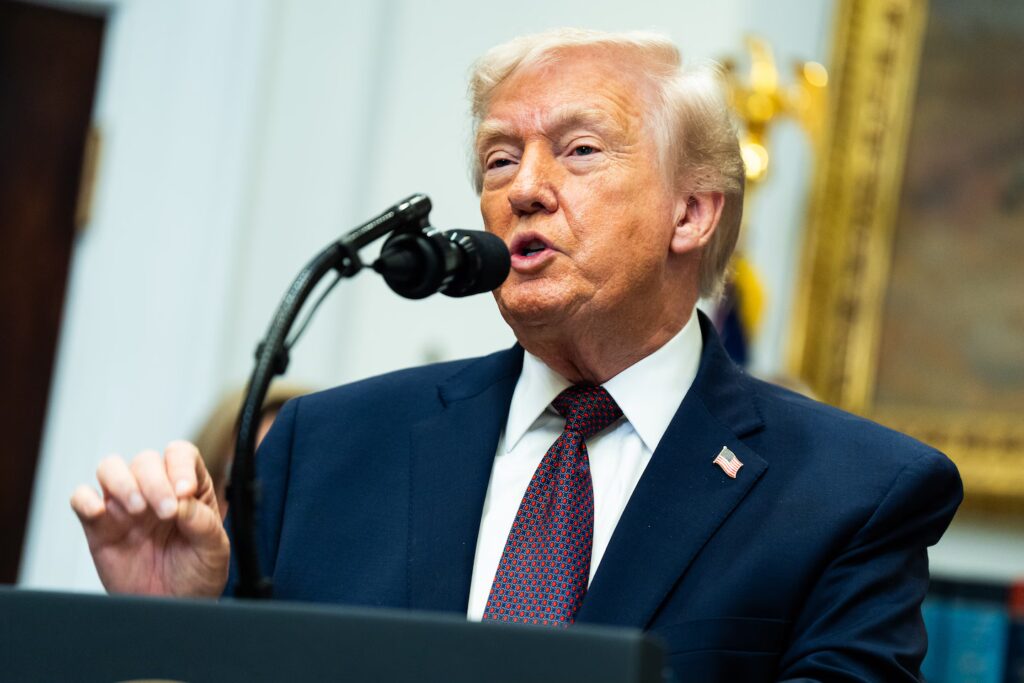
The Trump healthcare plan is a collection of ideas aimed at making healthcare cheaper and easier to understand. White House Press Secretary Karoline Leavitt stated that every American with health insurance will see lower costs under this plan. The proposal focuses on four main areas that the government believes will help reduce what people pay for medical care.
This plan does not completely replace existing programs like Medicare, Medicaid, or insurance from employers. Instead, it tries to fix specific problems that make healthcare expensive. The plan asks Congress to pass new laws that would change how drug companies set prices and how insurance companies work with customers.
Four Main Parts of the Healthcare Plan
Lowering Prescription Drug Prices
One of the biggest parts of the Trump healthcare plan deals with medicine costs. The plan wants to use something called Most Favored Nation pricing. This means Americans would pay the same low prices for drugs that people in other countries pay. Right now, Americans often pay much more for the same medicines than people in Canada or Europe.
President Trump has already signed deals with 16 major drug companies to lower their prices. These agreements aim to bring down costs by matching the lowest prices offered anywhere in the world. The White House claims that some drugs could cost 80 to 90 percent less under this system. A new website called TrumpRx.gov is supposed to sell medicines directly to consumers at these lower prices, though it was not yet active when the plan was announced.
The plan also wants to make more medicines available without a prescription. This would mean you could buy certain drugs over the counter at pharmacies without visiting a doctor first. Examples include stronger pain relievers and stomach ulcer medications. The idea is that if people can get common medicines without doctor visits, they will save both time and money.
Reducing Health Insurance Premiums
The second major focus is on insurance costs. Many Americans have seen their monthly insurance payments jump in 2026 because special tax credits expired at the end of 2025. According to health research groups, the average person’s insurance premium increased by 114 percent this year. That means someone who paid 888 dollars in 2025 now pays around 1,904 dollars in 2026.
The Trump healthcare plan proposes sending money directly to Americans instead of giving it to insurance companies. This approach uses health savings accounts where the government deposits funds that people can use to buy their own insurance. The White House believes this gives people more control over their healthcare choices and puts pressure on insurance companies to offer better deals.
The plan also includes funding for cost sharing reductions on Affordable Care Act plans. These payments help lower the monthly costs for people who buy mid-level silver insurance plans. Experts say this could reduce premiums for the most common Obamacare plans by more than 10 percent. However, some worry that while silver plan costs might go down, bronze and gold plan costs could actually increase.
Making Insurance Companies More Accountable
The third part of the plan focuses on making insurance companies easier to understand. Right now, many people find health insurance confusing with complicated terms and hidden costs. The Great Healthcare Plan requires insurance companies to post information in plain English on their websites. This includes how much profit they make, how often they deny claims, and how long people wait for care.
The plan also wants to end certain payments between pharmacy benefit managers and insurance brokers. These payments, often called kickbacks, can make insurance more expensive without people knowing about it. By stopping these hidden fees, the Trump healthcare plan aims to show the true cost of insurance and create honest competition between companies.
Increasing Price Transparency
The fourth pillar of the plan deals with knowing costs before you get medical care. The Trump healthcare plan requires all hospitals and doctors who accept Medicare or Medicaid to clearly display their prices. This means you could look up how much a procedure costs before scheduling it, just like you check prices before buying a car or appliance.
Price transparency tools would let people compare costs at different hospitals or clinics. The plan strengthens rules that insurance companies must follow when showing price information online, by phone, or in printed materials. This builds on efforts from Trump’s first term to make healthcare pricing more open and honest.
The Direct Payment Approach
One of the most talked about parts of the Trump healthcare plan is the idea of direct payments. Instead of the government sending money to insurance companies as subsidies, they would send it straight to you. President Trump explained in a video that the money goes to you first, and then you buy your own healthcare coverage.
This approach uses health savings accounts that have been around for years. Currently, wealthy Americans use these accounts most often because they have extra money to put in them and want to lower their taxes. Critics worry that giving everyone a set amount of money might not be enough to cover actual insurance costs, especially for older people or those with health problems.
The White House has not shared details about how much money people would receive or who would qualify. Some Republican senators floated similar ideas last year, but Democrats rejected them. They argued that direct payments work better for healthy young people who need less care, but not for families dealing with serious illnesses or chronic conditions.
Why This Plan Matters Now
The timing of the Trump healthcare plan is important because millions of Americans are struggling with higher costs right now. Enhanced tax credits that helped people afford Affordable Care Act insurance ended on December 31, 2025. Without these credits, a 60 year old person earning about 63,000 dollars a year now pays the full premium of roughly 15,000 dollars instead of getting 7,300 dollars in help.
Health experts predict that between 4 and 5 million Americans might drop their insurance in 2026 because of these higher costs. When healthy young people leave the insurance market, it becomes more expensive for older and sicker people who stay. This creates a cycle where costs keep going up for those who need coverage most.
Congress is currently debating whether to bring back the enhanced subsidies. A group of senators from both parties is trying to find a compromise, but Republicans are divided on the issue. Some want to help people afford insurance, while others prefer the direct payment approach that Trump supports. Just like maintaining your physical health requires attention and care as discussed on Men’s Buddy, navigating these healthcare changes demands staying informed and proactive.
What Healthcare Experts Say
Reactions to the Trump healthcare plan are mixed. Some experts praise efforts to lower drug prices and increase transparency. They believe that if Americans can see what things cost and compare prices, competition will naturally bring costs down. The Most Favored Nation pricing approach could save billions if it works as promised.
However, other experts express concerns. They point out that the plan lacks specific details about important questions. How much money would people receive in their health savings accounts? Would it be enough to buy decent insurance? What happens to people with expensive medical conditions who cannot afford higher premiums?
Health policy researchers note that similar direct payment ideas have been tried in limited ways before. The results show that while some people benefit, others end up paying more out of pocket. The success depends heavily on how much money the government provides and whether insurance companies compete fairly for customers.
Dr. Mehmet Oz, who runs the Centers for Medicare and Medicaid Services, called the plan a framework to help Congress create new laws. This suggests the current proposal is more of a starting point for discussion rather than a finished plan ready to become law.
Impact on Different Americans
The Trump healthcare plan would affect various groups of Americans differently. Young healthy people might benefit from direct payments if they receive enough money to buy basic coverage. They typically need less medical care and might appreciate the flexibility to choose cheaper plans.
Older Americans and people with chronic health conditions face more uncertainty. Their insurance costs significantly more because they use more healthcare services. If the direct payments do not cover their higher premiums, they could end up paying much more than before. Some might even lose coverage if they cannot afford the difference.
Self employed workers, small business owners, and farmers who buy insurance through the Affordable Care Act marketplaces are watching this plan closely. Many of these Americans saw their premiums double in 2026 when the enhanced subsidies expired. They need solutions quickly, and the Trump healthcare plan promises to help, though the details remain unclear.
Rural Americans might see benefits from the increased price transparency and efforts to expand rural healthcare funding. The plan works alongside recent investments in rural hospitals and clinics, though some experts say these investments are not enough to solve all rural healthcare problems.
Next Steps and Congressional Action
For the Trump healthcare plan to become reality, Congress must pass new laws. The White House has shared its ideas with Republican lawmakers, but no specific bills have been introduced yet. Senate and House members are still debating what approach to take on healthcare, especially regarding the expired subsidies.
Some Republicans support the plan’s goals but worry about the costs. Others want to see more details before committing to support it. Democrats generally oppose the direct payment approach and push for extending the enhanced subsidies that just expired. This political division makes it unclear when or if the plan will move forward.
A House vote on extending the enhanced subsidies for three years is expected soon. If that passes, it could reduce the urgency around Trump’s plan or make it harder to build support for a completely different approach. The coming weeks will show whether lawmakers can find common ground or if the debate continues without resolution.
What You Can Do Right Now
While politicians debate the Trump healthcare plan, Americans facing higher insurance costs need to take action. If you buy insurance through the healthcare marketplace, review your options carefully during open enrollment. Compare different plans and see if switching could save you money even with the higher premiums.
Look into whether you qualify for any remaining subsidies or state programs that help with insurance costs. Some states offer additional assistance beyond federal programs. Contact your insurance company or use online calculators to estimate your actual costs under different scenarios.
Consider setting aside money in a health savings account if your current plan allows it. These accounts let you save pre tax dollars for medical expenses, which can help offset higher costs. Even small amounts saved each month add up over time and give you a financial cushion for unexpected medical bills.
Stay informed about healthcare policy changes by following reliable news sources. Understanding how proposed changes might affect your situation helps you plan ahead and make better decisions about your coverage. Taking care of your health becomes easier when you understand both the medical and financial aspects of the healthcare system.
Frequently Asked Questions About Trump Healthcare Plan
When will the Trump healthcare plan start
The Trump healthcare plan was announced in January 2026, but it is not yet law. Congress must pass legislation to implement most parts of the plan. Some elements like drug pricing deals are already happening, while others like direct payments need Congressional approval. The timeline depends on how quickly lawmakers can agree on the details and pass new laws.
How much money would I receive under the direct payment system
The White House has not announced specific amounts for direct payments. The plan proposes sending money to Americans for health savings accounts, but the actual dollar amounts remain unclear. This is one of the biggest questions people have about the plan. The amount would likely depend on your income, age, and family size, but these details need to be worked out by Congress.
Will the Trump healthcare plan lower my prescription drug costs
The plan aims to reduce drug costs through Most Favored Nation pricing and direct sales through TrumpRx.gov. Some medicines could become significantly cheaper if drugmakers continue signing agreements to match international prices. However, not all drugs will be affected immediately. The actual savings you see will depend on which medications you take and whether they are included in the negotiated deals.
What happens to my current health insurance
If you get insurance through your employer, Medicare, or Medicaid, the Trump healthcare plan does not directly change your coverage. The plan mainly affects people who buy insurance through Affordable Care Act marketplaces. Even for marketplace customers, changes would only happen if Congress passes new laws implementing the plan. Until then, current rules remain in effect.
Is the Trump healthcare plan better than Obamacare
Whether the plan is better depends on your personal situation and priorities. Some people might benefit from lower drug prices and more insurance choices through direct payments. Others might struggle if the payments do not cover their full insurance costs. The plan does not completely replace the Affordable Care Act but tries to modify how it works. Most experts say we need more details before making fair comparisons.
How does Most Favored Nation pricing work
Most Favored Nation pricing means American drug prices match the lowest prices paid by similar developed countries. If Canada pays 50 dollars for a medicine and Germany pays 60 dollars, Americans would pay 50 dollars under this system. The Trump administration has negotiated deals with pharmaceutical companies to implement this approach. Critics worry it might reduce funding for new drug research, while supporters say it finally gives Americans fair prices.
Why did my insurance premium double in 2026
Your premium likely doubled because enhanced tax credits expired on December 31, 2025. These credits had been helping millions of Americans afford Affordable Care Act insurance since 2021. Without them, people now pay a much larger share of their premiums. The Trump healthcare plan tries to address this problem, but until new solutions pass Congress, the higher premiums remain.
Can I still get help paying for health insurance
Yes, regular premium tax credits still exist even though enhanced credits expired. These original subsidies help lower income Americans afford insurance, though they provide less assistance than the enhanced version. Check with Healthcare.gov or your state marketplace to see what help you qualify for. Some states also offer additional programs to help residents afford coverage.
Looking Ahead
The Trump healthcare plan represents a significant shift in how America might approach healthcare costs and coverage. Whether you support or oppose the ideas, the plan has started important conversations about making healthcare more affordable and transparent. The coming months will reveal whether these proposals become law or remain political talking points.
For now, Americans must navigate the current system with its higher costs and uncertainty. Staying informed about policy changes and understanding your insurance options remains crucial. Just as taking care of your physical health requires ongoing attention, managing your healthcare coverage and costs demands active engagement and planning.
The debate over healthcare reform continues to evolve, and new developments emerge regularly. Keeping track of these changes through trusted sources helps you make the best decisions for yourself and your family. Visit Men’s Buddy regularly for updates on health topics and wellness strategies that support your overall wellbeing during these changing times.