
Building a strong upper body requires more than just push-ups and bench presses. Pull exercises upper body workouts are essential for creating a balanced, powerful physique that looks great and performs even better. Whether you are just starting your fitness journey or looking to improve your current routine, understanding pull exercises can make a huge difference in your results.
Pull exercises target the muscles on the back side of your upper body, including your back, rear shoulders, and biceps. These movements are crucial for good posture, preventing injuries, and creating that athletic V-shaped torso that many men desire. In this complete guide, we will explore everything you need to know about upper body pull exercises and how to incorporate them into your workout routine effectively.
What Are Pull Exercises for Upper Body

Pull exercises upper body workouts involve movements where you pull weight toward your body. Think about the motion of opening a door, starting a lawnmower, or climbing a rope. These are all pulling motions that engage similar muscle groups.
When you perform pull exercises, you are primarily working your back muscles, including the latissimus dorsi (lats), rhomboids, trapezius, and rear deltoids. Your biceps also get a significant workout during most pulling movements, making these exercises incredibly efficient for building upper body strength.
The beauty of pull exercises lies in their functional nature. These movements mirror real-life activities, making you stronger for everyday tasks. From carrying groceries to playing sports, a strong pulling capacity improves your quality of life in countless ways.
Why Pull Exercises Matter for Your Upper Body
Many people focus heavily on push exercises like bench presses and shoulder presses, but neglecting pull exercises creates muscle imbalances that can lead to poor posture and injuries. When your chest and front shoulders are much stronger than your back, your shoulders tend to round forward, creating that hunched appearance that nobody wants.
Pull exercises help counteract this by strengthening the muscles that pull your shoulders back and down. This creates better posture, reduces shoulder and neck pain, and gives you a more confident appearance. Your back muscles are also some of the largest in your body, so training them effectively burns more calories and helps build overall muscle mass.
Additionally, a strong back supports almost every other exercise you do. Whether you are squatting, deadlifting, or doing overhead presses, your back muscles provide stability and power. Investing time in pull exercises upper body training pays dividends across your entire fitness routine.
Best Pull Exercises Upper Body Workouts
Pull-Ups and Chin-Ups
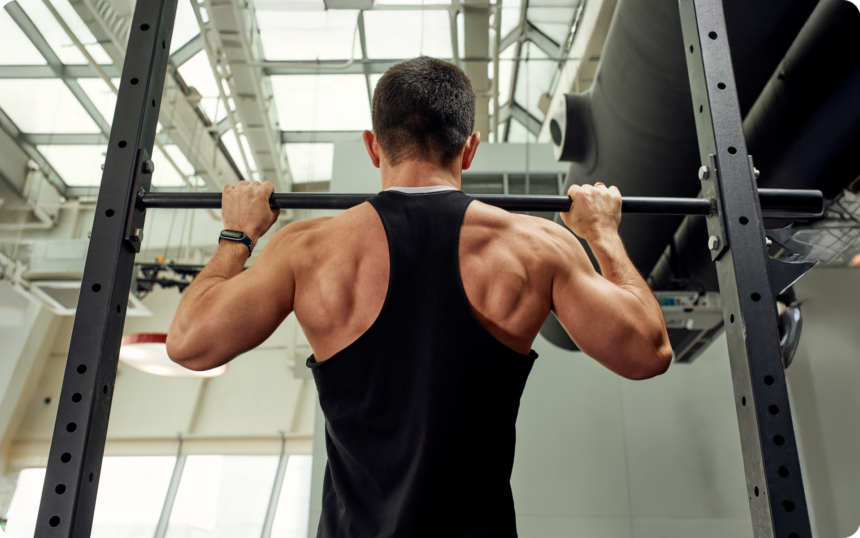
Pull-ups are often considered the king of upper body pull exercises, and for good reason. This movement requires you to pull your entire body weight up to a bar, engaging nearly every muscle in your back and arms. Pull-ups with palms facing away emphasize your lats and overall back width, while chin-ups with palms facing toward you place more emphasis on your biceps.
If you cannot do a full pull-up yet, do not worry. Many strong athletes started with assisted pull-ups using resistance bands or a machine. You can also practice negative pull-ups, where you jump to the top position and slowly lower yourself down. With consistent practice, you will build the strength needed for unassisted pull-ups.
Barbell Rows
Barbell rows are a fundamental exercise for building back thickness and overall pulling strength. By hinging at the hips and pulling the barbell toward your lower chest or upper abdomen, you target your lats, rhomboids, and middle back muscles. This exercise also strengthens your lower back and core as they work to maintain your bent-over position.
The key to effective barbell rows is maintaining a neutral spine throughout the movement. Keep your core tight, chest up, and avoid rounding your back. Start with a lighter weight to master the form before progressing to heavier loads.
Dumbbell Rows
Dumbbell rows offer several advantages over barbell rows. By working one side at a time, you can address muscle imbalances and achieve a greater range of motion. Single-arm dumbbell rows, performed with one hand and knee on a bench, allow you to focus intensely on each side of your back.
This exercise is particularly effective for building the thickness of your lats and middle back. The unilateral nature also engages your core more as it works to prevent rotation. Most people find dumbbell rows easier to learn than barbell rows, making them an excellent choice for beginners.
Lat Pulldowns
Lat pulldowns are perfect for those working toward their first pull-up or for adding extra volume after pull-ups. This machine-based exercise allows you to adjust the weight precisely, making it suitable for all fitness levels. By pulling the bar down to your upper chest while keeping your torso upright, you primarily target your latissimus dorsi muscles.
Different grip widths and attachments can emphasize different parts of your back. A wide grip focuses more on lat width, while a closer grip engages your middle back and biceps more. Experiment with various grips to find what works best for your goals and body structure.
Cable Rows
Cable rows provide constant tension throughout the entire range of motion, making them excellent for muscle growth. Whether using a V-bar, straight bar, or rope attachment, seated cable rows allow you to pull heavy weight safely while maintaining good form. This exercise builds overall back thickness and strengthens your grip.
Focus on pulling your shoulder blades together at the end of each rep rather than just bending your arms. This ensures you are truly working your back muscles instead of relying too much on your biceps. Cable rows also offer incredible variety, so you can adjust angles and attachments to target different areas of your back.
Face Pulls
Face pulls might look simple, but they are incredibly important for shoulder health and upper back development. Using a rope attachment on a cable machine, you pull the rope toward your face while keeping your elbows high. This movement targets your rear deltoids, upper back, and the small rotator cuff muscles that stabilize your shoulders.
Many people skip face pulls, but including them in your pull exercises upper body routine can prevent shoulder injuries and improve posture. They are also fantastic for balancing out all the pressing exercises that work your front shoulders. Aim for higher reps with moderate weight to really feel these muscles working.
Creating Your Pull Workout Routine
A well-designed upper body pull workout should include both vertical pulling exercises like pull-ups and lat pulldowns, and horizontal pulling exercises like rows. This ensures you develop your back from all angles, creating a complete, balanced physique.
For beginners, starting with two to three pull exercises per session is sufficient. You might do lat pulldowns, dumbbell rows, and face pulls. As you get stronger and more experienced, you can add more exercises and volume. Intermediate and advanced lifters often perform four to six different pull exercises in a single workout.
Training frequency also matters. Most people benefit from training pull exercises two to three times per week. This provides enough stimulus for growth while allowing adequate recovery time. You can dedicate an entire day to pull exercises, or split them up throughout the week depending on your schedule and training style.
Common Mistakes to Avoid
One of the biggest mistakes people make with pull exercises upper body training is using too much momentum. Swinging and jerking the weight might allow you to move heavier loads, but it reduces the effectiveness of the exercise and increases injury risk. Focus on controlled movements with a full range of motion instead.
Another common error is relying too heavily on arm strength rather than engaging the back muscles properly. Before pulling, think about initiating the movement by squeezing your shoulder blades together. This mental cue helps ensure your back does most of the work rather than your biceps.
Many people also neglect progressive overload. To continue building strength and muscle, you need to gradually increase the difficulty over time. This could mean adding weight, performing more reps, doing an extra set, or slowing down the tempo. Keep a training log to track your progress and ensure you are consistently challenging yourself.
Tips for Better Pull Exercise Performance
Grip strength often becomes a limiting factor in pull exercises before your back muscles are fully fatigued. If your forearms give out before your back, consider using lifting straps for your heaviest sets. This allows you to push your back muscles harder without being limited by grip strength. However, also include some sets without straps to continue developing your grip.
Warming up properly makes a significant difference in your performance and injury prevention. Before heavy pulling, spend five to ten minutes doing light cardio, dynamic stretches, and a few warm-up sets with lighter weights. This increases blood flow to your muscles and prepares your joints for the work ahead.
Mind-muscle connection is particularly important for back training. Since you cannot see your back muscles working, it takes practice to really feel them contracting. Before each set, take a moment to visualize the target muscles working. During the exercise, focus on squeezing and contracting rather than just moving weight from point A to point B.
Nutrition and Recovery for Muscle Growth

No matter how hard you train, you will not build muscle without proper nutrition. Your muscles need protein to repair and grow stronger after workouts. Aim for about 0.8 to 1 gram of protein per pound of body weight daily, spread across multiple meals. Good protein sources include chicken, fish, beef, eggs, and dairy products.
Carbohydrates provide the energy you need for intense workouts, while healthy fats support hormone production and overall health. Do not fall into the trap of extreme diets that eliminate entire food groups. A balanced approach with adequate calories supports both performance and recovery.
Sleep is when most muscle growth actually happens. During deep sleep, your body releases growth hormone and repairs damaged muscle tissue. Aim for seven to nine hours of quality sleep each night. If you are training hard but not seeing results, poor sleep might be the hidden culprit.
Frequently Asked Questions
How often should I do pull exercises for upper body
Most people get the best results training pull exercises two to three times per week. This frequency provides enough stimulus for muscle growth while allowing adequate recovery time between sessions. Beginners might start with twice weekly, while more advanced lifters can handle three sessions or more. Listen to your body and ensure you are fully recovered before training the same muscles again.
Can I do pull exercises every day
Training pull exercises every day is not recommended for most people. Your muscles need time to recover and grow stronger after workouts. However, you could alternate between different types of pull exercises or focus on lighter, technique-focused sessions on some days. If you want to train more frequently, consider splitting your workouts so you are working different muscle groups each day.
What is better for beginners, pull-ups or lat pulldowns
For complete beginners, lat pulldowns are often the better starting point. They allow you to adjust the weight to match your current strength level and help you build the foundation needed for pull-ups. Once you can lat pulldown your body weight for several reps with good form, you are probably ready to attempt pull-ups. However, practicing negative pull-ups alongside lat pulldowns can speed up your progress.
How many pull exercises should I include in one workout
Beginners should start with two to three pull exercises per workout. This might include one vertical pull like lat pulldowns, one horizontal pull like dumbbell rows, and one smaller movement like face pulls. As you become more experienced, you can add more exercises. Advanced lifters often perform four to six different pull exercises in a single session to fully develop their back from all angles.
Should I feel soreness in my back after pull exercises
Some muscle soreness after pull exercises is normal, especially when you are new to training or trying new exercises. However, soreness is not the best indicator of a good workout. You should feel tension and fatigue in your back muscles during the workout, and possibly some soreness in the following days. If you never feel your back working during exercises, you may need to focus more on your form and mind-muscle connection.
Can pull exercises fix my rounded shoulders
Yes, pull exercises upper body training can significantly improve rounded shoulders and poor posture. Strengthening your back muscles, particularly your rhomboids and rear deltoids, helps pull your shoulders back into proper alignment. Exercises like face pulls, rows, and band pull-aparts are especially effective. However, combining pull exercises with stretching tight chest muscles provides the best results for posture correction.
Start Your Pull Exercise Journey Today
Building a strong upper body through pull exercises is one of the most rewarding aspects of fitness training. Not only will you develop an impressive physique, but you will also improve your posture, reduce injury risk, and become stronger for everyday activities. The key is consistency and progressive improvement over time.
Start with the basics, master your form, and gradually increase the challenge as you get stronger. Remember that everyone starts somewhere, and even the strongest athletes once struggled with their first pull-up. Focus on making small improvements each week, and the results will come.
Ready to take your fitness to the next level? Visit Mens Buddy for more expert guides, workout plans, and tips to help you build the strong, healthy body you deserve. Your journey to a more powerful upper body starts today.