

Building strong hamstrings is one of the most important things you can do for your lower body health and athletic performance. Whether you are an athlete looking to improve your speed and power, or someone who simply wants to move better in daily life, understanding and practicing effective hamstring exercises can make a significant difference in your overall fitness journey.
The muscles at the back of your thighs play a crucial role in almost every movement you make. From walking up stairs to running after your kids, your hamstrings are constantly working to help you move through life. When these muscles are weak or tight, you might experience pain, reduced mobility, and an increased risk of injury. This guide will walk you through everything you need to know about hamstring training, including the best exercises, proper techniques, and how to incorporate them into your workout routine.
Understanding Your Hamstring Muscles
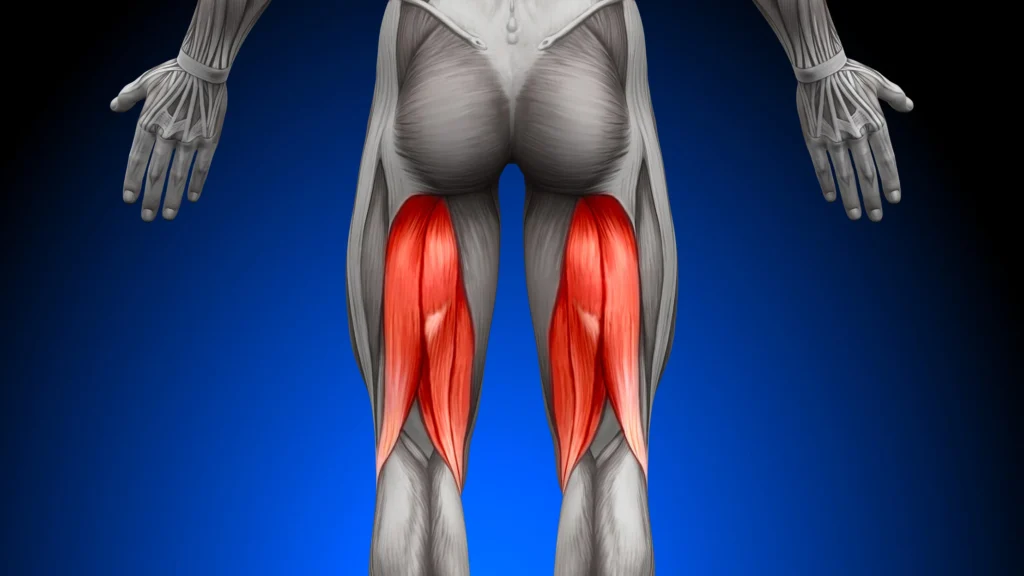
Before diving into specific hamstring exercises, it helps to understand what you are actually working. Your hamstrings are not just one muscle but a group of three separate muscles located on the back of your thigh. These muscles include the semimembranosus, semitendinosus, and biceps femoris. Each of these muscles works together to perform two primary functions in your body.
The first main function is knee flexion, which means bending your knee. Every time you walk, run, or climb stairs, your hamstrings are contracting to help bend your knees. The second important function is hip extension, which involves moving your thigh backward or pushing your hips forward. This movement is essential for activities like standing up from a chair, jumping, or sprinting. Because your hamstrings cross both the hip and knee joints, they are considered multi-joint muscles, making them incredibly important for overall leg strength and function.
Understanding how your hamstrings work can help you choose the right exercises and perform them more effectively. When you know which movements target these muscles, you can build a more balanced and comprehensive workout routine that your fitness goals.
Why Hamstring Exercises Matter for Your Health
Many people focus heavily on training their quadriceps and glutes while neglecting their hamstrings. This imbalance can lead to various problems over time. When your hamstrings are weak compared to your other leg muscles, you become more vulnerable to injuries, especially in your knees and lower back. Strong hamstrings help stabilize your knee joint and support proper movement patterns throughout your daily activities.
Regular hamstring strengthening exercises offer numerous benefits beyond just injury prevention. These exercises improve your overall leg power, which translates to better performance in sports and physical activities. Athletes often notice improvements in their running speed, jumping ability, and overall explosiveness when they dedicate time to hamstring training. Even if you are not an athlete, stronger hamstrings make everyday tasks easier, from carrying groceries to playing with your children.
Another important benefit of hamstring exercises is improved posture and reduced back pain. Because your hamstrings connect to your pelvis, tight or weak hamstrings can contribute to poor posture and lower back discomfort. By maintaining strong and flexible hamstrings, you support better alignment throughout your entire body. This connection between your hamstrings and overall body health makes these exercises an essential part of any well-rounded fitness program.
Best Hamstring Workouts for Building Strength
The most effective approach to hamstring training involves a combination of different exercise types. Some exercises focus on hip extension movements, while others emphasize knee flexion. Including both types in your routine ensures complete hamstring development and reduces the risk of muscle imbalances.
Romanian Deadlift
The Romanian deadlift stands out as one of the most effective hamstring exercises you can perform. This movement primarily targets hip extension while maintaining a slight bend in your knees throughout the exercise. To perform a Romanian deadlift, stand with your feet shoulder-width apart while holding a barbell or dumbbells in front of your thighs. Keep your knees slightly bent as you push your hips back, lowering the weight along the front of your legs until you feel a stretch in your hamstrings. The key is to maintain a flat back throughout the movement and focus on pushing your hips back rather than just bending forward.
This exercise is particularly valuable because it trains your hamstrings in a lengthened position, which research shows is highly effective for muscle growth and strength development. Many people find that Romanian deadlifts also help improve their flexibility and mobility in the hip area.
Glute Bridge
The glute bridge is an excellent exercise for beginners and experienced lifters alike. This movement trains your hamstrings through hip extension while you lie on your back with your knees bent and feet flat on the floor. By driving through your heels and lifting your hips toward the ceiling, you engage both your hamstrings and glutes simultaneously. The beauty of this exercise lies in its simplicity and effectiveness.
To get the most from glute bridges, focus on squeezing your hamstrings and glutes at the top of the movement. Hold this position for a second or two before lowering back down. As you get stronger, you can add weight by placing a barbell or dumbbell across your hips. This progression, known as a hip thrust when done with a bench, becomes one of the best hamstring muscles workout options available.
Single Leg Exercises
Training one leg at a time offers unique benefits for hamstring development. Single leg Romanian deadlifts challenge your balance while forcing each hamstring to work independently. This approach helps identify and correct any strength imbalances between your left and right leg. Stand on one leg while holding a weight in the opposite hand. Hinge forward at your hip, extending your free leg behind you for balance, then return to standing.
Another excellent single leg option is the Bulgarian split squat. While this exercise is often thought of as a quad movement, it significantly engages your hamstrings as well. Place one foot behind you on a bench or elevated surface, then lower into a lunge position. The hamstring of your front leg works hard to control the descent and power you back up to standing.
Hamstring Curl Variations
Hamstring curls directly target the knee flexion function of your hamstrings. You can perform these exercises using a machine at the gym, resistance bands at home, or even just your bodyweight. For a simple at-home version, lie face down and loop a resistance band around one ankle. Bend your knee to curl your heel toward your buttocks against the resistance of the band.
The standing hamstring curl is another accessible option that requires no equipment. Stand tall and simply bend one knee, bringing your heel toward your glute. This movement might seem simple, but when performed with control and focus, it effectively activates your hamstrings. Consider it a great option for hamstring injury exercises during rehabilitation or as part of a warm-up routine.
Essential Hamstring Stretch Exercises
Flexibility is just as important as strength when it comes to healthy hamstrings. Tight hamstrings can limit your range of motion and contribute to poor movement patterns. Incorporating regular stretching into your routine helps maintain muscle length and reduces the risk of strains. The good news is that many effective hamstring stretch exercises can be done anywhere, anytime.
One of the most effective stretches is the lying hamstring stretch with a towel or strap. Lie on your back and loop a towel around one foot. Keep your leg as straight as comfortable while gently pulling the towel to bring your leg toward your chest. You should feel a stretch along the back of your thigh without any sharp pain. Hold this position for 30 to 60 seconds, breathing deeply and relaxing into the stretch.
The standing hamstring stretch with a flat foot provides another excellent option. Place one foot on a low step or stool, keeping your foot flat. Hinge forward at your hips while maintaining a straight back until you feel a gentle stretch. This stretch works particularly well as part of a warm-up routine before exercise sessions or can be done throughout the day to maintain flexibility.
Dynamic stretches also play an important role in hamstring health. Leg swings, walking lunges with a reach, and gentle hamstring scoops help prepare your muscles for activity while improving mobility. These movements involve taking your joints through their full range of motion in a controlled manner, which helps increase blood flow and prepare your nervous system for exercise.
Creating Your Hamstring Training Program
Knowing the best exercises is only part of the equation. How you organize these movements into your routine makes a significant difference in your results. Most people benefit from training their hamstrings two to three times per week, allowing adequate rest between sessions for recovery and growth.
A well-rounded hamstring workout should include at least one hip-hinge exercise like Romanian deadlifts and one knee-flexion exercise like hamstring curls. Starting with compound movements that use multiple joints typically works best, as these exercises require more energy and coordination. Save isolation exercises for later in your workout when your muscles are already warm and fatigue is less likely to affect your form.
For beginners, focusing on bodyweight exercises and learning proper movement patterns should take priority over adding heavy weights. Exercises like glute bridges, bodyweight hamstring curls, and lunges provide an excellent foundation. As you develop strength and confidence, gradually add resistance through weights or bands. This progressive approach helps prevent injury while building sustainable strength over time.
Listen to your body and adjust your training intensity based on how you feel. Some muscle soreness after workouts is normal, especially when you first start training or try new exercises. However, sharp pain or discomfort that persists beyond a few days might indicate you need to reduce intensity or modify your exercises. Working with a qualified fitness professional can help ensure you are performing movements correctly and progressing safely.
Hamstring Rehab Exercises for Recovery

Hamstring injuries are unfortunately common, ranging from minor strains to more serious tears. If you experience a hamstring injury, proper rehabilitation is essential for full recovery and preventing re-injury. Hamstring rehab exercises typically follow a progressive approach, starting with gentle movements and gradually increasing in intensity as healing occurs.
In the early stages of recovery, isometric exercises that involve muscle contraction without movement can be helpful. The seated hamstring squeeze is a gentle starting point. Sit in a chair with one foot positioned near a chair leg. Press your heel back against the chair leg without actually moving your leg, holding this contraction for a few seconds. This type of exercise helps maintain muscle activation without placing excessive stress on healing tissues.
As recovery progresses, you can introduce controlled movements with limited range of motion. Gentle hamstring curls, whether standing or lying down, help restore function while minimizing risk. Focus on smooth, controlled movements rather than speed or resistance. The goal during this phase is to regain confidence in the muscle while allowing proper healing to continue.
Always consult with a healthcare professional or physical therapist after a significant hamstring injury. They can assess your specific situation and provide personalized guidance on appropriate exercises and progression timelines. Rushing back into intense training too quickly can lead to re-injury and prolonged recovery times.
Common Mistakes to Avoid
Even with the best intentions, many people make mistakes when training their hamstrings. One of the most common errors is using too much weight before mastering proper form. This approach not only reduces the effectiveness of the exercise but also significantly increases injury risk. Always prioritize good technique over lifting heavy weights, especially when learning new movements.
Another frequent mistake is neglecting the eccentric or lowering phase of exercises. The controlled lowering portion of movements like Romanian deadlifts provides tremendous benefit for hamstring development. Many people rush through this phase, missing out on valuable muscle-building stimulus. Focus on taking at least two to three seconds to lower the weight in a controlled manner.
Ignoring pain signals is perhaps the most dangerous mistake. While some muscle burn during exercise is normal and expected, sharp pain or discomfort that causes you to change your form is a warning sign. Stop the exercise and assess what is happening. Pushing through pain often leads to injury rather than progress.
Frequently Asked Questions
How often should I do hamstring exercises?
Training your hamstrings two to three times per week provides optimal results for most people. This frequency allows enough stimulus for strength development while providing adequate recovery time between sessions. If you are doing high-intensity hamstring workouts, you might benefit from slightly more rest between sessions. Listen to your body and adjust based on your recovery capacity and training goals.
Can I do hamstring exercises every day?
While light stretching and mobility work can be done daily, intense hamstring strengthening exercises should not be performed every single day. Your muscles need time to recover and rebuild after challenging workouts. Overtraining your hamstrings without proper rest can lead to fatigue, reduced performance, and increased injury risk. If you want to train daily, vary the intensity and focus on different muscle groups on different days.
What are the best hamstring exercises for beginners?
Beginners should start with fundamental movements that are easy to learn and execute safely. Glute bridges provide an excellent starting point because they are simple to perform and highly effective. Bodyweight lunges and standing hamstring curls also work well for those new to training. As you develop strength and confidence, you can progress to more challenging exercises like Romanian deadlifts with light weights.
How do I know if my hamstrings are weak?
Several signs might indicate weak hamstrings. If you have difficulty standing up from a seated position without using your hands, your hamstrings might need strengthening. Poor running form, knee pain, or lower back discomfort can also suggest hamstring weakness. Testing your strength through simple exercises like single-leg bridges or hamstring curls can help you assess your current level and identify areas needing improvement.
What should I do if I feel pain during hamstring exercises?
Sharp or unusual pain during exercise is not normal and should not be ignored. If you experience pain, stop the exercise immediately and assess the situation. Some muscle fatigue or mild discomfort is expected during challenging workouts, but pain that causes you to modify your form or feels sharp and localized needs attention. Consider reducing the weight or intensity, checking your form, or consulting with a healthcare professional if pain persists.
How long does it take to see results from hamstring training?
Most people begin noticing improvements in hamstring strength and function within four to six weeks of consistent training. Initial changes often include better muscle endurance and improved movement quality during exercises. Visible muscle development typically takes longer, usually becoming noticeable after eight to twelve weeks of regular training. Remember that everyone progresses at different rates based on factors like training history, genetics, and overall program design.
Take Action for Stronger Hamstrings Today
Building strong, healthy hamstrings does not happen by accident. It requires consistent effort, proper technique, and a well-designed training approach. The exercises and strategies outlined in this guide provide you with everything needed to develop powerful hamstrings that support your fitness goals and daily life activities.
Start by choosing two or three exercises from this guide that match your current fitness level. Practice these movements consistently, focusing on quality over quantity. As you develop strength and confidence, gradually progress to more challenging variations and add resistance. Remember that building strength is a journey, not a destination, and every workout brings you one step closer to your goals.
For more comprehensive workout programs and fitness guidance, explore the resources available at MensBuddy. Our platform offers detailed exercise instructions, training programs, and expert advice to support your fitness journey. Whether you are working on hamstring development or pursuing other fitness goals, having access to quality information and guidance makes all the difference in achieving lasting results.