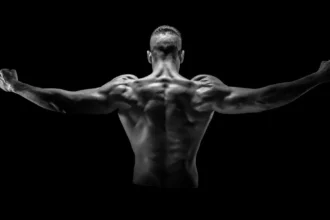

Building a strong and well-defined upper body requires targeting the right muscle groups together. A chest tricep workout is one of the most effective training methods because these muscles work as a team during pushing movements. When you press, push, or extend your arms, both your chest and triceps are actively involved. This natural partnership makes training them together not just convenient but also highly efficient for muscle growth and strength gains.
Many fitness enthusiasts and beginners often wonder why chest and tricep exercises are paired in the same session. The answer lies in understanding how these muscles function. Your chest muscles, specifically the pectoralis major and minor, are the primary movers during any pressing motion. Meanwhile, your triceps act as powerful supporting muscles that help you complete each repetition with full range of motion. Training them together creates a synergistic effect that maximizes your workout results while saving time at the gym.
At MensBuddy, we believe in providing practical and science-backed fitness guidance that helps you achieve your goals faster. Whether you are working out at home or hitting the gym regularly, this comprehensive guide will walk you through everything you need to know about creating an effective chest and tricep routine that delivers real results.
Why Chest and Tricep Workout Makes Perfect Sense

The combination of chest and tricep training in a single workout session is rooted in basic anatomy and exercise science. When you perform any chest exercise like bench press or push-ups, your triceps are already being activated as secondary muscles. This means they are warmed up and ready for direct training immediately after your chest work. By grouping these muscles together, you create what fitness experts call a push day workout, which is a fundamental component of most effective training programs.
Training chest and triceps together also prevents overtraining. If you were to train triceps on a separate day after already working them indirectly during chest exercises, you might not give them adequate recovery time. Muscle growth happens during rest periods, not during the workout itself. By combining these muscle groups, you allow both areas to recover simultaneously, leading to better overall development and reduced risk of injury.
Another significant advantage is time efficiency. Modern life is busy, and not everyone can spend two hours at the gym every day. A well-structured chest tricep training session typically lasts between 45 to 75 minutes, giving you a complete upper body push workout without wasting time. This approach fits perfectly into popular training splits like push-pull-legs or upper-lower body routines that many successful athletes and fitness enthusiasts follow.
Best Chest Exercises for Maximum Growth
Building an impressive chest requires focusing on exercises that target all areas of the pectoral muscles. The chest is not just one flat muscle but consists of upper, middle, and lower regions that each need attention for balanced development. Starting your workout with compound movements that allow you to lift heavier weights will stimulate the most muscle fibers and create the foundation for growth.
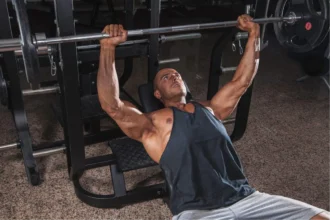
The flat barbell bench press remains the king of chest exercises for good reason. This movement allows you to handle the most weight and engage the entire chest along with your triceps and shoulders. When performing the bench press, lower the bar to your mid-chest level with control, pause briefly, and then press explosively back up. Keep your shoulder blades squeezed together throughout the movement to protect your shoulders and maximize chest activation. Most people should aim for three to four sets of six to ten repetitions with a weight that challenges them while maintaining proper form.
Incline dumbbell press is another essential exercise that targets the upper chest, an area many people struggle to develop. Set your bench to a 30 to 45 degree angle and press the dumbbells up while bringing them slightly together at the top. Dumbbells offer the advantage of a greater range of motion compared to barbells, allowing each side of your chest to work independently and preventing strength imbalances. This exercise also reduces stress on your shoulder joints compared to the barbell version, making it suitable for long-term training without injury concerns.
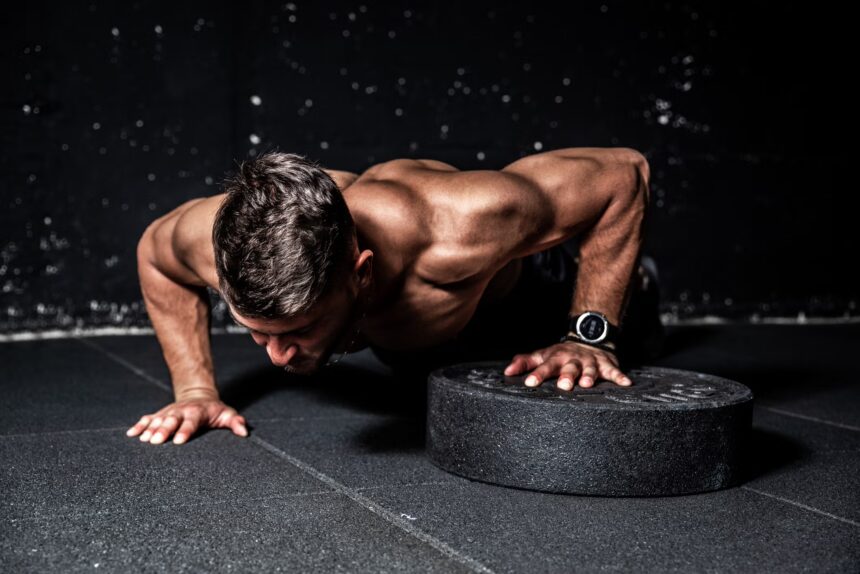
Push-ups deserve a special mention as they are incredibly versatile and effective for chest development. Many people dismiss push-ups as too basic, but variations like decline push-ups, diamond push-ups, and weighted push-ups can provide serious muscle-building stimulus. The beauty of push-ups is that they engage your core muscles simultaneously, improving overall body control and functional strength. For those training at home without equipment, push-ups become even more valuable as they require nothing but your body weight and determination.
Most Effective Tricep Exercises to Add Size and Strength
After completing your chest work, your triceps are already activated and pumped with blood, making this the perfect time to hit them with targeted exercises. The triceps make up roughly two-thirds of your upper arm mass, so developing them properly is crucial for anyone wanting bigger, more impressive arms. Understanding the anatomy helps you train smarter: your triceps have three heads (long, lateral, and medial) that all need attention for complete development.
Close-grip bench press serves as an excellent bridge between chest and tricep training. By bringing your hands closer together on the barbell, you shift more emphasis onto your triceps while still engaging your chest. This exercise allows you to lift heavy weight safely because you are in a strong pressing position. Keep your elbows closer to your body rather than flaring them out, which will protect your shoulders and maximize tricep recruitment. Three sets of eight to twelve repetitions work well for most people looking to build both strength and size.
Tricep dips are another powerful compound movement that can dramatically improve arm size and pressing strength. Whether you perform them on parallel bars, a dip station, or even between two sturdy chairs at home, dips force your triceps to handle your entire body weight. To emphasize tricep involvement over chest, keep your body more upright and your elbows close to your sides. As you get stronger, you can add weight using a dip belt or by holding a dumbbell between your feet. Start with bodyweight only and focus on perfect form before adding resistance.
Overhead tricep extensions target the long head of the triceps particularly well, which is the portion that gives your arms that impressive sweep when viewed from the side. You can perform this exercise with a dumbbell, cable machine, or even a resistance band. The key is to keep your elbows pointed forward and stable while only your forearms move. Lower the weight behind your head with control, feel the stretch in your triceps, and then extend back to the starting position. This exercise might feel awkward at first, but it becomes more natural with practice and delivers excellent results.
Creating Your Perfect Chest and Tricep Routine

A well-designed chest tricep workout follows a logical progression that maximizes muscle stimulation while managing fatigue. Start with heavy compound exercises when your energy levels are highest, then move to isolation movements as you fatigue. This approach ensures you can lift the heaviest weights possible on the most important exercises while still thoroughly working each muscle group.
Begin your session with five to ten minutes of light cardio and dynamic stretching to increase blood flow and prepare your joints for heavy lifting. Arm circles, band pull-aparts, and light sets of push-ups work excellently as warm-up movements. Never skip warming up, as it significantly reduces injury risk and actually improves your performance on working sets by activating your nervous system.
For your main chest work, select two to three exercises that target different angles. A sample progression might include flat bench press for overall mass, incline dumbbell press for upper chest development, and cable flyes or dips for finishing work. Perform three to four sets of each exercise with appropriate rest periods between sets. Rest for two to three minutes between heavy compound sets and one to two minutes between lighter isolation exercises.
After completing chest exercises, transition immediately into tricep training. Your triceps are already warmed up and pumped, so you can jump straight into working sets after perhaps one light warm-up set. Choose two to three tricep exercises that hit different angles and use different equipment. A solid combination might be close-grip bench press, overhead extensions, and rope pushdowns. Aim for three sets per exercise with eight to fifteen repetitions depending on the movement and your goals.
Remember that proper form always trumps lifting heavier weight. Using momentum, partial reps, or sloppy technique might inflate your ego temporarily, but it will not build muscle effectively and increases injury risk dramatically. Focus on feeling the target muscles working through a full range of motion on every single repetition. The connection between your mind and muscles, often called the mind-muscle connection, plays a huge role in training effectiveness.
Common Mistakes to Avoid During Your Training
Many people struggle to see progress from their chest and tricep workouts because they make preventable mistakes. One of the biggest errors is training chest and triceps too frequently. These muscles need adequate recovery time to repair and grow stronger. Working them hard twice per week with at least two full rest days between sessions works well for most people. Training them three or more times weekly often leads to overtraining, where you are breaking down muscle faster than your body can rebuild it.
Another common problem is neglecting progressive overload, which means gradually increasing the demands on your muscles over time. Your body adapts to the stress you place on it, so if you lift the same weights for the same reps week after week, progress will stall. Each week, try to add a small amount of weight, perform one or two more repetitions, or improve your form quality. These small improvements compound over months and years into dramatic transformations.
Poor exercise selection also holds many people back. Spending too much time on isolation exercises while neglecting heavy compound movements limits your potential. Cable crossovers and tricep kickbacks have their place, but they should complement heavy presses and dips, not replace them. The majority of your training volume should come from exercises where you can progressively lift heavier weights over time.
Ignoring proper nutrition represents perhaps the biggest mistake of all. You can have the perfect workout program, but without adequate protein intake and overall calories, muscle growth simply will not happen. Your muscles need building blocks in the form of protein and energy from carbohydrates and fats to repair and grow. Most active individuals need around 0.7 to 1 gram of protein per pound of body weight daily, spread across multiple meals throughout the day.
Recovery and Nutrition for Optimal Results
Understanding that muscles grow outside the gym, not inside it, changes how you approach your entire fitness journey. When you train hard, you create tiny tears in your muscle fibers. During the recovery period that follows, your body repairs these tears and adds a little extra muscle tissue to handle future stress better. This process requires adequate rest, proper nutrition, and smart training programming.
Sleep is perhaps the most underrated aspect of muscle building. During deep sleep stages, your body releases growth hormone and performs most of its recovery work. Aim for seven to nine hours of quality sleep each night, and try to maintain a consistent sleep schedule even on weekends. Poor sleep not only hampers muscle growth but also reduces workout performance, making it harder to train intensely enough to stimulate adaptation in the first place.
Post-workout nutrition deserves special attention because this is when your muscles are most receptive to nutrients. Consuming a meal containing both protein and carbohydrates within two hours after training helps kickstart recovery. A simple option might be a protein shake with a banana, or a chicken breast with rice and vegetables. The protein provides amino acids for muscle repair while carbohydrates replenish glycogen stores and create an environment conducive to growth.
Do not forget about hydration, which affects every bodily function including muscle recovery and performance. Dehydration of just two percent can noticeably reduce strength and endurance. Drink water consistently throughout the day, not just during workouts. A good rule of thumb is consuming about half your body weight in ounces of water daily, more if you are very active or live in a hot climate.
For more guidance on building a complete fitness routine that supports your goals, you will find additional workout plans, nutrition advice, and motivation to keep you on track.
Frequently Asked Questions About Chest Tricep Workouts
How often should I train chest and triceps together?
Most people see excellent results training chest and triceps together once or twice per week depending on their overall training split and recovery ability. If you follow a push-pull-legs routine, you would hit chest and triceps on both push days each week. If you use an upper-lower split, you might train them once weekly on your upper body push-focused day. The key is ensuring you have at least 48 to 72 hours of recovery before training these muscles hard again.
Can beginners do chest and tricep workouts?
Absolutely, beginners can and should incorporate chest and tricep training into their routines. Start with bodyweight exercises like push-ups and bench dips before progressing to weighted movements. Focus heavily on learning proper form with lighter weights before attempting to lift heavy. Beginners often see rapid progress in their first few months because their bodies are highly responsive to the new training stimulus. Just remember that patience and consistency matter more than trying to lift as heavy as possible right away.
What is better for muscle growth, heavy weight or more repetitions?
Both heavy weights with lower repetitions and lighter weights with higher repetitions can build muscle effectively. Heavy weight in the five to eight rep range builds strength and muscle density, while moderate weight for eight to fifteen reps often produces slightly better hypertrophy results for most people. The best approach includes both rep ranges in your program. Start your workout with heavier compounds in the lower rep range, then finish with higher rep isolation work. This combination ensures you stimulate all muscle fiber types and create a complete growth stimulus.
Do I need supplements to build chest and triceps?
Supplements are helpful but not necessary for building muscle. Proper whole food nutrition, adequate protein intake, and consistent training matter far more than any supplement. That said, some supplements like whey protein powder, creatine monohydrate, and caffeine have strong research supporting their effectiveness. These can slightly enhance results and make hitting your nutrition targets easier, but they cannot compensate for poor training or diet. Think of supplements as the last five percent of the equation, not the foundation.
Why am I not seeing results from my chest and tricep workouts?
If you are not seeing results, examine these common issues: insufficient training intensity, lack of progressive overload, inadequate protein intake, poor recovery practices, or inconsistent training. Many people also expect results too quickly. Noticeable muscle growth takes several weeks to months of consistent effort. Track your workouts in a journal or app, take progress photos monthly, and measure your strength increases rather than just looking in the mirror daily. Small consistent improvements compound into major transformations over time.
Take Your Training to the Next Level
Building an impressive chest and powerful triceps does not happen by accident. It requires a smart training approach, consistent effort, proper nutrition, and adequate recovery. The chest tricep workout combination gives you an efficient and effective way to build upper body strength and size while fitting perfectly into any training split. Whether you are a complete beginner just starting your fitness journey or an experienced lifter looking to break through a plateau, the principles outlined in this guide will serve you well.
Remember that everyone progresses at their own pace based on genetics, training age, nutrition, recovery ability, and consistency. Avoid comparing yourself to others and instead focus on being better than you were last month. Take progress photos, track your lifts in a training journal, and celebrate small victories along the way. The journey to building your ideal physique is a marathon, not a sprint.
Start implementing these strategies in your next chest and tricep session and pay attention to how your body responds. Make adjustments based on your individual needs and preferences, because the best workout program is the one you can stick to consistently over time. Stay patient, train smart, eat well, and trust the process. Your hard work will pay off with a stronger, more muscular upper body that you can be proud of.
Ready to transform your physique and unlock your full potential? Head over to MensBuddy for more expert fitness advice, workout programs, and the motivation you need to reach your goals. Your journey to a stronger, more confident you starts today.