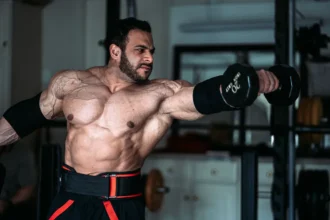

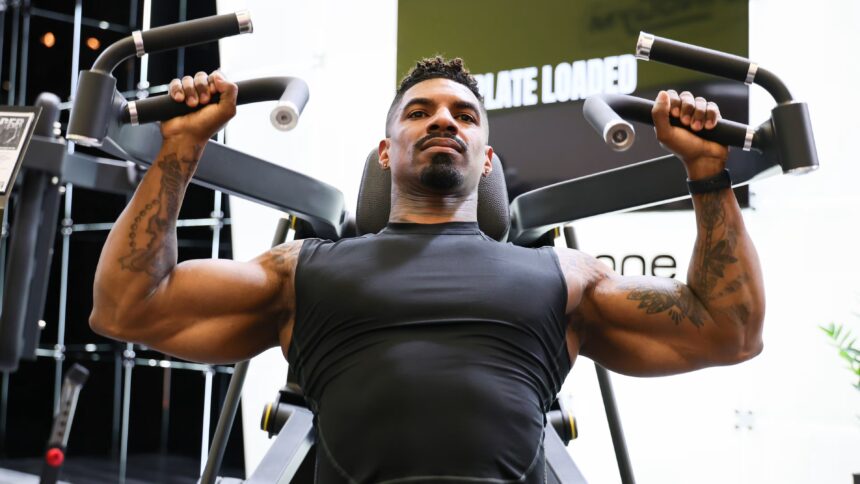
Starting your fitness journey can feel overwhelming, especially when you see complicated gym routines everywhere. But here’s the good news – you don’t need expensive equipment or a gym membership to get fit. A complete body exercise routine done right at home can transform your health, build muscle, and boost your energy levels in ways you never imagined.
Whether you’re a total beginner or someone getting back into fitness, understanding how to work your entire body effectively is the key to real, lasting results. In this guide, we’ll break down everything you need to know about complete body exercise in simple terms that anyone can understand and follow.
What is Complete Body Exercise

A complete body exercise routine means working all your major muscle groups in a single workout session. Instead of focusing on just your arms one day or legs another day, you train your chest, back, shoulders, arms, core, and legs together. This approach is incredibly efficient and perfect for people who want maximum results without spending hours in the gym every single day.
Think of your body like a team – when everyone works together, you achieve better results than when each member works alone. The same goes for your muscles. When you perform movements that engage multiple muscle groups at once, you burn more calories, build more strength, and see faster improvements in your overall fitness.
The beauty of full body training programs is that they fit naturally into busy lifestyles. You can get an amazing workout in just 30 to 45 minutes, three to four times per week. This makes it perfect for people juggling work, family, and other responsibilities.
Why Complete Body Workouts Work Better for Beginners
If you’re new to exercise, starting with a beginner home workout routine that targets your whole body makes perfect sense for several important reasons. First, you learn proper movement patterns faster because you practice them more frequently. When you do squats, push-ups, and rows multiple times each week, your body remembers these movements better than if you only did them once every seven days.
Second, complete body exercise burns more calories during and after your workout. Research shows that when you work multiple muscle groups together, your body continues burning extra calories for hours after you finish exercising. This is called the “afterburn effect” and it’s one of the best benefits of full body workouts.
Third, you avoid the frustration of muscle imbalances. Many people who split their workouts end up with stronger upper bodies but weaker legs, or vice versa. A balanced at home fitness routine prevents this problem by ensuring every part of your body gets attention during each session.
Fourth, you reduce your risk of getting hurt. When your whole body is strong and coordinated, you move better in daily life. This means fewer pulled muscles, better posture, and less back pain – issues that affect millions of people who sit at desks all day.
Essential Exercises for Beginners at Home
Creating an effective exercise for beginners at home doesn’t require fancy equipment. Your own body weight provides plenty of resistance to build strength and muscle when you’re just starting out. Let’s look at the fundamental movements every beginner should master.
Push Movements for Upper Body
Push-ups are the king of upper body exercises at home. They work your chest, shoulders, and triceps all at once while also strengthening your core. If regular push-ups feel too hard at first, start by doing them with your hands on a raised surface like a sturdy chair or couch. As you get stronger, gradually lower the surface until you can do perfect push-ups on the floor.
Another great pushing exercise is the pike push-up, which targets your shoulders more directly. You simply form an upside-down V shape with your body and lower your head toward the floor. These prepare you for more advanced shoulder exercises later.
Pull Movements for Back Strength
While pulling exercises are trickier without equipment, you can still work your back effectively at home. Inverted rows using a sturdy table are excellent. You lie under the table, grab the edge, and pull your chest up to touch it. This movement builds the same muscles as gym rowing machines.
If you have access to resistance bands – which cost less than a meal out – you can do band pull-aparts and face pulls. These exercises strengthen your upper back and improve your posture dramatically. For those following a complete fitness program, resistance bands are a worthy investment that expands your exercise options significantly.
Squat Patterns for Lower Body Power
Bodyweight squats form the foundation of any quality weight training at home routine. Stand with feet shoulder-width apart, push your hips back like you’re sitting in a chair, and lower yourself until your thighs are parallel to the ground. This single movement strengthens your quadriceps, hamstrings, glutes, and core simultaneously.
Lunges add another dimension to your leg training. Step forward with one leg, lower your back knee toward the ground, then push back to standing. Alternate legs for a complete set. Lunges improve your balance and coordination while building serious leg strength.
Core Stabilization
Your core muscles connect your upper and lower body, making them crucial for almost every movement you do. Planks teach you to brace your core properly. Start by holding a plank position for 20 to 30 seconds, keeping your body in a straight line from head to heels. As you improve, gradually increase the time.
Dead bugs are another fantastic core exercise that many beginners overlook. Lie on your back, raise your arms and legs in the air, then slowly lower opposite arm and leg toward the floor while keeping your lower back pressed down. This movement teaches proper core control that transfers to all other exercises.
Building Your First Complete Body Training Program
Now that you understand the basic movements, let’s put them together into a practical workout you can start today. A solid full body training program for beginners should include exercises from each category we discussed – pushing, pulling, squatting, and core work.
Sample Beginner Workout Structure
Start each session with a simple warm-up. Walk in place for three minutes, do some arm circles, and perform a few bodyweight squats without weights. This prepares your muscles and joints for the work ahead and reduces injury risk.
For your main workout, pick one exercise from each category. For example, do push-ups for your pushing movement, inverted rows for pulling, squats for legs, and planks for core. Perform each exercise for three sets, aiming for 8 to 12 repetitions per set. Rest for 60 to 90 seconds between sets.
As you complete each workout, focus on perfect form rather than speed or doing more reps than you can handle properly. Quality always beats quantity when building a foundation of strength. Many people rush through exercises and end up with poor movement patterns that limit their progress later.
Progressive Overload Made Simple
The secret to continuous improvement is something called progressive overload. This simply means making your workouts slightly harder over time. You can do this by adding more reps, doing more sets, taking shorter rest periods, or making exercises more challenging by changing the angle or adding pauses.
For instance, once you can easily do 12 push-ups in all three sets, try doing 15 reps next time. Or if regular squats become too easy, try doing them slower – taking three seconds to lower down and three seconds to stand back up. These small changes keep your muscles adapting and growing stronger.
Ready to take your fitness to the next level? Visit MensBuddy for more comprehensive workout plans, nutrition advice, and expert tips to help you reach your fitness goals faster.
Common Mistakes to Avoid in Home Workouts
Even with the best intentions, beginners often make mistakes that slow their progress or increase injury risk. Being aware of these pitfalls helps you avoid them from the start.
The first major mistake is doing too much too soon. Your enthusiasm is wonderful, but your body needs time to adapt to new stresses. Start with three workouts per week, giving yourself at least one rest day between sessions. This recovery time is when your muscles actually grow stronger, not during the workout itself.
Another common error is neglecting proper breathing. Many people hold their breath during difficult exercises, which raises blood pressure unnecessarily and reduces performance. Instead, breathe out during the hard part of each movement and breathe in during the easier part. For push-ups, breathe out as you push up and breathe in as you lower down.
Skipping warm-ups and cool-downs might save a few minutes, but it increases your injury risk significantly. Always take five minutes to prepare your body before intense exercise and five minutes to cool down afterward. Your joints, muscles, and future self will thank you.
Finally, many beginners stick with the same routine for months without changing anything. While consistency is important, you must also challenge your body with new stimuli. After four to six weeks with one routine, switch up some exercises or adjust the sets and reps to keep progressing.
Making Your Home Workout Environment Effective
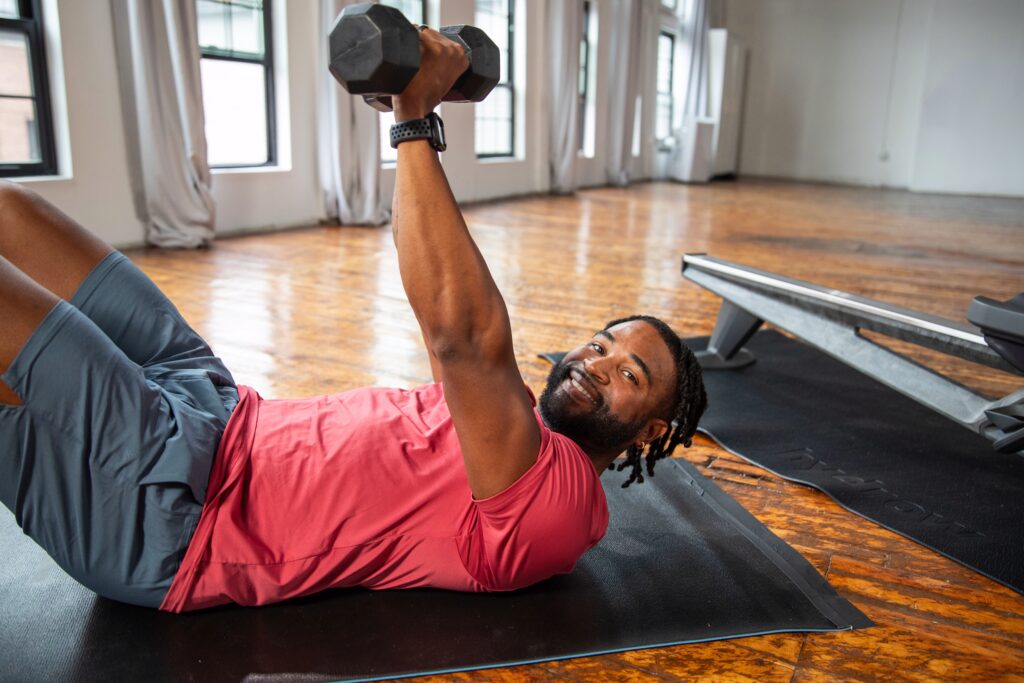
Creating a dedicated space for your at home fitness routine makes a huge difference in consistency. You don’t need a whole room – just a clear area about 6 feet by 6 feet where you can move freely. Remove any obstacles or breakable items from this space.
Good lighting helps you see your form better, especially if you follow along with workout videos. Natural light works best, but any bright light will do. Consider placing a mirror nearby if possible, as seeing your form helps you self-correct mistakes.
Keep your workout area ready to go. If you need to move furniture and hunt for equipment every time you want to exercise, you’ll find excuses not to start. Having everything set up removes this friction and makes it easier to stick with your routine consistently.
Music can be a powerful motivator during workouts. Create a playlist of upbeat songs that energize you. Research shows that exercising to music you enjoy can increase your performance and make workouts feel easier and more enjoyable.
Nutrition Tips to Support Your Training
Exercise is only half the equation when transforming your body. What you eat plays an equally important role in your results. You don’t need a complicated diet – just follow some basic principles that support your training efforts.
Protein is crucial for muscle recovery and growth. Aim to include a palm-sized portion of protein with each meal. Good sources include chicken, fish, eggs, beans, lentils, and Greek yogurt. Getting enough protein helps your muscles repair after workouts and builds the lean mass that speeds up your metabolism.
Don’t fear carbohydrates – your body needs them for energy during workouts. Focus on whole food sources like rice, potatoes, oats, and whole grain bread. These provide sustained energy without the crashes that come from sugary processed foods.
Hydration affects your performance more than most people realize. Drink water throughout the day, not just during workouts. A simple rule is to drink enough that your urine stays light yellow. Dark urine means you need more water.
Vegetables deserve a special mention because they provide vitamins, minerals, and fiber that support overall health and recovery. Try to include vegetables with at least two meals daily. They help reduce inflammation from exercise and keep your digestive system running smoothly.
Tracking Your Progress Effectively
Monitoring your improvement keeps you motivated and helps you spot when changes are needed. Keep a simple workout journal where you write down what exercises you did, how many sets and reps, and how you felt. Looking back at this journal after a few weeks shows how far you’ve come.
Take progress photos every four weeks from the front, side, and back. The changes in your body happen gradually, so daily mirror checks won’t show much difference. But comparing photos from a month apart reveals real transformations that numbers on a scale might miss.
Track non-scale victories too. Can you now do push-ups on the floor when you started on a chair? Do you feel more energetic throughout the day? Are you sleeping better? These improvements matter just as much as physical changes and often happen first.
Frequently Asked Questions About Complete Body Exercise
How often should I do complete body workouts as a beginner?
For beginners, three times per week is ideal for a complete body exercise routine. This schedule gives you enough stimulus to build strength while providing adequate recovery time between sessions. Schedule your workouts on non-consecutive days, such as Monday, Wednesday, and Friday. As you become more experienced after a few months, you can consider increasing to four sessions weekly if your recovery allows.
Can I build muscle without any equipment at home?
Yes, you absolutely can build muscle using just your bodyweight for exercise for beginners at home. Movements like push-ups, squats, lunges, and planks create enough resistance to stimulate muscle growth, especially when you’re starting out. As you progress, you can make bodyweight exercises harder by changing angles, adding pauses, or increasing time under tension. Eventually, adding simple equipment like resistance bands or dumbbells will help you continue progressing.
How long should each workout session last?
An effective beginner home workout routine typically lasts 30 to 45 minutes, including your warm-up and cool-down. This duration is long enough to work all major muscle groups effectively but short enough to maintain good form and intensity throughout. Quality matters more than quantity – a focused 30-minute session beats an unfocused 90-minute workout every time.
What if I feel sore after my first few workouts?
Muscle soreness after starting a new full body training program is completely normal and usually peaks 24 to 48 hours after exercise. This is called delayed onset muscle soreness. It happens because your muscles are adapting to new stresses. Light activity like walking actually helps reduce soreness faster than complete rest. However, if pain is sharp or severe rather than a dull ache, stop exercising and consult a healthcare professional.
Do I need to do cardio along with strength training?
While complete body workouts provide some cardiovascular benefits, adding dedicated cardio sessions can improve your heart health and burn extra calories. For beginners, 20 to 30 minutes of walking, cycling, or swimming two to three times per week complements your strength training nicely. You can do cardio on your rest days or after your strength workouts if time permits.
When will I start seeing results from my workouts?
Most beginners notice improvements in strength and energy within the first two weeks of consistent training. Physical changes in muscle tone typically become visible after four to six weeks, though this varies based on your starting point, nutrition, sleep, and genetics. Remember that building a strong, healthy body is a marathon, not a sprint. Stick with your at home fitness routine for at least three months before judging its effectiveness.
Should I work out if I’m feeling tired or not motivated?
Distinguish between mental fatigue and physical exhaustion. If you’re simply not motivated but otherwise feel fine, doing a lighter workout often improves your mood and energy. However, if you’re genuinely exhausted from poor sleep, high stress, or recovering from illness, taking an extra rest day is the smarter choice. Your body builds strength during recovery, not just during workouts.
Final Thoughts on Your Complete Body Exercise Journey
Starting a complete body exercise routine at home is one of the best decisions you can make for your long-term health and fitness. The journey won’t always be easy – some days you’ll feel motivated and strong, while other days you’ll struggle to start. This is completely normal and happens to everyone, regardless of fitness level.
What matters most is showing up consistently, even when you don’t feel perfect. Every workout you complete, no matter how short or simple, moves you closer to your goals. Remember that professional athletes and fitness models all started as beginners too. The difference between them and people who give up is simply that they kept going when things got difficult.
Be patient with yourself as you learn new movements and build strength. Celebrate small victories along the way – your first full push-up, completing a workout without stopping, or simply choosing to exercise instead of skipping it. These moments add up to create lasting transformation.
Your health is an investment, not an expense. The time and effort you put into weight training at home now will pay dividends for decades through better energy, reduced disease risk, improved confidence, and enhanced quality of life. You deserve to feel strong, capable, and proud of what your body can do.
Start today with just one workout. Don’t wait for the perfect moment or until you have all the answers. Take action now, learn as you go, and trust the process. Your future self will look back and thank you for making this commitment to your health and wellbeing.