
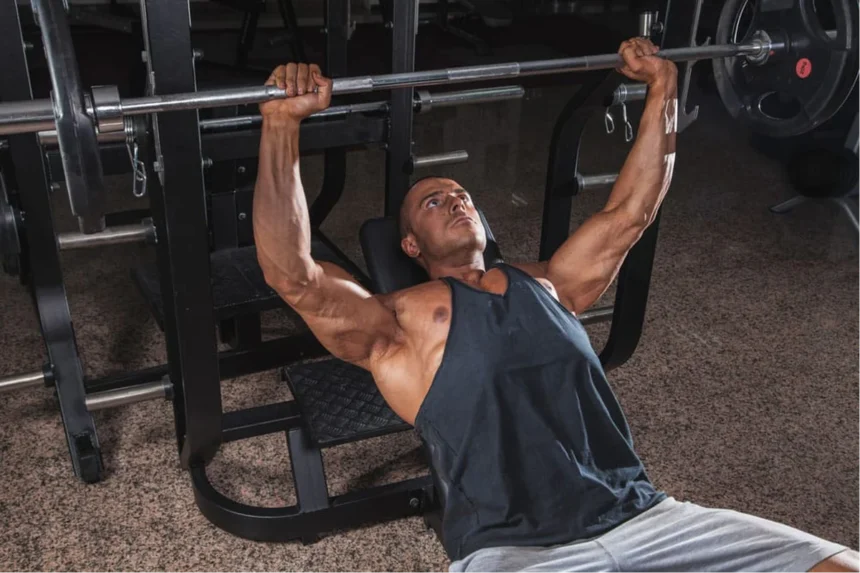
Building a strong and balanced chest is one of the most important goals for anyone serious about fitness. While the flat bench press gets most of the attention, the incline bench press is actually one of the best exercises you can do to develop your upper chest muscles. This powerful movement helps you build size, strength, and a well-rounded physique that looks impressive from every angle.
In this complete guide, you will learn everything you need to know about the incline bench press. We will cover the proper technique, the benefits you can expect, common mistakes to avoid, and how to add this exercise to your workout routine. Whether you are just starting out or have been lifting for years, this guide will help you get the most from this essential chest exercise.
What is the Incline Bench Press
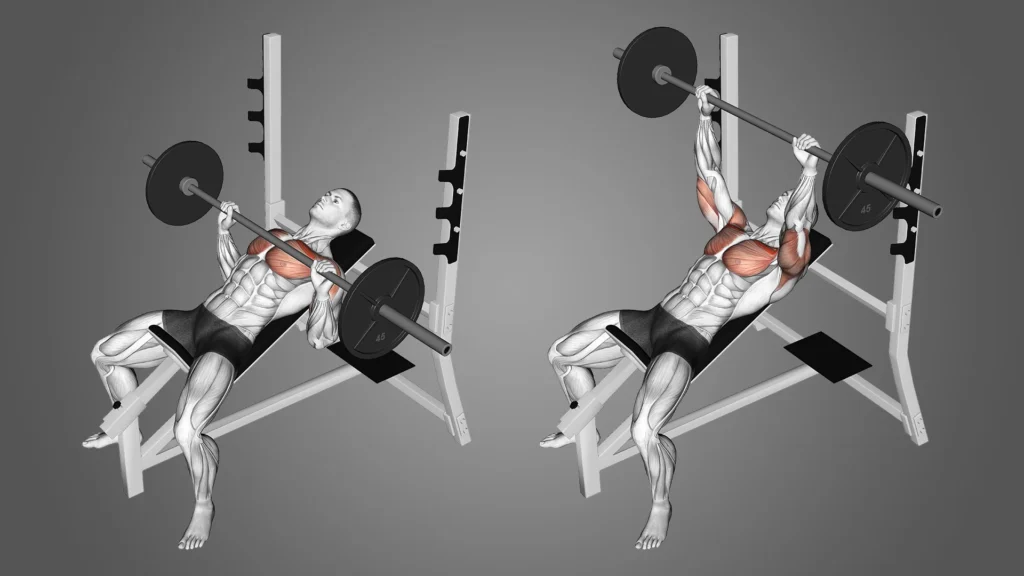
The incline bench press is a variation of the traditional bench press where you lie on a bench that is angled upward instead of flat. The bench is typically set between 30 to 45 degrees, which changes which muscles get worked the most during the exercise. This angle shifts more of the work to your upper chest, shoulders, and triceps compared to the flat bench press.
You can perform this exercise with either a barbell or dumbbells. The barbell version allows you to lift heavier weights and is great for building overall strength. The dumbbell version gives you a bigger range of motion and helps fix any strength differences between your left and right sides. Both versions are excellent choices depending on your goals.
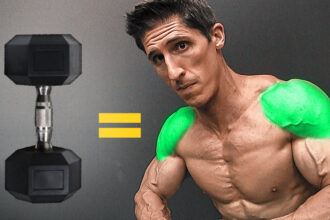
The main reason this exercise is so popular is because it targets the clavicular head of your pectoralis major muscle. This is the upper part of your chest that helps create that full, developed look that many people want. When you combine incline pressing with other chest exercises, you can build a chest that is strong and looks good from all angles.
Why the Incline Bench Press Should Be Part of Your Workout
Adding the incline bench press to your training program comes with many benefits. Research shows that this exercise activates your upper chest muscles much more than flat or decline pressing movements. Here are the main reasons why you should include this exercise in your routine.
Builds a Bigger Upper Chest
The biggest benefit of the incline bench press is how well it works your upper chest. Many people struggle to develop this area because they only do flat bench pressing. The upper chest is often the weakest part of the chest for most lifters, which can make your whole chest look underdeveloped.
When you press on an incline, the angle forces your upper chest fibers to work harder. Studies have shown that a 30 degree angle provides the best activation of the upper pectoralis major muscle. This means you can build more muscle in this area compared to other chest exercises. Over time, this leads to a fuller, more balanced chest that looks impressive whether you are wearing a shirt or not.
The upper chest also plays an important role in many daily activities and sports movements. Having a strong upper chest helps with throwing, pushing, and any movement where you need to press something away from your body at an upward angle.
Strengthens Your Shoulders and Triceps
While the incline bench press is mainly a chest exercise, it also does a great job of working your shoulders and triceps. Your front shoulder muscles, also called the anterior deltoids, help you press the weight up during the movement. Your triceps work hard to extend your elbows and lock out the weight at the top of each repetition.
This makes the incline bench press a true compound exercise, which means it works multiple muscle groups at the same time. Compound exercises are some of the best movements you can do because they help you build more muscle and strength in less time. They also burn more calories and create a bigger hormonal response in your body compared to exercises that only work one muscle.
Many athletes and fitness enthusiasts use the incline bench press to improve their performance in other pressing movements. If you want to get stronger at the overhead press or regular bench press, adding incline work to your routine can help you reach your goals faster.
Improves Overall Pressing Strength
Getting stronger at the incline bench press carries over to other exercises in your program. When you build strength at this angle, you will often notice improvements in your flat bench press numbers, overhead press, and even your dips. This happens because all of these movements use similar muscles and movement patterns.
The incline bench press also teaches your body to stay stable and maintain proper form under heavy loads. You learn how to keep your shoulder blades pulled back, maintain tension through your core, and drive through your legs for extra power. These are skills that will help you with every pressing movement you do.
For anyone interested in building strength and muscle, the incline bench press is one of the most important exercises you can master. It provides a great training stimulus that helps you grow bigger and stronger over time.
How to Perform the Incline Bench Press with Perfect Form
Learning proper technique is the most important thing you can do to get results from this exercise while staying safe. Poor form not only limits your gains but can also lead to injuries that keep you out of the gym. Follow these steps to make sure you are doing the incline bench press correctly.
Setting Up Your Bench
Start by adjusting your incline bench to the right angle. Most experts recommend setting the bench between 30 to 45 degrees. If you are new to this exercise, start with 30 degrees because this angle has been shown to provide the best upper chest activation for most people. You can experiment with different angles later to see what feels best for your body.
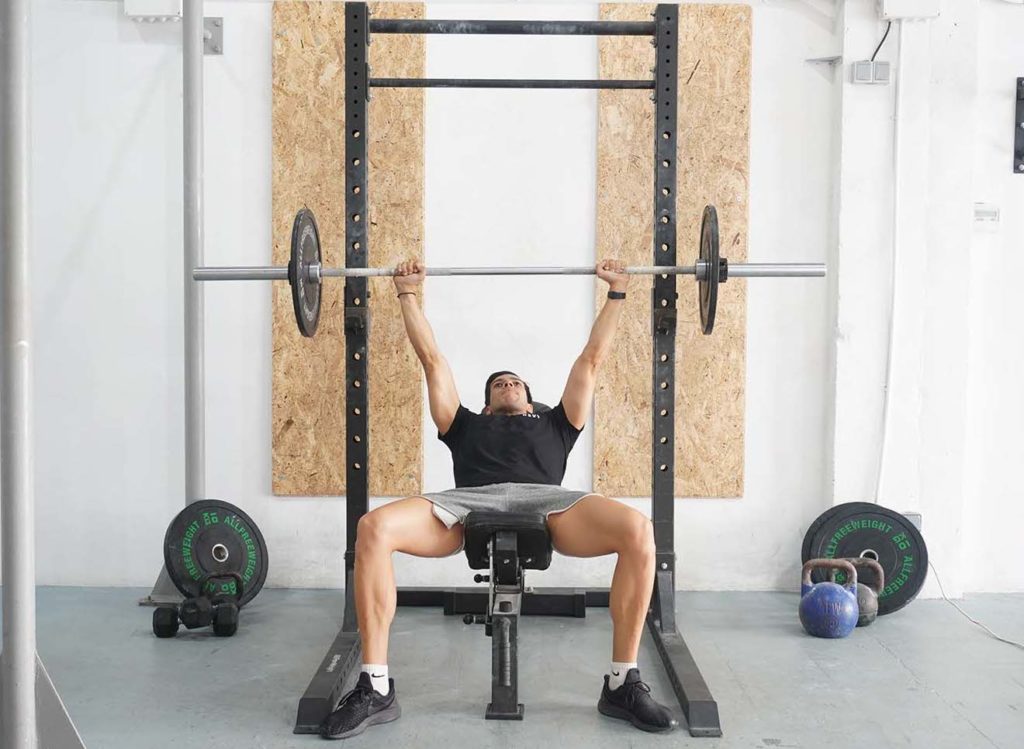
Make sure your bench is stable and locked in place before you start lifting. The bar should be positioned so it is directly above your eyes when you lie down. This makes it easier to unrack the weight safely at the start of each set. If you are using dumbbells, have them close by so you can easily pick them up when you are ready to begin.
Position yourself on the bench with your feet flat on the floor. Your feet should be about shoulder width apart to give you a stable base. Some people like to place their feet slightly back to help them drive through their legs during the press. Your whole back should be in contact with the bench, with just a small natural arch in your lower back.
Step by Step Instructions
Once you are in position, take a deep breath and pull your shoulder blades together and down. This creates a stable platform and protects your shoulders during the movement. Your chest should feel proud and pushed out slightly. This position should feel tight and strong, not relaxed.
Grab the bar with your hands placed slightly wider than shoulder width apart. Your wrists should be straight, not bent back toward your forearms. This grip width allows you to generate the most power while keeping your shoulders in a safe position. Some people need a slightly wider or narrower grip depending on their arm length and shoulder flexibility.
Unrack the bar and hold it with straight arms directly above your upper chest. Take another breath and begin lowering the bar in a controlled motion. The bar should come down to the upper part of your chest, around your collarbone area. This is different from the flat bench press where the bar touches lower on your chest.
Keep your elbows at about a 45 degree angle from your body as you lower the weight. Do not let them flare out to the sides too much because this puts extra stress on your shoulder joints. Lower the bar until it lightly touches your chest or comes within an inch of touching. Never bounce the bar off your chest.
Once the bar reaches the bottom, press it back up in a straight line by pushing through your chest and extending your arms. Focus on driving the weight up powerfully while maintaining control. Exhale as you press the weight up. Lock your elbows at the top and hold for a brief moment before starting your next repetition.
Keep every repetition smooth and controlled. The weight should move at the same speed going down and going up. If you find yourself having to bounce the weight or use momentum to complete a rep, the weight is too heavy. Always prioritize good form over lifting heavy weights.
Ready to take your chest training to the next level? Explore more expert workout guides and training tips at Men’s Buddy to help you reach your fitness goals faster.
Common Mistakes to Avoid
Even experienced lifters make mistakes with the incline bench press that limit their results. Being aware of these common errors will help you get better results and stay injury free. Here are the most important things to watch out for during your training.
One of the biggest mistakes is using too much weight before you have mastered the proper form. Many people load up the bar with more weight than they can handle, which forces them to use poor technique. This not only reduces how much your chest muscles work but also increases your risk of getting hurt. Always start with lighter weights and focus on perfect form before adding more weight to the bar.
Another common error is setting the bench angle too high. When the bench is angled higher than 45 degrees, the exercise becomes more of a shoulder press than a chest press. Your front deltoids take over most of the work, which defeats the purpose of the exercise. If you feel your shoulders burning more than your chest, try lowering the angle of the bench.
Many lifters also make the mistake of not keeping their shoulder blades pulled back throughout the entire movement. When your shoulders round forward, you lose the stable base that allows you to press heavy weights safely. This also puts more stress on your shoulder joints and can lead to pain or injury over time. Always focus on keeping your chest up and shoulder blades squeezed together.
Lifting your butt off the bench is another mistake that reduces your pressing power and can hurt your lower back. Your glutes should stay in contact with the bench during the entire set. If you find yourself lifting your hips, the weight is too heavy or you need to work on your core stability.
Finally, many people lower the bar too quickly or to the wrong spot on their chest. The bar should touch your upper chest near your collarbone, not the middle or lower part of your chest. Taking the time to lower the weight in a controlled manner helps you get more muscle activation and reduces your risk of injury.
Best Incline Bench Press Variations
Once you have mastered the basic incline bench press, you can add variations to your program to keep making progress. Different variations challenge your muscles in new ways and help prevent your workouts from becoming boring.
The incline dumbbell press is one of the best variations you can do. Using dumbbells instead of a barbell allows each arm to work independently, which helps fix strength imbalances between your left and right sides. Dumbbells also give you a bigger range of motion because you can lower them deeper than a barbell. This extra stretch can lead to more muscle growth over time.
The incline Smith machine press is another good option, especially if you train alone and do not have a spotter. The Smith machine guides the bar along a fixed path, which makes the exercise easier to control. This can be helpful when you want to push yourself to muscle failure without worrying about dropping the weight. However, the fixed bar path does not allow for natural movement, so it should not be your only pressing exercise.
You can also try the close grip incline bench press to put more emphasis on your triceps. By moving your hands closer together on the bar, you shift some of the work away from your chest and toward your arms. This variation is excellent for building stronger triceps that will help you with all your pressing movements.
The pause incline bench press involves holding the bar on your chest for two to three seconds before pressing it back up. This removes any momentum from the movement and forces your muscles to work harder from the bottom position. This variation is great for building explosive strength and breaking through strength plateaus.
How Often Should You Do Incline Bench Press
The right training frequency depends on your experience level, goals, and overall workout program. Most people will see good results by including the incline bench press in their routine one to two times per week. This gives your muscles enough stimulus to grow while allowing adequate time for recovery.
If you are new to lifting weights, start with just one session per week. Focus on learning proper technique and building a base of strength before increasing your training volume. As you become more experienced, you can add a second incline pressing session to your weekly routine if you want to put extra emphasis on your upper chest development.
When you do incline bench press twice per week, make sure to space out your training sessions. Having at least two or three days between chest workouts gives your muscles time to recover and grow stronger. You might do heavy incline pressing on one day and lighter, higher repetition work on another day to vary the training stimulus.
Most people perform three to four sets of six to twelve repetitions per workout. Lower rep ranges with heavier weights are better for building maximum strength, while higher rep ranges with moderate weights are better for muscle growth. You can rotate between different rep ranges over time to get the benefits of both training styles.
Remember that the incline bench press is just one part of a complete chest workout. You should also include other exercises like the flat bench press, dips, and cable flyes to work your chest from different angles. A well-rounded program that targets all areas of your chest will give you the best results.
Frequently Asked Questions
What is the best angle for incline bench press?
The best angle for most people is 30 degrees from flat. Research shows this angle provides the highest upper chest muscle activation. However, you can use angles between 30 to 45 degrees depending on what feels best for your body and where you want to place the most emphasis.
Is incline bench press better than flat bench press?
Neither exercise is better than the other because they work different parts of your chest. The incline bench press targets your upper chest more, while the flat bench press works your middle and lower chest. The best approach is to include both exercises in your training program for balanced chest development.
How much weight should I use for incline bench press?
You will typically be able to lift less weight on the incline bench press compared to the flat bench press because of the angle and the muscles involved. Most people can press about 75 to 85 percent of their flat bench press weight on an incline. Start with lighter weights to learn proper form before increasing the load.
Can beginners do incline bench press?
Yes, beginners can safely perform the incline bench press as long as they use proper form and start with light weights. This exercise is a great way for new lifters to build upper body strength. Consider working with a trainer or experienced gym partner when you are first learning the movement.
Why does my shoulder hurt during incline bench press?
Shoulder pain during incline pressing usually happens because of poor form, too much weight, or setting the bench angle too high. Make sure you keep your shoulder blades pulled back, do not let your elbows flare out too wide, and use a weight you can control with good technique. If pain continues, stop the exercise and talk to a healthcare provider.
Should I do incline bench press before or after flat bench press?
This depends on your goals. If your upper chest is a weak point and you want to prioritize its development, do incline pressing first when you have the most energy. If overall chest strength is your main goal, you might do flat bench pressing first. You can also rotate which exercise you do first from one workout to the next.
Final Thoughts
The incline bench press is one of the most effective exercises you can do to build a bigger, stronger upper chest. When you perform this movement with proper technique and include it regularly in your training program, you will see improvements in both your chest size and pressing strength. The exercise also helps develop your shoulders and triceps, making it a true compound movement that delivers results.
Remember that consistency and proper form are more important than lifting the heaviest weight possible. Take the time to learn the correct technique, start with manageable weights, and focus on progressive overload by gradually increasing the weight over time. Combined with good nutrition and adequate recovery, the incline bench press will help you build the impressive upper body you want.
Start including this powerful exercise in your next chest workout and experience the difference it can make. Your upper chest will thank you, and you will be on your way to building a stronger, more balanced physique. For more training tips and workout guides, visit Men’s Buddy and take your fitness journey to the next level.