


Belly fat is more than just a cosmetic concern. Research from the Mayo Clinic shows that excess abdominal fat, particularly visceral fat that surrounds your organs, poses serious health risks including type 2 diabetes, heart disease, and metabolic syndrome. For men specifically, belly fat tends to accumulate around the midsection as testosterone levels naturally decline with age, making this one of the most frustrating areas to target.
The good news? Belly fat is metabolically active and responds well to targeted lifestyle changes. Unlike other areas of fat storage, visceral fat is sensitive to diet, exercise, and stress management. In this comprehensive guide, you will discover proven, science-backed methods to eliminate stubborn belly fat and achieve the lean physique you desire.
Understanding Belly Fat: Why Men Store Fat in the Midsection
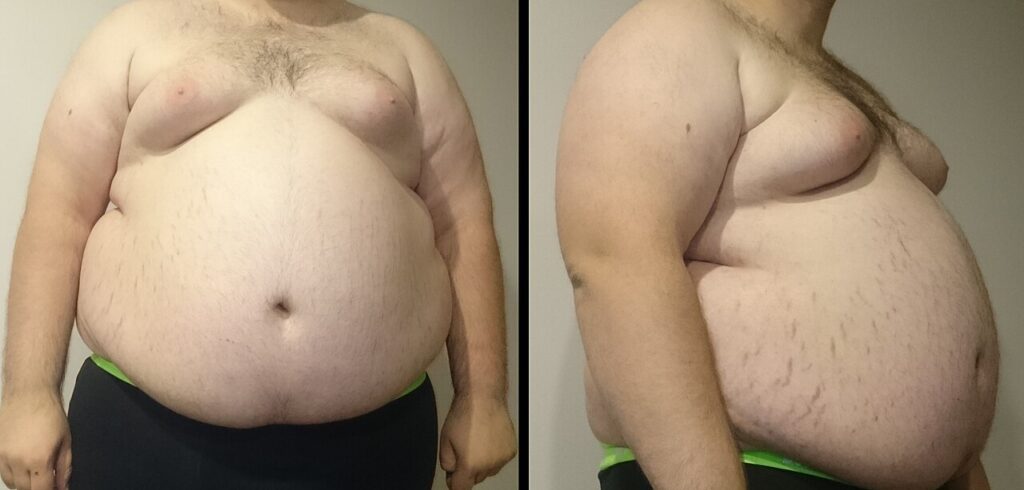
Before addressing how to lose belly fat, you need to understand why men gain it in the first place. Men store fat differently than women due to hormonal differences and genetic predisposition.
Visceral Fat vs. Subcutaneous Fat
There are two types of belly fat: visceral and subcutaneous. Visceral fat surrounds your organs deep within the abdominal cavity, while subcutaneous fat lies under the skin. Visceral fat is more dangerous to your health but also more responsive to exercise and calorie deficits. Research from Harvard Medical School indicates that men with high visceral fat have elevated inflammation markers and increased cardiovascular disease risk.
The Role of Testosterone
As men age, testosterone levels naturally decline approximately 1 percent per year after age 30. Lower testosterone shifts fat storage patterns toward the abdomen. This hormonal change makes maintaining a lean midsection increasingly challenging for men over 40. Understanding this physiological reality helps you set realistic expectations and adjust your approach accordingly.
Method 1: Create a Calorie Deficit Through Nutrition
The fundamental principle of fat loss remains unchanged: you must consume fewer calories than you burn. However, how you create that deficit matters significantly for both results and sustainability.
Prioritize Protein Intake
Consuming adequate protein is crucial for preserving muscle mass while losing fat. A study published in the Journal of Nutrition found that men eating 1.6 grams of protein per kilogram of body weight while in a calorie deficit retained significantly more muscle mass compared to those eating less protein. Aim for 0.8 to 1.2 grams of protein per pound of body weight daily. Good sources include chicken breast, fish, eggs, Greek yogurt, and lean beef.
Reduce Refined Carbohydrates
Research from the American Journal of Clinical Nutrition demonstrates that refined carbohydrates and added sugars correlate strongly with increased visceral fat accumulation. Replace white bread, sugary drinks, and processed snacks with whole grains, vegetables, and fruits. This single change can dramatically reduce belly fat over time while providing sustained energy for your workouts.
Method 2: Exercise Strategy for Maximum Fat Loss

Exercise is non-negotiable if you want to lose belly fat effectively. Combining strength training with cardiovascular exercise produces superior results compared to either alone.
High-Intensity Interval Training (HIIT)
HIIT is exceptionally effective for reducing visceral fat. A 2019 study in Obesity journal found that men performing HIIT three times weekly for 12 weeks reduced visceral fat by 31 percent compared to only 5 percent in the moderate exercise group. HIIT involves short bursts of maximum effort followed by recovery periods. Examples include sprint intervals on a treadmill, cycling, or rowing machine for 30 seconds at high intensity, then 90 seconds of easy recovery, repeated 8 to 10 times.
Resistance Training
Strength training builds muscle mass, which increases your metabolic rate and helps you burn more calories at rest. Focus on compound movements like squats, deadlifts, bench press, and rows that engage large muscle groups. Aim for at least three resistance training sessions weekly, keeping rest periods between sets to 60 to 90 seconds to maintain elevated heart rate and metabolic demand.
Method 3: Sleep and Stress Management
Often overlooked, sleep quality and stress levels directly influence belly fat accumulation through hormonal mechanisms. Research from the Journal of Sleep Research shows that men sleeping less than 6 hours nightly gain more visceral fat over time even without increasing calorie intake.
Optimize Sleep Quality
Aim for 7 to 9 hours of quality sleep nightly. Poor sleep elevates cortisol and ghrelin (hunger hormone) while decreasing leptin (satiety hormone), creating the perfect storm for fat accumulation. Maintain consistent sleep schedules, keep your bedroom cool and dark, and avoid screens one hour before bed.
Stress Reduction Techniques
Chronic stress elevates cortisol, which preferentially stores fat in the abdominal region. Implement stress management techniques including meditation, deep breathing exercises, yoga, or spending time in nature. Even 10 minutes of daily meditation can significantly reduce cortisol levels and support belly fat loss.
Method 4: Optimize Alcohol and Hydration
Alcohol consumption, particularly beer and sugary cocktails, directly contributes to belly fat accumulation. Studies show that excessive alcohol increases visceral fat storage while reducing the body’s ability to burn fat. If you drink, limit consumption to no more than two drinks daily.
Staying hydrated supports fat loss by improving metabolic efficiency. Drink at least 10 to 12 glasses of water daily. Water increases satiety, supports digestion, and helps your body function optimally during calorie restriction and exercise.
Realistic Timeline and Expectations
Losing stubborn belly fat requires patience. Most men notice visible improvements in 8 to 12 weeks with consistent effort combining proper nutrition, exercise, sleep, and stress management. Visceral fat loss occurs before visible subcutaneous fat loss, so the scale might not reflect your actual progress initially. Take progress photos and measurements to track changes accurately.
Conclusion
Losing belly fat is achievable through a multifaceted approach addressing nutrition, exercise, sleep, and stress management. While belly fat is metabolically stubborn, it responds well to consistent effort over 8 to 12 weeks. Start implementing these science-backed strategies today, and you will see measurable results in your midsection, energy levels, and overall health.