

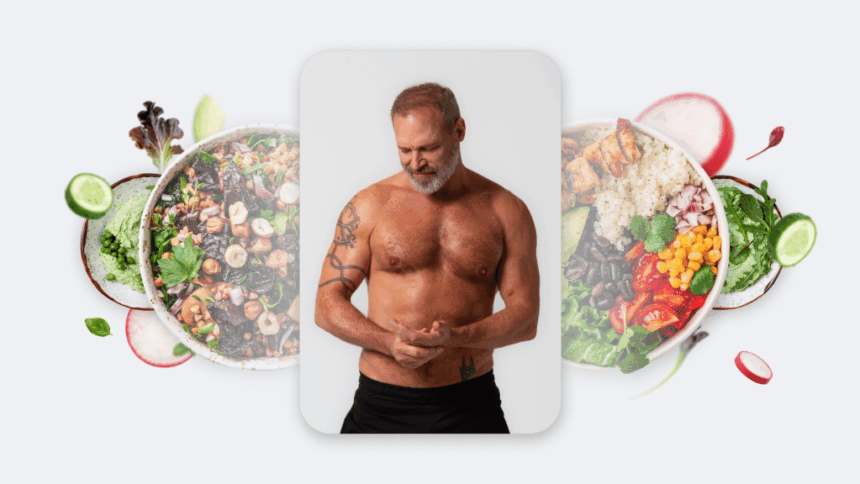
Intermittent fasting for men over 40 has become one of the most researched and effective strategies for losing fat, maintaining muscle, boosting energy, and reversing metabolic dysfunction — all of which become increasingly critical after the age of 40, when testosterone begins its natural decline, metabolism slows, and belly fat becomes stubbornly resistant to conventional dieting approaches.
But intermittent fasting is not one-size-fits-all. Men over 40 have specific hormonal, metabolic, and recovery considerations that change how IF should be implemented for maximum results and safety. This comprehensive guide gives you the complete, evidence-based picture for 2026.
📊 A 2025 New England Journal of Medicine review found that intermittent fasting reduces body fat by 3 to 8% over 3 to 24 weeks and improves insulin sensitivity, blood pressure, and inflammatory markers in middle-aged men.
Why Intermittent Fasting Works Especially Well for Men Over 40

After 40, three physiological changes work against men trying to stay lean and healthy: declining testosterone (which reduces muscle mass and increases fat storage tendency), increasing insulin resistance (which makes it progressively harder to burn fat for fuel), and rising systemic inflammation (which impairs recovery and increases disease risk over time).
Intermittent fasting directly targets all three simultaneously. Fasting periods lower insulin levels, improve insulin sensitivity, trigger autophagy (cellular clean-up and recycling), and can support testosterone levels by reducing body fat — particularly visceral fat, which is a primary driver of low T in men over 40 through increased aromatase activity.
The Best Intermittent Fasting Protocols for Men Over 40

Protocol 1: The 16:8 Method — Gold Standard for Beginners
The 16:8 method means fasting for 16 hours and eating all your calories within an 8-hour window. Most men achieve this by skipping breakfast, eating their first meal at noon, and finishing their last meal by 8 PM. This protocol is the most extensively studied, the most sustainable long-term, and the most compatible with normal social and work schedules.
What to eat during the 8-hour window: prioritise high protein at 1.8 to 2.2g per kg bodyweight, healthy fats, and complex carbohydrates timed around training. Avoid using the eating window as permission to binge on poor-quality food — total calorie quality still matters significantly within IF.
💡 PRO TIP: If skipping breakfast feels too difficult initially, shrink your eating window gradually: start with 12:12, move to 14:10 after one week, then transition to 16:8. Your hunger hormones — ghrelin — adapt within 1 to 2 weeks of consistency.
Protocol 2: The 18:6 Method — For Accelerated Fat Loss
The 18:6 protocol extends the fasting window to 18 hours, leaving only a 6-hour eating window each day. This is more aggressive and produces faster fat loss results, but requires greater discipline and carries a higher risk of muscle loss if protein intake is not carefully managed. Only recommended after at least 4 to 6 weeks of successful 16:8 practice.
Protocol 3: The 5:2 Diet — For Men Who Dislike Daily Restrictions
The 5:2 protocol involves eating normally for 5 days of the week and restricting calories to 500 to 600 on 2 non-consecutive days. This is ideal for men who travel frequently, have irregular schedules, or find daily fasting psychologically draining. Research shows it produces similar metabolic benefits to daily IF protocols over 12 or more weeks of adherence.
Protocol 4: OMAD (One Meal a Day) — Advanced Only, Use Caution
OMAD involves eating all daily calories in a single 1-hour window. While it produces rapid weight loss, it is not recommended for men over 40 due to significantly increased risk of muscle loss, nutritional deficiencies, and hormonal disruption. The short eating window makes it nearly impossible to consume adequate protein for muscle maintenance — a critical concern after 40.
💡 PRO TIP: Men over 40 should avoid OMAD unless supervised by a registered dietitian with experience in male hormonal health. The muscle-preservation risk outweighs the fat-loss benefits when compared to a well-implemented 16:8 or 18:6 protocol.
Protecting Muscle Mass While Fasting After 40
Muscle preservation is the primary concern for men over 40 who practice intermittent fasting. After 40, men experience “anabolic resistance” — the body becomes progressively less efficient at using protein to build and maintain muscle tissue, meaning you actually need MORE protein, not less, to maintain the same amount of muscle compared to younger men.
The five essential rules for protecting muscle while intermittent fasting over 40:
- Eat 2.0 to 2.5g of protein per kg bodyweight daily — spread across your eating window in 2 to 3 meals
- Resistance train 3 to 4 times per week — muscle stimulus is the most powerful anti-catabolic signal
- Break your fast with a protein-rich first meal of 40g or more of protein
- Consider a casein protein shake before bed — slow-release amino acids prevent overnight muscle breakdown
- Avoid excessive cardio while fasting — too much fasted cardio accelerates muscle loss in men over 40
What to Eat During Your Eating Window
The quality of food during your eating window determines approximately 80% of your results. Focus on nutrient-dense, protein-rich whole foods:
- Protein: eggs, chicken, beef, fish, Greek yoghurt, whey and casein protein powder
- Healthy fats: avocado, extra virgin olive oil, nuts, fatty fish — critical for testosterone production
- Complex carbohydrates: oats, sweet potatoes, brown rice, quinoa — timed around workouts for energy
- Vegetables and leafy greens: unlimited quantities — essential for micronutrient density and gut health
- Avoid: ultra-processed food, refined sugar, seed oils, alcohol — all suppress fat burning and recovery
What to Drink During the Fasting Window
During your fasting hours, these beverages will not break your fast and can actually enhance its metabolic benefits:
- Water — plain or sparkling, as much as you need throughout the fasting period
- Black coffee — suppresses appetite, boosts metabolism, and enhances fat oxidation during fasting
- Plain green or black tea — provides antioxidants and mild appetite suppression without breaking the fast
- Electrolyte water with no calories — helps maintain energy and reduces fasting fatigue
Strictly avoid during fasting: milk or cream in coffee, fruit juices, protein shakes, bulletproof coffee, and any caloric beverages. These break the fast and stop autophagy — the primary health benefit beyond fat loss.
Expected Results Week by Week
- Weeks 1 to 2: Adjustment phase — some hunger, possible fatigue, sleep often improves first
- Weeks 3 to 4: Fat loss begins visibly, energy levels stabilise, mental clarity noticeably improves
- Months 2 to 3: Visible body composition changes, measurable reduction in waist circumference
- Months 3 to 6: Significant improvements in blood markers including insulin, triglycerides, and blood pressure
Frequently Asked Questions
Q: Does intermittent fasting lower testosterone in men over 40?
A: Short-term fasting can cause a temporary reduction in LH and testosterone. However, over the long term, IF typically raises testosterone by reducing body fat — particularly visceral fat, which converts testosterone to estrogen via the enzyme aromatase. The net hormonal effect is positive when IF is combined with adequate protein intake and regular resistance training.
Q: Can men over 40 do intermittent fasting if they work out first thing in the morning?
A: Yes. Fasted morning workouts are effective for fat loss. To protect muscle, consume a leucine-rich pre-workout supplement such as 5g of BCAAs or essential amino acids, which provides the anabolic signal without significantly breaking the metabolic fast. Save your full protein meal for immediately after training.
Q: Is intermittent fasting safe for men over 40 with diabetes or heart conditions?
A: IF is generally safe but should be implemented under medical supervision for men with type 2 diabetes — medication adjustments are frequently needed — or cardiovascular conditions. Consult your GP or specialist before starting any fasting protocol if you have a pre-existing health condition.
🔗 Enjoyed this article? Explore more expert guides at mensbuddy.com — your complete resource for men’s health, fitness, grooming, and lifestyle.