
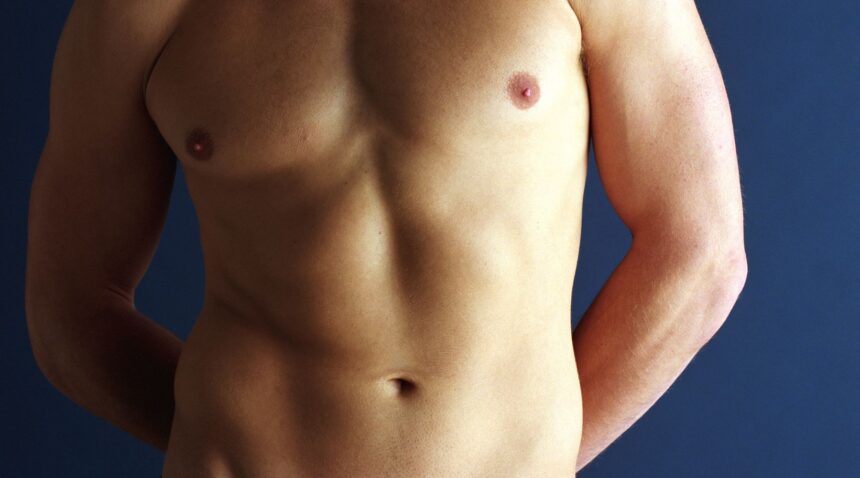
Man boobs — medically known as gynecomastia (glandular breast tissue enlargement) or pseudogynecomastia (excess chest fat) — affect an estimated 30 to 40% of men at some point in their lives. They are one of the most common sources of self-consciousness and a frequent reason men avoid going shirtless, joining a gym, or engaging in social activities. The good news: in most cases, man boobs can be significantly reduced or eliminated through targeted lifestyle changes.
In this complete guide, we break down exactly what causes man boobs, how to determine which type you have, and the proven five-step approach to get rid of them — without surgery and without extreme measures.
📊 A 2024 analysis in the Annals of Plastic Surgery found that over 70% of cases of man boobs in men under 40 are pseudogynecomastia — excess chest fat, not glandular tissue — and respond well to targeted diet and exercise interventions.
Gynecomastia vs Pseudogynecomastia: Understanding the Difference

This distinction matters significantly because the solution is different for each type:
- True Gynecomastia: Actual glandular breast tissue growth behind and around the nipple. Caused by a hormonal imbalance featuring high estrogen and low testosterone. Feels like a firm, rubbery, disc-shaped mass when you press it. Does not fully disappear with diet and exercise alone in most cases.
- Pseudogynecomastia: Excess fat stored in the chest area, creating the appearance of man boobs. Feels soft and uniform — not firm or nodular. Responds extremely well to fat loss through diet, exercise, and hormone optimisation.
To check which type you have: lie flat on your back and gently press your fingers behind your nipple. If you feel a firm, disc-like mass distinct from the surrounding tissue, it is likely true gynecomastia. If the tissue is soft and uniform throughout, it is likely pseudogynecomastia — and this guide will help you make dramatic progress.
💡 PRO TIP: If you suspect true gynecomastia, consult a GP or endocrinologist. It can be triggered by certain medications including anabolic steroids, anti-androgens, and some antidepressants, as well as liver disease or natural hormonal fluctuations during puberty or andropause.
Step 1: Create a Caloric Deficit to Lose Overall Body Fat
There is no such thing as spot-reducing chest fat independently of overall fat loss. When you lose fat, your body determines where it comes from — and genetics influence the order significantly. However, overall fat loss consistently reduces chest fat proportionately over time, especially in men with pseudogynecomastia where the chest is often one of the first areas to respond.
To create a sustainable caloric deficit: calculate your TDEE (Total Daily Energy Expenditure) using an online calculator, then reduce your caloric intake by 300 to 500 calories per day below that number. This produces approximately 0.3 to 0.5kg of fat loss per week — steady enough to preserve muscle mass while losing fat consistently.
Step 2: The Best Exercises for Reducing Man Boobs
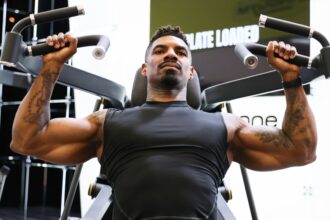
While cardio burns calories and creates the deficit needed for fat loss, resistance training directly reshapes the chest by building the pectoral muscle underneath the fat. As the pec muscles develop, they push outward and create better chest definition — significantly changing the appearance of your chest even before all the surface fat is gone.
Best Chest Exercises for a Flatter, More Muscular Chest
- Flat Barbell or Dumbbell Bench Press — the primary mass-builder for overall chest development
- Incline Bench Press — targets the upper chest, creating a more athletic, lifted appearance
- Cable Chest Flyes — isolates the pectoral muscles and develops inner-chest definition
- Push-Ups in decline and standard variations — highly accessible and effective for chest mass
- Parallel Bar or Bench Dips — compound movement hitting chest, triceps, and shoulders simultaneously
Train your chest 2 times per week with at least 10 to 15 total working sets per week for optimal muscle development alongside your fat-loss programme.
Step 3: Prioritise HIIT Cardio Over Steady-State Cardio
High-intensity interval training burns significantly more total calories than steady-state cardio — both during the session and in the hours after due to the EPOC (excess post-exercise oxygen consumption) effect. It also preserves more muscle mass than prolonged slow-paced cardio, and it produces greater improvements in insulin sensitivity, which directly supports fat burning and hormonal health.
Perform 3 to 4 HIIT sessions per week, 20 to 25 minutes each. Effective HIIT formats include: sprint intervals on a treadmill or stationary bike (30 seconds maximum effort, 90 seconds easy recovery, repeated 8 times), jump rope intervals, or battle rope circuits with short rest periods.
Step 4: Fix Your Diet to Optimise Your Hormone Levels
Because man boobs are strongly linked to an unfavourable testosterone-to-estrogen ratio, your diet should actively support high testosterone and appropriately low estrogen levels. This means making the following dietary changes:
- Eliminate or dramatically reduce alcohol — alcohol significantly raises estrogen and suppresses testosterone simultaneously
- Reduce large amounts of soy — phytoestrogens in excess quantities can affect hormone balance in susceptible men
- Avoid processed foods and seed oils — they increase systemic inflammation and promote hormonal disruption
- Eat more zinc-rich foods — oysters, lean beef, and pumpkin seeds directly support testosterone production
- Eat more cruciferous vegetables — broccoli and Brussels sprouts contain DIM, which helps clear excess estrogen from the liver
- Prioritise healthy dietary fats — avocado, olive oil, and nuts are essential for testosterone biosynthesis
Step 5: Optimise Your Sleep and Reduce Chronic Stress
Sleep is when approximately 70% of daily testosterone production occurs in men. Men who consistently sleep fewer than 6 hours per night have testosterone levels equivalent to men 10 to 15 years older. Chronic sleep deprivation also elevates cortisol, which increases fat storage particularly in the chest and abdomen — directly worsening the problem you are trying to solve.
Chronic stress raises cortisol through the same hormonal pathway. High cortisol chronically suppresses testosterone production and drives fat storage in hormonally sensitive areas. Implement consistent stress management: regular exercise, mindfulness practice, adequate sleep, and meaningful social connection.
How Long Does It Take to Get Rid of Man Boobs?
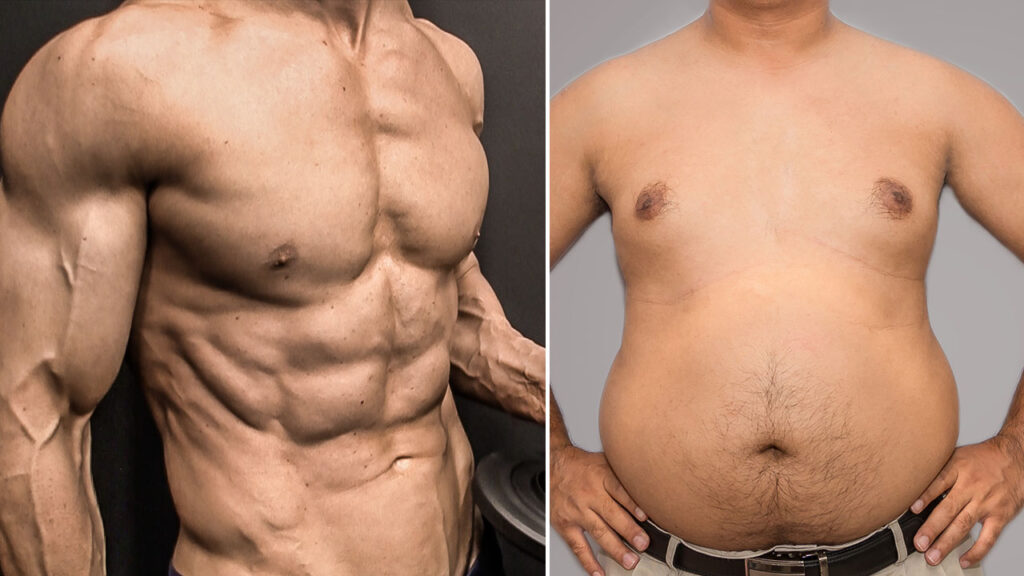
- Mild pseudogynecomastia: 8 to 12 weeks of consistent diet, training, and hormonal optimisation
- Moderate chest fat: 3 to 6 months of sustained caloric deficit combined with chest training
- Severe pseudogynecomastia: 6 to 12 months of sustained effort, with medical consultation if progress stalls beyond 6 months
💡 PRO TIP: Consistency completely beats intensity over time. You do not need extreme diets or 2-hour daily gym sessions. Three to four hours of training per week and a modest caloric deficit — sustained consistently for months — will produce dramatic and lasting results that extreme approaches never achieve.
Frequently Asked Questions
Q: Can push-ups alone get rid of man boobs?
A: Push-ups build chest muscle and contribute to caloric expenditure, but they cannot create a sufficient caloric deficit for significant fat loss on their own. Combine regular chest training with a caloric deficit through diet and HIIT cardio for the results you are looking for.
Q: Does losing weight automatically get rid of man boobs?
A: Yes, for pseudogynecomastia (excess chest fat). General fat loss will proportionally reduce chest fat alongside fat loss elsewhere in the body. For true gynecomastia involving actual glandular tissue, weight loss helps reduce the appearance significantly but may not fully resolve the underlying tissue — medical assessment is recommended in persistent cases.
Q: Do any supplements help reduce man boobs?
A: No supplement has strong clinical evidence specifically for reducing man boobs. However, supplements that support healthy testosterone levels — zinc, vitamin D, and ashwagandha — and those that support fat loss — creatine for training performance, protein powder for muscle preservation — all contribute indirectly. No supplement replaces the diet and training fundamentals outlined in this guide.
🔗 Enjoyed this article? Explore more expert guides at mensbuddy.com — your complete resource for men’s health, fitness, grooming, and lifestyle.