

Your Step-by-Step Guide to Building Lean Muscle in 2026 If you have been going to the gym for months but still not seeing the muscle gains you want, you are not alone. Most men make the same few mistakes — and once you fix them, your body starts changing fast. This guide breaks down everything you need to know about how to build muscle fast: the right workouts, the right food, and the habits that actually work.
Building muscle is not as complicated as the fitness industry makes it seem. But it does require doing the right things consistently. Whether you are a complete beginner or someone who has been lifting for a while, this guide will give you a clear, practical roadmap to pack on real lean muscle in 2026.
Why Most Men Struggle to Build Muscle

Before we talk about what to do, it helps to understand why so many men fail to see results. The number one reason is inconsistency. You cannot build muscle going to the gym twice one week and skipping the next. Muscle growth is a slow, steady process that rewards those who show up regularly.
The second biggest mistake is not eating enough. Your body needs raw materials to build new muscle tissue. If you are not eating enough calories and enough protein, your muscles simply have nothing to grow with. Many men eat well on training days and forget about nutrition on rest days — but your muscles actually repair and grow on those off days, so what you eat then matters just as much.
Finally, a lot of guys lift the same weights with the same reps week after week and wonder why nothing changes. Your muscles adapt quickly. You have to keep challenging them with more weight, more reps, or harder exercises over time. This principle is called progressive overload, and it is the single most important driver of muscle growth.
The Best Workout Strategy to Build Muscle Fast
Focus on Compound Movements First
If you want to build the most muscle in the least amount of time, compound exercises are your best friend. These are movements that work multiple muscle groups at the same time. The squat, deadlift, bench press, overhead press, and barbell row should form the foundation of your training program.
Why? Because they let you move heavier weights, stimulate more muscle fibers, and trigger a bigger hormonal response — including more testosterone and growth hormone — than isolation exercises like bicep curls. Think of compound lifts as the main course and isolation work as the dessert.
How Many Days a Week Should You Train
For most men looking to build muscle fast, training 4 days a week hits the sweet spot. This gives you enough frequency to stimulate each muscle group twice per week, while also allowing enough rest time for recovery. A simple upper-lower split or a push-pull-legs routine both work very well at this frequency.
If you can only train 3 days a week, a full body program done on Monday, Wednesday, and Friday works great too. The key is that every session has a purpose and you are pushing yourself in every workout.
Progressive Overload: The Golden Rule of Muscle Growth
Every single week, try to do a little more than you did before. Add 2.5 kg to the bar. Do one extra rep. Rest 10 seconds less between sets. This is progressive overload — and it is what forces your muscles to grow. Track your lifts in a notebook or an app so you always know what you did last time and what you need to beat today.
Pro Tip: Do not ego lift. It is better to squat 60 kg with perfect form than to squat 100 kg and hurt your back. Good technique keeps you injury-free so you can keep training consistently.
What to Eat to Build Muscle Fast
Protein: The Building Block of Muscle
Protein is the most important nutrient for building muscle. Every muscle in your body is made of protein, so when you train hard and break down muscle fibers, you need protein to repair and rebuild them — bigger and stronger than before.
A good target for most men is between 1.6 to 2.2 grams of protein per kilogram of bodyweight per day. So if you weigh 75 kg, aim for roughly 120 to 165 grams of protein daily. Spread this across 4 to 5 meals or snacks throughout the day for best results.
The best high-protein foods for muscle building include chicken breast, eggs, Greek yogurt, cottage cheese, lentils, fish like salmon and tuna, and lean beef. If hitting your protein target from food alone is difficult, a whey protein shake after your workout is a convenient and cost-effective option.
Calories: You Need to Eat Enough to Grow
You cannot build new muscle tissue from nothing. To gain muscle, most men need to eat slightly more calories than their body burns each day. This is called a caloric surplus. A modest surplus of around 200 to 300 extra calories per day is enough to support muscle growth without gaining excessive body fat.
If you are a beginner or coming back after a long break, you may be able to gain muscle even while eating at maintenance calories — a phenomenon known as body recomposition. But for most experienced lifters, a small surplus makes growth happen faster.
Carbohydrates and Fats: Do Not Neglect Them
Carbohydrates are your muscles’ preferred fuel source during heavy training. Eating enough carbs — from sources like rice, oats, sweet potatoes, and fruit — means you have the energy to train hard and lift heavier. Do not go too low on carbs if your goal is building muscle.
Healthy fats from sources like avocado, nuts, olive oil, and eggs support hormone production — including testosterone — which plays a major role in how fast you can build muscle. Aim for fats to make up about 25 to 30 percent of your total daily calories.
| Nutrient | Daily Target | Best Food Sources |
|---|---|---|
| Protein | 1.6 – 2.2g per kg bodyweight | Chicken, eggs, fish, Greek yogurt |
| Carbohydrates | 3 – 5g per kg bodyweight | Rice, oats, sweet potato, fruit |
| Fats | 25 – 30% of total calories | Avocado, nuts, olive oil, eggs |
Sleep and Recovery: The Secret Weapon
Here is something that surprises a lot of men: you do not build muscle in the gym. You build muscle while you sleep. During deep sleep, your body releases the most growth hormone, repairs damaged muscle fibers, and rebuilds them stronger. If you are cutting your sleep short to squeeze in more gym sessions, you are actually slowing down your gains.
Aim for 7 to 9 hours of quality sleep every night. Keep a consistent sleep schedule — going to bed and waking up at the same time every day — and avoid screens for at least 30 minutes before bed. These simple habits can make a bigger difference to your muscle gains than any supplement on the market.
Rest days are not days you are wasting. They are days your body is doing the actual work of building muscle. Active recovery like light walking, stretching, or yoga on rest days helps increase blood flow to sore muscles and speeds up recovery without adding stress to your system.
Want more expert tips on training, nutrition, and men’s health?Visit MensBuddy for More Free Guides →
Do You Need Supplements to Build Muscle
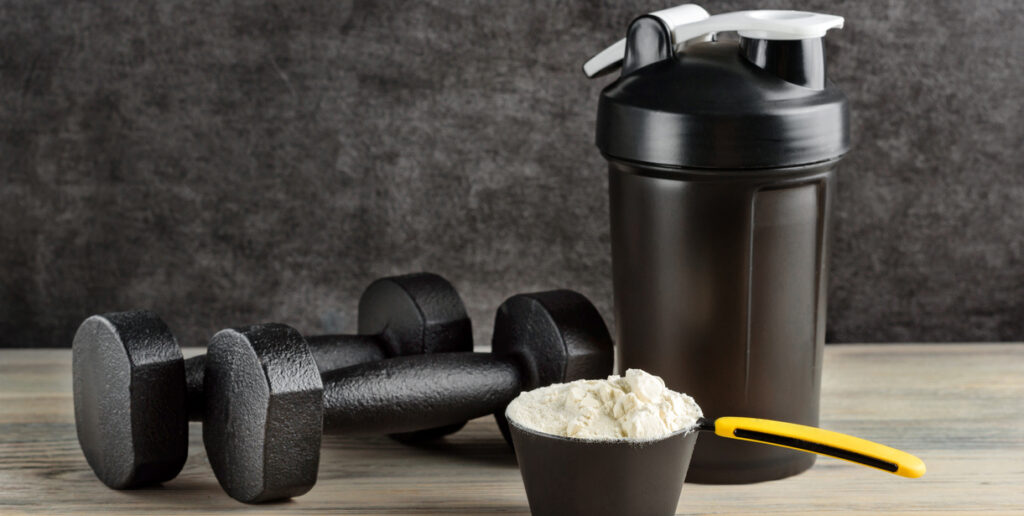
The honest answer is: no, you do not need supplements to build muscle. Supplements are exactly what the name says — they supplement a good diet and training program. They are not a shortcut, and no supplement will compensate for poor sleep, inconsistent training, or not eating enough protein.
That said, a few supplements have solid scientific evidence behind them. Creatine monohydrate is the most researched and most effective legal supplement for building muscle and strength. It helps your muscles produce more energy during heavy lifts, letting you do more reps and lift more weight over time. A simple dose of 3 to 5 grams per day is all you need.
Whey protein is another convenient option — not because it is magical, but because it is an easy way to hit your daily protein target. Caffeine before training can improve focus and performance. Beyond these three, most other supplements are largely unnecessary for the average man trying to build muscle.
Lifestyle Habits That Boost Muscle Growth
Manage Stress to Protect Your Testosterone
Chronic stress raises cortisol levels in your body. Cortisol is a hormone that, when elevated for long periods, actively breaks down muscle tissue and suppresses testosterone production. In other words, being constantly stressed is one of the fastest ways to sabotage your muscle-building efforts even if your training and diet are perfect.
Find stress management habits that work for you — whether that is daily walks, meditation, journaling, or just switching off from work at a reasonable hour. Your hormones will thank you, and so will your muscles.
Stay Hydrated Every Day
Muscle tissue is roughly 75 percent water. Even mild dehydration can reduce your strength by 10 to 15 percent and make you feel tired and sluggish in the gym. Drink at least 2.5 to 3.5 litres of water per day, and more on training days or when the weather is hot.
Be Consistent Over the Long Term
Building meaningful muscle takes time. A realistic expectation for a natural lifter is gaining between 1 to 2 kg of lean muscle per month in the early stages, slowing down as you become more advanced. The men who build impressive physiques are not the ones who trained the hardest for 8 weeks — they are the ones who showed up consistently for years.
Stop looking for the perfect program or the magic diet. The best workout plan is the one you enjoy enough to stick with. Visit MensBuddy for workout plans, meal ideas, and everything you need to stay on track for the long run.
Frequently Asked Questions
How long does it take to build noticeable muscle?
Most men start noticing visible changes within 8 to 12 weeks of consistent training and proper nutrition. Significant changes that others notice typically take 4 to 6 months. Building an impressive physique is a journey of 1 to 3 years, but the changes along the way are very rewarding.
Can I build muscle without going to the gym?

Yes, you can build muscle at home using bodyweight exercises like push-ups, pull-ups, dips, and squats — especially if you are a beginner. However, to keep making progress over time, you will eventually need access to progressively heavier weights, which is where a gym or a set of dumbbells and a barbell at home becomes very helpful.
How much protein do I really need to build muscle?
Current research suggests that 1.6 to 2.2 grams of protein per kilogram of bodyweight per day is the optimal range for muscle growth. Going higher than 2.2g/kg does not seem to provide extra benefit for most men, so there is no need to force-feed yourself protein beyond that range.
Is cardio bad for building muscle?
Cardio is not bad for building muscle when done in moderation. Light to moderate cardio — like 2 to 3 sessions of 20 to 30 minutes per week — can improve heart health, aid recovery, and even support muscle building by improving nutrient delivery. Excessive cardio, especially long-distance running, can interfere with muscle growth if it burns too many calories or causes too much fatigue.
What is the best time to work out for muscle growth?
The best time to work out is whenever you can do it consistently and with full energy. Research shows that afternoon workouts may have a slight performance advantage due to higher body temperature and peak testosterone levels, but the difference is small. Consistency matters far more than timing.
Should I do high reps or low reps to build muscle?
Both work. Research shows that muscle growth can be stimulated across a wide rep range — from as low as 5 reps to as high as 30 reps — as long as you are training close to failure. A combination of both heavy, low-rep work and moderate-to-high-rep work in your training program tends to give the best overall results.