


Growing a thick, impressive beard is one of the most powerful ways to enhance your masculinity and personal style. However, not all men find beard growth equally easy. Genetics, age, nutrition, and grooming habits all influence how quickly and fully your beard grows. The good news is that with the right approach, nearly every man can grow a significantly thicker beard than he currently has.
This comprehensive guide reveals exactly what you need to do to grow a thick, full beard in six months or less. You will learn the science behind facial hair growth, proven strategies that accelerate beard development, and daily grooming practices that maximize thickness and density.
The Science of Beard Growth: How Facial Hair Actually Grows
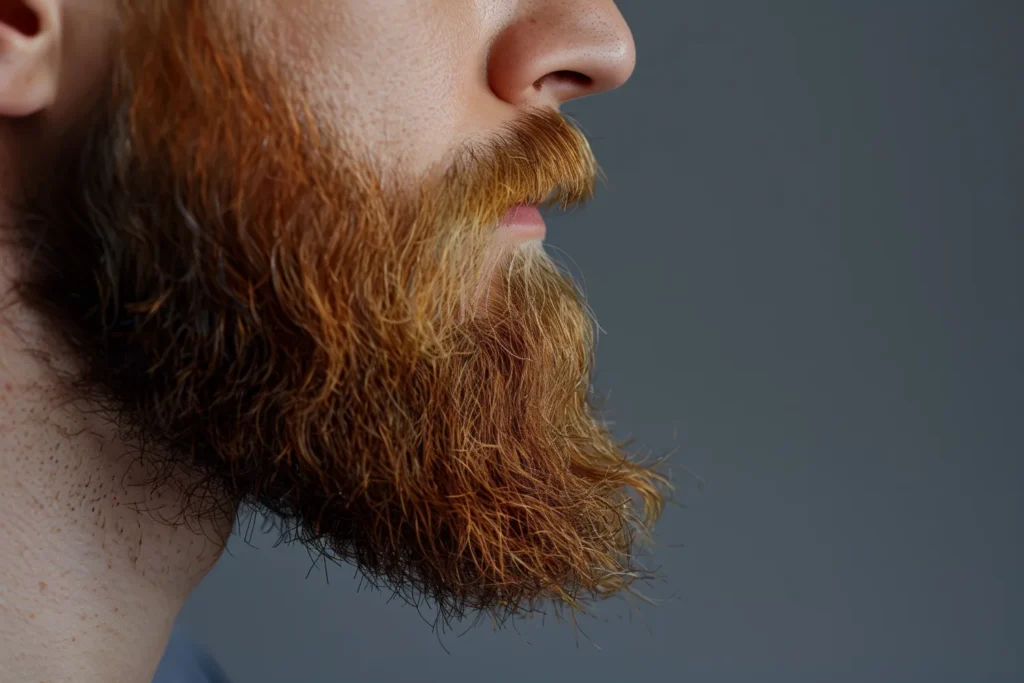
Understanding how your beard grows helps you take appropriate action. Beard growth is controlled primarily by testosterone and a more potent derivative called dihydrotestosterone (DHT). Research from the International Journal of Dermatology shows that facial hair density and growth rate are largely genetically determined, but can be significantly improved through lifestyle optimization.
Beard Growth Cycle
Your beard grows in cycles. The anagen phase lasts 2 to 6 years during which the hair actively grows. The catagen phase is a brief transition lasting 2 to 3 weeks. The telogen phase lasts 3 to 4 months when hair rests before falling out. Understanding this timeline helps you maintain realistic expectations. Most men need 3 to 6 months minimum for their beard to reach a full, thick appearance as the full anagen cycle progresses.
Step 1: Optimize Nutrition for Beard Growth
Your beard grows from the inside out. What you eat directly impacts beard thickness, growth speed, and quality. Specific nutrients are essential for healthy beard development.
Biotin and B Vitamins
Biotin, a B vitamin, strengthens hair and promotes growth. Studies show that men deficient in biotin experience slower beard growth and weaker hair structure. Consume biotin-rich foods including almonds, eggs, sweet potatoes, and spinach. A daily biotin supplement of 2.5 mg can provide additional support if your diet is lacking.
Protein and Amino Acids
Hair is primarily composed of a protein called keratin. Consuming adequate protein ensures your body has the building blocks for robust beard growth. Aim for 0.8 to 1 gram of protein per pound of body weight daily from sources like chicken, fish, beef, eggs, and legumes.
Zinc, Iron, and Vitamin D
Zinc deficiency directly impairs hair growth. Iron carries oxygen to hair follicles. Vitamin D regulates hair growth cycles. Ensure adequate intake through oysters, beef, pumpkin seeds, fortified dairy, and safe sun exposure or supplementation.
Step 2: Commit to Not Trimming for 3 Months
The biggest mistake men make when growing beards is trimming too frequently. Avoid all trimming for the first three months to allow your beard to fully develop. Many men think their beard looks patchy or thin during months one and two, but patience through this phase is essential. By month three, these patches typically fill in completely as the beard grows longer and fuller. After three months, you can trim edges monthly to maintain a groomed appearance while continuing growth.
Step 3: Daily Beard Care Routine

Wash with Beard Shampoo
Use specialized beard shampoo rather than regular hair shampoo. Beard hair is coarser and requires different care. Wash your beard three to four times weekly with lukewarm water. Hot water strips natural oils that protect and strengthen beard hair.
Apply Beard Oil
Beard oil moisturizes facial hair, promotes growth, and prevents itchiness. Apply oil daily, especially in the morning and evening. Quality beard oils contain ingredients like jojoba oil, argan oil, and essential oils that nourish the beard and underlying skin.
Use Beard Balm for Styling
Beard balm styles your beard while providing additional nourishment. Apply a small amount to your beard after washing and conditioning, working it through the hair. A quality beard balm helps shape your beard while maintaining its health.
Step 4: Maintain Overall Health
General health directly impacts beard growth. Stress, poor sleep, and lack of exercise slow beard development by disrupting hormonal balance. Prioritize seven to nine hours of sleep nightly, exercise regularly, manage stress through meditation or yoga, and maintain overall wellness.
Exercise and Testosterone
Strength training increases testosterone, which directly accelerates beard growth. Aim for at least three resistance training sessions weekly, focusing on compound movements like squats, deadlifts, and bench press. Higher testosterone means faster, thicker beard development.
What to Expect Timeline
Months 1-2: The Awkward Phase
Your beard will appear patchy, thin, and uneven. The urge to trim is strong, but resist it. Your beard is growing; it simply hasn’t filled in completely yet. Stay committed through this awkward phase.
Months 3-4: Filling In
Patches begin filling in as your beard reaches sufficient length. You can now begin light trimming of edges while maintaining growth. Your beard appears noticeably fuller and more defined.
Months 5-6: Full Thickness
By six months, most men achieve a significantly thicker, fuller beard than they thought possible. Regular trimming maintains shape and health while you continue growing. Your beard now demonstrates impressive density and presence.
Conclusion
Growing a thick, full beard in six months is absolutely achievable by combining proper nutrition, patience during the growth phase, daily beard care, and overall health maintenance. The most critical factor is resisting the temptation to trim during the first three months. Follow this guide consistently, and you will transform your beard into something you are genuinely proud of.