

I used to wear five hours of sleep like a badge of honor. Up at 5 a.m. for the gym, in bed past midnight answering emails, and somehow proud of it — like exhaustion was proof I was working harder than everyone else. Then a routine blood panel came back with testosterone numbers that made my doctor ask, unprompted, “How much are you actually sleeping?”

That one question did more for my health than any supplement I’ve ever bought. I went home that night and actually did the math. Seven days a week, five to six hours a night, for years. Not a rough patch — a lifestyle. And the frustrating part is I didn’t feel like I was in crisis. I felt “fine,” which, as you’ll see below, is exactly the trap.
Most men treat sleep as the thing you sacrifice when everything else in life gets busy. We obsess over macros, training splits, and morning routines, but the habit that quietly determines whether all of that actually works — rest — gets pushed to the bottom of the list. This guide breaks down what sleep actually does for your body, how much you really need, and the specific habits that separate men who wake up sharp from men who wake up dragging.
Why Sleep Matters More Than You Think
Sleep is not downtime. It’s when your body does the repair work that everything else you do during the day depends on. Skip it, and you’re not “toughing it out” — you’re quietly undoing the training, the diet, and the discipline you worked for that day.
Research from the University of Chicago has shown that even modest sleep restriction — five hours a night for one week — measurably lowers testosterone levels in healthy young men. That matters more than most men realize, since testosterone affects muscle recovery, mood, and focus, not just libido. If you have ever wondered why you feel flat despite training hard and eating well, our guide on the early warning signs of low testosterone is worth reading alongside this one, because the two issues are more connected than they appear.
Sleep also governs appetite regulation. Poor sleep raises ghrelin, the hormone that drives hunger, while suppressing leptin, the hormone that signals fullness. This is one of the quiet reasons diets fail: it’s not always a willpower problem, it’s a five-hours-of-sleep problem. Anyone currently experimenting with intermittent fasting should pay particularly close attention here, because fasting on top of poor sleep tends to backfire, leaving you both under-fed and under-rested at the same time.
And it’s not just hormones. Sleep is when your brain clears out metabolic waste products that build up during waking hours, consolidates memory, and resets your emotional baseline. Ever notice how a bad night makes small annoyances feel unbearable the next day? That’s not you being “soft.” That’s a sleep-deprived amygdala running the show instead of your prefrontal cortex.## How Much Sleep Men Actually Need
The seven-to-nine-hour range you’ve heard from every wellness article isn’t a suggestion — it’s where the research consistently lands for most adult men. The National Sleep Foundation places the ideal range at seven to nine hours for adults aged 18 to 64, with performance and cognitive testing showing measurable declines below seven hours, even when people report feeling fine.
That last part is the trap: sleep debt doesn’t always feel like sleep debt. You adapt to feeling groggy and start to think of it as your baseline, when it’s actually a slow erosion of your baseline. I thought I was just “not a morning person” for close to a decade. Turns out I was just chronically underslept.
If you train seriously, lean toward the higher end of that range rather than the lower one. Athletes recovering from intense training generally need eight to ten hours, since muscle repair and glycogen replenishment both happen predominantly during deep sleep stages. If you’re grinding through a hard training block and still capping yourself at six hours, you’re not being efficient — you’re leaving gains on the table that no amount of protein powder will make up for.

The Evening Routine That Sets Up Better Sleep
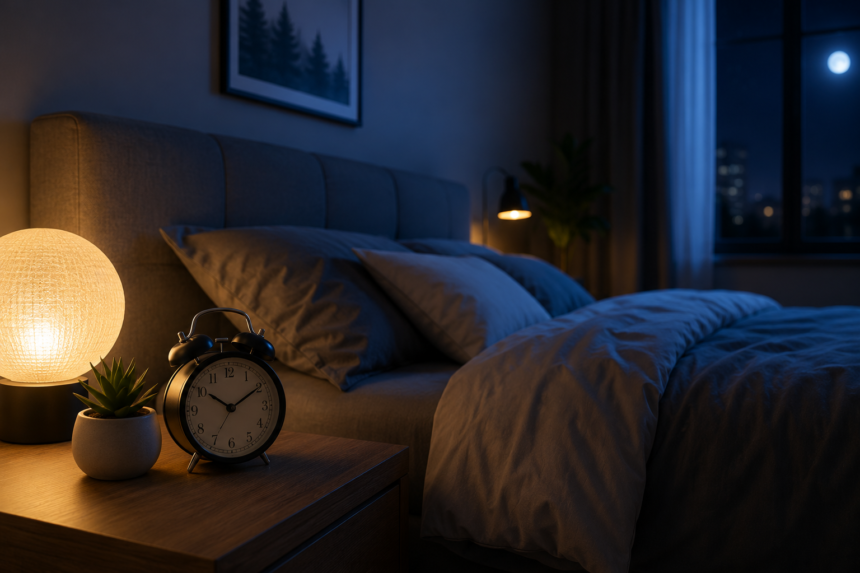
If you already follow a structured morning routine, you already understand the core idea here: intentional habits, repeated consistently, do more for you than willpower ever will. The same logic applies in reverse at night — and honestly, your morning routine only works as well as the night before it.Dim the lights 90 minutes before bed. Bright artificial light, especially the blue light from phones and laptops, suppresses melatonin production. Research from Harvard Medical School has linked evening blue light exposure to delayed sleep onset and reduced deep sleep. Switching to warm, dim lighting in the evening signals to your brain that the day is winding down. A cheap lamp with a warm bulb on your nightstand does more for your sleep than most supplements marketed for the same purpose.
Set a consistent wind-down window. Going to bed at wildly different times each night confuses your circadian rhythm more than simply sleeping fewer hours on a consistent schedule. Pick a bedtime and a wake time, and hold both steady, even on weekends. Your body doesn’t care that it’s Saturday.
Keep your last meal at least two to three hours before bed. Eating too close to bedtime forces your body to prioritize digestion over the deep restorative sleep stages. This pairs directly with what we’ve covered on morning routines built around structure: the habits that make your mornings work are, in large part, the habits you set up the night before.
Cut caffeine earlier than you think you need to. Caffeine has a half-life of five to six hours, meaning a 3 p.m. coffee still has meaningful amounts of caffeine in your system at 9 p.m. If you’re regularly tired but wired at bedtime, your afternoon coffee is a more likely culprit than stress.
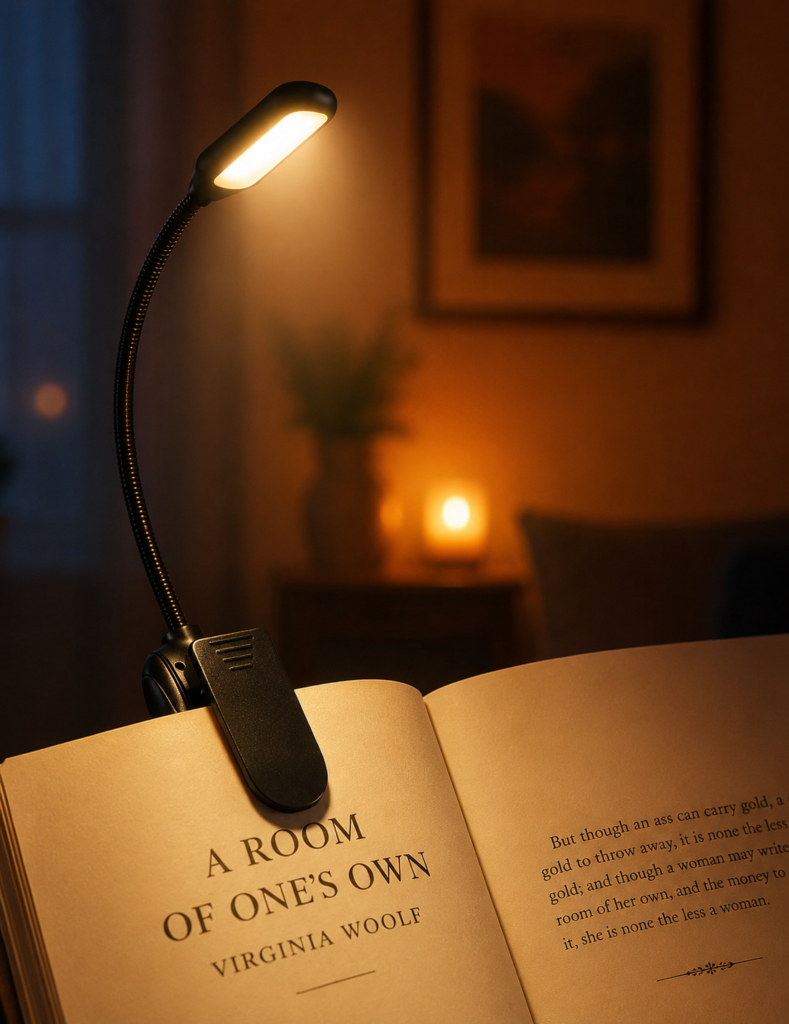
Give yourself a real wind-down ritual, not just an absence of screens. Staring at the ceiling waiting to feel sleepy isn’t a routine. Read a physical book, stretch, journal for five minutes, or just sit somewhere dim without a task attached to it. The goal isn’t to force sleep — it’s to signal to your nervous system that it’s safe to power down.
What’s Quietly Wrecking Your Sleep
A few habits sabotage sleep quality without most men ever connecting the dots.
Alcohol before bed. Alcohol may help you fall asleep faster, but it fragments sleep architecture, cutting into the deep and REM stages that matter most for recovery. A “good night’s sleep” after a few drinks is often an illusion — you were unconscious, not rested. You’ll wake up the same number of hours later and still feel like you got hit by a truck.
Scrolling in bed. Beyond the blue light issue, using your phone in bed trains your brain to associate your bed with stimulation and alertness rather than rest, making it harder to wind down even without a screen in hand. If you’ve ever noticed you get a jolt of anxious energy the second you lie down and open your phone, that’s not a coincidence — that’s a learned association you’ve built one night at a time.
Weekend catch-up sleep. Sleeping in until noon on Saturday to “pay off” a week of short nights disrupts your circadian rhythm further and makes Sunday night insomnia more likely. Consistency beats compensation, even though catching up feels like it should work.
Training too late, too hard. An intense workout raises core body temperature and cortisol right when you need both to be dropping. If you can, push heavy training sessions earlier in the day, and treat evening exercise as light movement rather than a max-effort session.
Fixing Your Bedroom Environment
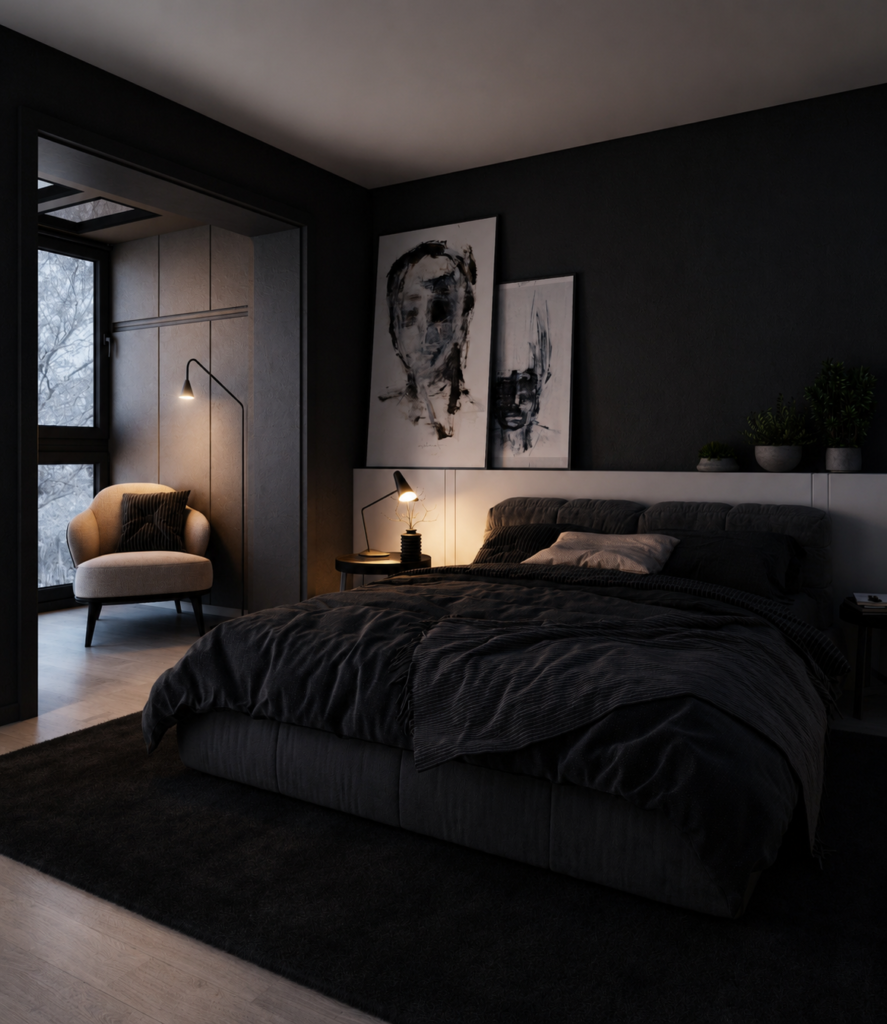
Temperature matters more than most men give it credit for. Research from the Sleep Foundation points to 60 to 67°F (15 to 19°C) as the optimal bedroom temperature range for most adults, since your core body temperature naturally drops as part of falling asleep, and a warm room fights that process.Darkness matters just as much. Even small amounts of ambient light — a phone charger LED, streetlight through a gap in the curtains — can measurably disrupt melatonin production. Blackout curtains and covering small electronic lights are a low-effort, high-impact fix.
Noise is the third pillar people underrate. You might not wake up fully from a passing car or a partner’s phone buzzing, but your sleep architecture still takes a hit — micro-arousals pull you out of deep sleep without you ever remembering it happened. A cheap white noise machine or a fan running consistently through the night can smooth these disruptions out.
Naps, Weekends, and the Myth of “Catching Up”
A short nap — 20 to 30 minutes, ideally before 3 p.m. — can genuinely help recovery and alertness without messing with nighttime sleep. Anything longer, or later in the day, tends to push your bedtime back and start the whole cycle over again.
As for “sleeping in” to make up for a rough week: it helps a little, physiologically, but it’s a patch, not a fix. The men who actually feel rested aren’t the ones who nail one perfect 10-hour night on Sunday — they’re the ones who string together seven reasonably consistent nights in a row.
Tracking Your Sleep Without Becoming Obsessed
A basic wearable or phone app can be genuinely useful for spotting patterns — noticing that your deep sleep tanks on nights you drink, for example, or that your resting heart rate spikes after a late workout. Use it as a mirror, not a scoreboard. Men who start treating their sleep score like a grade to optimize every single night often end up more anxious about sleep, which — ironically — makes it worse. If the data is stressing you out more than it’s helping you, it’s doing the opposite of its job.
When Poor Sleep Signals Something Bigger
Occasional bad nights are normal. But if you are consistently exhausted despite spending seven-plus hours in bed, waking up gasping or with a headache, or your partner mentions loud snoring or pauses in your breathing, these can be signs of sleep apnea — a condition far more common in men, particularly those carrying extra weight around the neck and midsection, than most people assume.
This is not something to power through. A sleep study through your doctor is a quick, non-invasive way to rule it out, and treating it can be one of the single highest-leverage health decisions you make in a given year.
Conclusion
Sleep is not the passive, optional half of your health routine — it’s the foundation the rest of it stands on. Testosterone, appetite regulation, muscle recovery, mood, and focus all run through the same seven-to-nine-hour window most men are quietly shortchanging.
You don’t need a complicated system to fix it: a consistent schedule, a dimmer, cooler bedroom, and cutting caffeine and alcohol closer to bedtime will get you most of the way there. Treat your next seven nights of sleep with the same intention you’d bring to a training block, and pay attention to how much of your “productivity problem” or “motivation problem” quietly disappears.