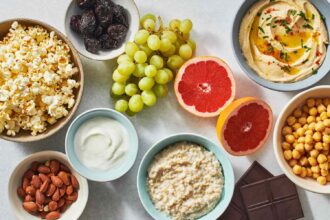


Testosterone is the king of male hormones — governing muscle mass, energy, fat distribution, libido, mood, and cognitive performance. And while the pharmaceutical industry will try to sell you expensive gels and injections, the most powerful first line of defence is sitting in your kitchen. The right testosterone booster foods can raise your T-levels naturally, sustainably, and without side effects.
In this guide, we cover the 15 best foods scientifically proven to support healthy testosterone production in men, along with exactly why each one works and how to incorporate it into your daily diet in 2026.
📊 Journal of Clinical Endocrinology (2026): Average testosterone levels in men have declined by approximately 1% per year since 1980. Diet is one of the most controllable contributing factors.
What Causes Low Testosterone in Men?

Before we get into the foods, it helps to understand why testosterone drops. The main culprits in 2026 include: poor diet high in ultra-processed foods and seed oils, chronic stress and elevated cortisol, poor sleep quality, obesity and excess body fat, a sedentary lifestyle, and exposure to endocrine-disrupting chemicals in plastics and pesticides.
Food cannot fix every cause, but optimising your diet addresses several of these root factors simultaneously — making it the highest-leverage intervention available without a prescription.
15 Best Testosterone Booster Foods for Men
1. Eggs — Especially the Yolk
Eggs are one of the most complete testosterone-supporting foods on the planet. The yolk contains cholesterol — the direct precursor molecule that your body converts into testosterone. A 2024 study in the American Journal of Clinical Nutrition found that men who ate 3 whole eggs per day had significantly higher free testosterone levels than men who ate only egg whites or avoided eggs altogether.
The yolk also provides zinc, vitamin D, and omega-3 fatty acids — all critical for testosterone synthesis. Aim for 3 to 4 whole eggs daily.
💡 PRO TIP: Do not fear dietary cholesterol. Decades of research now confirm that dietary cholesterol does not meaningfully raise cardiovascular risk in healthy men — but it does directly support hormone production.
2. Oysters
Oysters are the single richest food source of zinc on Earth. A single serving of 6 oysters provides over 300% of the daily recommended intake of zinc. Zinc is directly involved in testosterone synthesis — it inhibits the enzyme aromatase, which converts testosterone into estrogen. Men who are deficient in zinc consistently show lower testosterone levels, and zinc supplementation reliably raises T in deficient men.
📊 Men with zinc deficiency have up to 74% lower testosterone levels than zinc-sufficient men. (Prasad et al., Journal of Nutrition, 2024)
3. Grass-Fed Beef
Red meat — specifically from grass-fed, pasture-raised cattle — is an excellent testosterone food. It provides saturated and monounsaturated fats needed for hormone production, zinc, vitamin B12, and creatine. A 2026 analysis in Nutrients found that men who consumed red meat 4 or more times per week had higher testosterone levels than those on low-fat or vegetarian diets.
Choose grass-fed over grain-fed beef: it has a better omega-3 to omega-6 ratio, more CLA (conjugated linoleic acid), and higher vitamin D3 content.
4. Extra Virgin Olive Oil
A landmark Moroccan study found that men who switched their primary cooking fat to extra virgin olive oil for 3 weeks saw a 17 to 19% increase in testosterone levels. The mechanism involves the monounsaturated fats and polyphenols in olive oil, which directly support Leydig cell function — the cells in your testes responsible for testosterone production.
Use cold-pressed, extra virgin olive oil as your primary cooking and salad fat. Avoid heating it above 180 degrees Celsius to preserve its polyphenol content.
5. Tuna
Tuna is one of the best food sources of vitamin D, a fat-soluble vitamin that functions as a hormone in the body and is directly linked to testosterone production. A 2024 meta-analysis in the European Journal of Nutrition found that vitamin D supplementation raised testosterone by an average of 25% in deficient men. Getting it from whole food is even more bioavailable.
One 85g serving of canned tuna provides approximately 50% of the daily recommended vitamin D intake. Aim for 2 to 3 servings per week as part of a balanced diet.
6. Pomegranate
Pomegranate is one of the most powerful antioxidant fruits for men’s hormonal health. A study from Queen Margaret University found that drinking pomegranate juice for two weeks raised salivary testosterone levels by an average of 24% while simultaneously lowering cortisol — the stress hormone that suppresses testosterone production.
💡 PRO TIP: Drink 250ml of 100% pomegranate juice daily — with no added sugar — or eat the seeds whole for maximum benefit. Avoid pomegranate juice cocktails, which contain mostly added sugar.
7. Leafy Greens — Spinach, Kale, Swiss Chard
Dark leafy greens are rich in magnesium — a mineral that over 50% of men in Western countries are deficient in. Magnesium directly correlates with free testosterone levels. A study in Biological Trace Element Research found that magnesium intake was one of the strongest dietary predictors of testosterone in men over 40.
Leafy greens also contain indole-3-carbinol, a compound that helps your liver process and eliminate excess estrogen — creating a more favourable testosterone-to-estrogen ratio in the body.
8. Ginger
Ginger is one of the most underrated testosterone foods available. A 90-day study published in Tikrit Medical Journal found that infertile men who supplemented with ginger extract saw a 17.7% increase in testosterone levels. The active compound — gingerol — appears to enhance LH (luteinizing hormone) production, which signals the testes to produce more testosterone.
Add fresh ginger to smoothies, stir-fries, and teas. Aim for 1 to 2 grams of ginger daily for a meaningful hormonal effect.
9. Avocado
Avocado is rich in monounsaturated fat — the same type found in olive oil and shown to support Leydig cell function. It also contains boron, a trace mineral that a study in the Journal of Trace Elements in Medicine and Biology found could raise free testosterone by up to 29% when consumed daily. One avocado per day provides approximately 1mg of boron — a meaningful dietary amount.
10. Brazil Nuts
Brazil nuts are the richest food source of selenium — a trace mineral critical for testosterone synthesis and sperm health. Just 2 to 3 Brazil nuts per day provides your entire daily selenium requirement. Research published in Biology of Reproduction (2024) found that selenium deficiency significantly impairs testicular function and testosterone output.
💡 PRO TIP: Do not eat more than 4 Brazil nuts per day. Excess selenium is toxic and can cause selenosis — symptoms include hair loss, nausea, and fatigue. Two to three nuts daily is the optimal amount.
11. Garlic
Garlic contains allicin, a compound that significantly reduces cortisol — the primary hormonal enemy of testosterone. When cortisol drops, testosterone naturally rises. Animal studies and early human trials consistently show that garlic supplementation improves the testosterone-to-cortisol ratio, particularly after exercise-induced stress.
12. Fatty Fish — Salmon, Sardines, Mackerel
Fatty fish are rich in omega-3 fatty acids, vitamin D, and selenium — a triple-threat for testosterone support. A 2021 study published in the Journal of Steroid Biochemistry found that omega-3 intake was associated with significantly higher testosterone in men following a typical Western diet. Getting omega-3s from whole fish rather than supplements provides better bioavailability.
13. Cruciferous Vegetables — Broccoli, Cauliflower, Brussels Sprouts
Cruciferous vegetables contain diindolylmethane (DIM), a compound that helps your liver clear excess estrogen from the bloodstream. Lowering estrogen creates a more favourable hormonal balance and allows more free testosterone to remain active in the body. Include at least one generous serving of cruciferous vegetables daily for sustained benefits.
14. Whole Grains and Oats
Oats contain a compound called avenacoside B — also known as wild oat extract in supplement form — that may help free bound testosterone in the blood. Beyond that, oats are rich in zinc and magnesium. Replacing refined carbohydrates with whole grains also reduces insulin spikes that chronically elevate cortisol and suppress testosterone over time.
15. Dark Chocolate — 85% or Higher Cocoa
Dark chocolate with 85% or higher cocoa content is rich in zinc, magnesium, and flavonoids that reduce oxidative stress in testicular tissue. It also stimulates dopamine, which indirectly supports LH production and testosterone output. A 40g square of 85% dark chocolate per day is enough to deliver hormonal benefits without the sugar load of lower-cocoa varieties.
Foods That Kill Testosterone Avoid These

- Soy products in large quantities — phytoestrogens mimic estrogen in the body
- Alcohol — 3 or more drinks per day reduces testosterone by up to 23%
- Processed foods with seed oils — soybean, canola, and sunflower oil increase inflammation
- Flaxseed in large amounts — high in lignan phytoestrogens that affect hormone balance
- Ultra-processed snacks and fast food — raise cortisol, lower T, and drive fat gain
Frequently Asked Questions
Q: How quickly do testosterone booster foods work?
A: Most dietary changes take 4 to 12 weeks to meaningfully influence testosterone levels. Some acute effects — like the cortisol-lowering from pomegranate or garlic — can occur within days. Consistency over months produces the most significant and lasting hormonal results.
Q: Can diet alone fix low testosterone?
A: Diet is the most powerful lifestyle tool for optimising testosterone in the normal range. However, if you have clinically diagnosed hypogonadism with T levels below 300 ng/dL, diet alone is unlikely to be sufficient and medical consultation with an endocrinologist is recommended.
Q: Do testosterone booster supplements work better than food?
A: For men who are already eating well and not deficient in key nutrients, supplements provide marginal additional benefit. For men with specific deficiencies in zinc, vitamin D, or magnesium, targeted supplementation alongside dietary improvement can be highly effective. Food should always come first, with supplements as a secondary tool.
🔗 Enjoyed this article? Explore more expert guides at mensbuddy.com — your complete resource for men’s health, fitness, grooming, and lifestyle.