


Why muscle is the variable most plans ignore
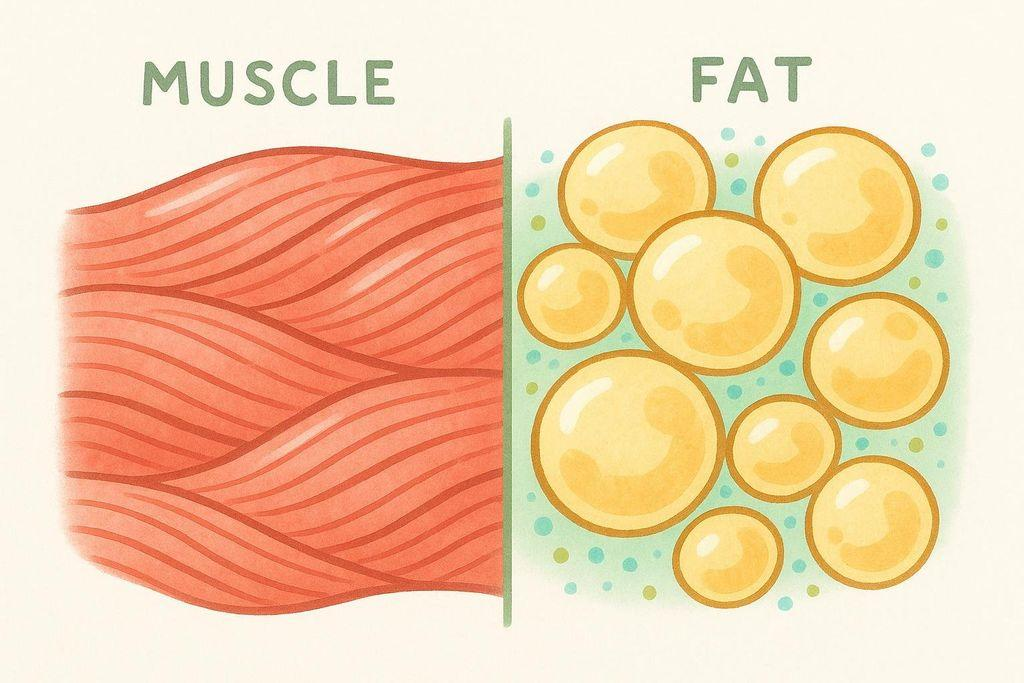
Most weight-loss advice treats the scale as the only scoreboard. That’s a mistake. When you eat in a calorie deficit, your body doesn’t pull energy exclusively from fat stores — depending on how the deficit is built, a meaningful share of the weight lost can come from lean tissue instead.
That matters for more than aesthetics. Muscle is metabolically active tissue, meaning it burns calories even at rest. Lose enough of it and your resting metabolic rate drops, which is a major reason so many people find it progressively harder to keep weight off after repeated diets.
The goal of body recomposition isn’t just “lose weight” — it’s to shift the ratio of what’s lost, so the number on the scale reflects fat loss as closely as possible. Four levers control that ratio: the size of your calorie deficit, how much protein you eat, whether you’re doing resistance training, and how well you sleep and manage stress. Get those right and the rest of your routine — cardio, meal timing, supplements — becomes fine-tuning rather than foundation.
How energy balance actually works
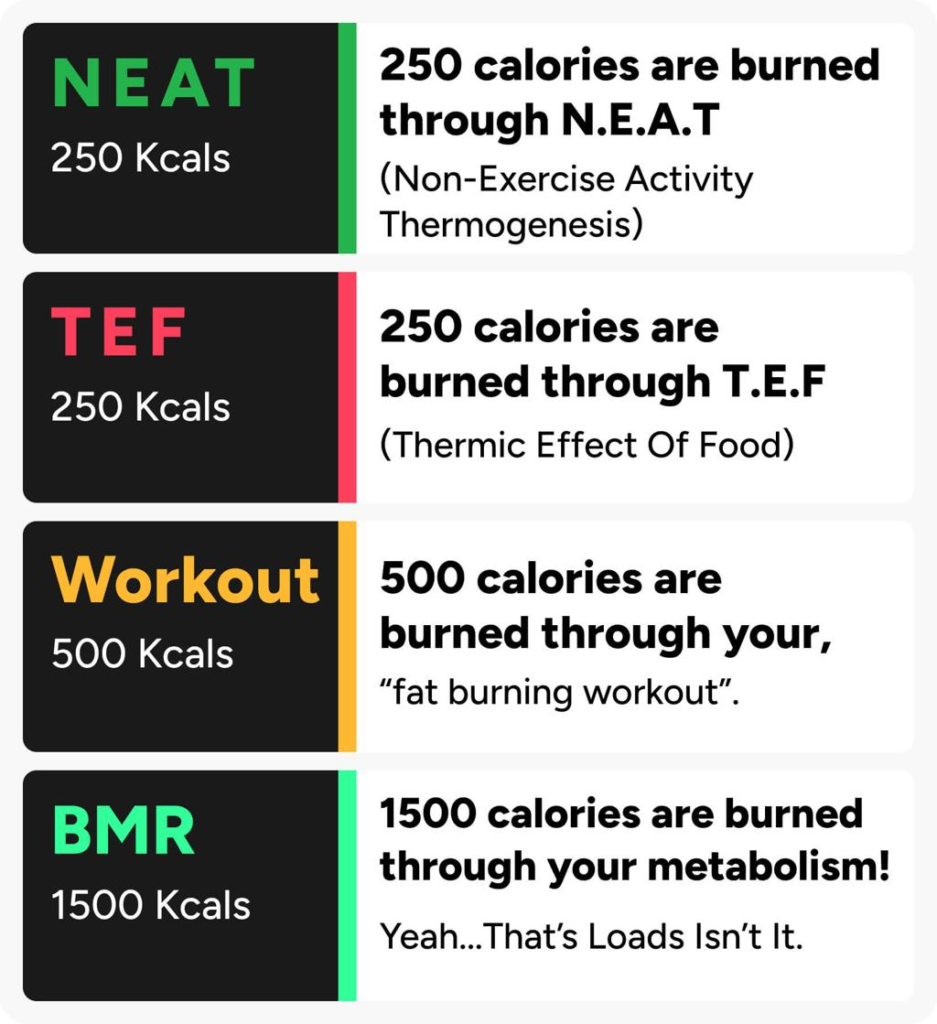
Weight change is ultimately governed by the gap between energy in and energy out — but “calories out” isn’t a fixed number. It’s made up of your basal metabolic rate (the energy your body burns just existing), the thermic effect of food (energy spent digesting what you eat), non-exercise activity thermogenesis or NEAT (fidgeting, walking, posture — often the biggest variable between two people of similar size), and exercise itself.
The tricky part is that this system adapts. As you lose weight, your metabolic rate drops for two reasons: a smaller body simply needs less energy, and NEAT tends to decline unconsciously — people fidget less, walk slightly less, and sit more once they’re in a sustained deficit. This is often called metabolic adaptation, and it’s the reason a deficit that worked well in week two might stall by week eight even if nothing on paper has changed. It isn’t a sign of a “broken metabolism” — it’s a normal, predictable response that a good plan accounts for by adjusting food intake or activity every few weeks, rather than setting one number and never revisiting it.
Coach’s Note A stalled scale doesn’t always mean a stalled diet. Before cutting calories further, check whether sleep, stress, or sodium intake shifted first — water retention alone can mask two or three weeks of real fat loss.
Step 1 — Set a deficit that doesn’t sabotage you
Aggressive deficits feel appealing because they promise faster results, but they tend to backfire in a specific way: the larger the deficit, the higher the proportion of lean mass lost alongside fat. Mayo Clinic recommends targeting roughly 500 to 750 calories below maintenance per day, which translates to a loss of about 1 to 2 pounds, or 0.5 to 1 kilogram, a week over the long term. The CDC frames the same range in terms of outcomes rather than just speed: people who lose weight at a gradual, steady pace of about 1 to 2 pounds a week are more likely to keep the weight off than those who lose it faster.
This isn’t just patience for its own sake. Losing weight quickly tends to come from water and lean tissue rather than fat, which is misleading on the scale and can leave someone lighter but not actually leaner — while also increasing the odds of regaining the weight once normal eating resumes. If you want a starting benchmark, aim for the low-to-moderate end of that range rather than the maximum: a slower deficit gives your body more room to preserve muscle while it adapts.
A simple way to find your number:
- Estimate maintenance calories (an online TDEE calculator from age, weight, height, and activity level is a fine starting estimate, not gospel).
- Subtract 500 calories for a moderate, sustainable deficit.
- Track your weekly average weight for two to three weeks.
- If the trend isn’t moving down by roughly 0.5–1% of body weight per week, adjust intake down slightly or add activity — don’t slash calories dramatically in one move.
Step 2 — Protein is the lever that actually matters
If there’s one dietary change that does more for body recomposition than any other, it’s raising protein intake — and the research here is unusually consistent across different labs and populations.
A systematic review and meta-analysis covering nearly 2,000 participants across 28 trials found that higher protein intake significantly prevents muscle mass decline in adults with overweight or obesity who are trying to lose weight, with intake below 1.0 gram per kilogram of body weight per day associated with a higher risk of muscle loss, and intake above roughly 1.3 g/kg expected to actually increase muscle mass during the diet. Sports nutrition researchers generally recommend going higher still for anyone training seriously: a commonly cited target for people in a calorie deficit is 1.6 to 1.8 grams per kilogram for regular lifters, moving toward the higher end of that range while cutting, since higher protein intake supports fat loss, appetite control, and muscle retention simultaneously, particularly alongside exercise.
Two practical details matter beyond the daily total:
- Distribution. Research on muscle protein synthesis suggests that spreading protein across meals, with each meal reaching somewhere around 20 to 40 grams, produces better results than front- or back-loading intake into one or two large servings.
- Age and training status. Older adults and beginners tend to benefit from the higher end of the range because muscle becomes more resistant to the anabolic signal from protein as we age — researchers call this anabolic resistance. One review of elderly populations found that an intake of 1.0 to 1.2 grams per kilogram per day is more effective for preserving lean muscle mass and strength in older adults than the standard 0.8 g/kg guideline.
| Body weight | Daily target (1.6 g/kg) | Per meal (4 meals) |
|---|---|---|
| 70 kg / 154 lb | ~112 g | ~28 g |
| 80 kg / 176 lb | ~128 g | ~32 g |
| 90 kg / 198 lb | ~144 g | ~36 g |
| 100 kg / 220 lb | ~160 g | ~40 g |
Good everyday sources: chicken breast or thigh, eggs and egg whites, Greek yogurt and cottage cheese, white fish and salmon, lean beef and pork loin, tofu and tempeh, lentils and beans, and a whey or plant protein shake to fill gaps.
If you’re mostly plant-based, the target doesn’t change, but the strategy does: combine sources across the day (grains with legumes, for instance), lean on higher-protein plant foods like tofu, tempeh, seitan, and edamame, and consider that plant proteins are often somewhat less bioavailable than animal sources, meaning aiming slightly above the standard range can be a reasonable buffer.
Step 3 — Train to keep what you have
Diet alone can slow muscle loss during a deficit; resistance training is what actually gives your body a reason to hold onto it. Without a mechanical stimulus telling your muscles they’re still needed, a calorie deficit reads as a straightforward signal to shed tissue that costs energy to maintain — and muscle is expensive tissue.
Mayo Clinic’s general weight-loss guidance recommends strength training exercises at least twice a week alongside aerobic activity, but for someone specifically trying to protect muscle during a cut, twice weekly is a floor, not a target. Three to four sessions a week built around compound, multi-joint lifts — squats, deadlifts, rows, presses — recruit more total muscle mass per session and give a stronger stimulus than isolation work alone.
A simple weekly split that works for most people in a deficit:
Day 1 — Lower bodySquat variation, hip hinge (deadlift or RDL), lunges, calf work.
Day 2 — Upper pushBench or overhead press, dips, triceps work.
Day 3 — Upper pullRows, pull-ups or lat pulldown, biceps work.
Day 4 — OptionalFull body or weak-point day, plus accessory work.
Progressive overload still matters in a deficit — you won’t always be able to add weight, but you can often add a rep, tighten your form, or reduce rest between sets, all of which keep sending the “stay muscular” signal even while calories are down.
Cardio still has a place, but it’s a supporting one. Steady-state aerobic work burns additional calories and supports cardiovascular health, but it doesn’t send the same muscle-preservation signal that lifting does. If time is limited, prioritize the weight room first and add two to three 20–30 minute cardio sessions around it, rather than the reverse.

Step 4 — Manage the two hormones that undo everything else
Nutrition and training get most of the attention, but sleep and stress operate on the same hormonal pathways that determine whether a deficit burns mostly fat or eats into muscle.
Poor sleep raises cortisol and disrupts the hunger-and-satiety hormones ghrelin and leptin, which makes a calorie deficit feel harder to sustain and can shift how the body partitions the weight it loses. Chronic psychological stress has a similar effect through sustained cortisol elevation, which favors abdominal fat storage and can accelerate muscle breakdown when combined with a calorie deficit. Neither factor is optional to manage — a technically perfect diet and training plan run on five hours of sleep and constant stress will underperform the same plan run on seven-plus hours and reasonable stress control.
Practical levers here are unglamorous but effective, and they don’t require perfection to matter:
- Fixed sleep and wake times, even on weekends, since this stabilizes the hormones tied to appetite and stress.
- A cooler, darker bedroom, since temperature and light exposure directly affect sleep quality and duration.
- A short wind-down routine — dimming lights and stepping away from screens 30–45 minutes before bed.
- Daily stress outlets like a walk, light stretching, or breathing exercises, which lower baseline cortisol over time.
Aim for seven or more hours most nights. That single change often does more for a stalled deficit than any tweak to macros.

Step 5 — Supplements worth considering (and ones that aren’t)
Supplements are the smallest lever in this entire framework, but a few have decent evidence behind them for exactly this goal:
- Creatine monohydrate (3–5 g/day): one of the most studied supplements in sports nutrition, with consistent evidence for supporting strength and muscle retention, including during periods of calorie restriction.
- Whey or plant protein powder: not magic, just a convenient way to close the gap between what you eat and your daily protein target, especially on busy days.
- Caffeine: can modestly improve training performance and focus, which indirectly supports harder, more productive lifting sessions.
Fat burners, “metabolism boosters,” and most other powders marketed specifically for weight loss have little to no meaningful evidence behind them and mostly substitute for the basics covered above. Money and attention are better spent on food quality, training consistency, and sleep.

Step 6 — Track the right numbers
The scale is the least informative tool available for body recomposition, because it can’t distinguish between fat, muscle, and water. A week where the scale doesn’t move can still be a week of real fat loss if it coincided with muscle gain or water retention from a hard training block.
Better markers, used together rather than in isolation:
- Waist circumference, measured at the same spot weekly — a more direct proxy for visceral fat than total body weight.
- Progress photos, same lighting and pose, every two weeks.
- Strength numbers on your main lifts — if these are flat or rising during a deficit, that’s a strong sign you’re retaining muscle.
- Body weight, but as a weekly average of daily weigh-ins rather than any single reading, to smooth out water fluctuations.
- How clothes fit, an underrated but very real signal, especially in the first month before other metrics move much.
If you want more precision and have access to it, a DEXA scan or skinfold calipers from a trained coach give a direct read on body fat percentage and lean mass — useful every 6–8 weeks as a checkpoint, not something to obsess over weekly.
A full sample week, put together
This isn’t a rigid template, just an illustration of how the pieces above fit together for a moderately active man in a deficit:
Training
MondayLower body (squat, RDL, lunges)
TuesdayUpper push (bench, overhead press, dips)
WednesdayRest or 25-minute walk / easy cardio
ThursdayUpper pull (rows, pull-ups, curls)
FridayFull body / weak-point focus
SaturdayOptional 20–30 min cardio, easy pace
SundayRest, meal prep for the week ahead
Nutrition rhythm
- Meal 1: eggs or Greek yogurt, oats or whole-grain toast, fruit.
- Meal 2: chicken, fish, or tofu with rice or potatoes and vegetables.
- Meal 3 (post-training): lean beef, chicken, or a protein shake with a carb source to support recovery.
- Meal 4: cottage cheese, a salad with a protein source, or a smaller balanced plate depending on remaining calories.
Recovery
- Fixed bedtime and wake time, 7+ hours of sleep most nights.
- One or two short stress-management sessions during the week — a walk, stretching, or breathing practice.
- Weekly check-in: average body weight, waist measurement, and a quick note on whether main lift numbers held or improved.
Troubleshooting: when the plan stops working
The scale hasn’t moved in two weeks. Check sodium intake, recent training intensity, sleep, and stress before touching calories — all four affect water retention enough to mask real fat loss. If the weekly average is genuinely flat after ruling those out, reduce intake by roughly 100–150 calories or add a short daily walk.
Strength is dropping fast. This is the clearest sign the deficit is too aggressive or protein is too low. Add 100–200 calories back, confirm protein is hitting target, and prioritize sleep for a week before judging results.
Hunger feels unmanageable. Push protein and fiber higher at each meal, and consider a slightly smaller deficit — a plan you can’t sustain isn’t actually working, regardless of the math on paper.
Progress stalled after two to three months. This is often metabolic adaptation catching up with a fixed calorie target. Recalculate maintenance based on your current (lower) body weight, or introduce a one- to two-week maintenance break before continuing the deficit — both are legitimate strategies, not failures.
Common mistakes that quietly undo progress
- Cutting calories too aggressively out of impatience. A deficit beyond roughly 750–1,000 calories a day accelerates muscle loss disproportionately and tends to trigger the rebound eating that erases progress.
- Treating protein as optional once “eating healthy.” Vegetables and whole grains matter, but they don’t substitute for adequate protein when the specific goal is muscle retention.
- Dropping resistance training to “save energy” for cardio. This is backward — cardio is the more expendable piece for someone trying to protect muscle, not the reverse.
- Judging progress by the scale alone. A stalled scale during a hard training block is often a sign things are working, not failing.
- Ignoring sleep because it feels unrelated to fat loss. It isn’t unrelated — it’s one of the three or four biggest levers in the entire process.
- Changing too many variables at once. If calories, training, and supplements all change in the same week, a stall or a breakthrough tells you nothing about what actually caused it.
- Chasing a “shredded” timeline that doesn’t match the goal. Getting genuinely lean while holding onto muscle takes months, not weeks — plans that promise otherwise are usually selling water and muscle loss dressed up as fat loss.
Frequently asked questions
Can I build muscle while losing fat?
For beginners, people returning after time off, or those carrying more body fat, yes — this is called body recomposition and is well documented, especially in the first several months of consistent training. For advanced lifters already close to their genetic ceiling, simultaneous muscle gain is harder, and the realistic goal becomes muscle preservation rather than growth.
Do I need to do cardio at all?
No, but it helps. Cardio isn’t required for fat loss — the deficit does that — but it supports cardiovascular health, recovery between lifting sessions, and gives you extra room in your calorie budget. Two to three moderate sessions a week is a reasonable target for most people.
How long should a cut last?
Most people do well with a 10–16 week cut, followed by a period at maintenance calories before starting another one if needed. Extremely long, continuous deficits increase the risk of muscle loss, hormonal disruption, and burnout.
Is intermittent fasting necessary for this approach?
No. Meal timing and eating windows are a personal preference, not a requirement — what matters for this framework is total daily protein, total calories, training, and sleep. Fasting protocols can fit inside this framework if they help you stick to your targets, but they aren’t the mechanism doing the work.
Sources
- Mayo Clinic — Weight loss: 6 strategies for success, on target calorie deficits and combining strength and aerobic training. mayoclinic.org
- Centers for Disease Control and Prevention — Steps for Losing Weight, on sustainable rates of weight loss. cdc.gov
- ScienceDirect / PubMed — Enhanced protein intake on maintaining muscle mass, strength, and physical function in adults with overweight/obesity: A systematic review and meta-analysis (2024), on protein thresholds for muscle preservation during weight loss. pubmed.ncbi.nlm.nih.gov
- Ro — Protein Calculator for Weight Loss and Muscle Gain, on protein targets for lifters in a calorie deficit. ro.co
- StrengthLog — Protein Calculator for Weight Loss and Muscle Gain, on per-meal protein distribution and muscle protein synthesis. strengthlog.com
- PMC / NCBI — Role of protein intake in maintaining muscle mass composition among elderly females suffering from sarcopenia, on elevated protein needs in older adults. ncbi.nlm.nih.gov
This article is for general educational purposes and isn’t a substitute for individualized advice from a physician, registered dietitian, or qualified coach — particularly if you have an existing health condition.