

Protein is without question the most important nutrient for building muscle. Yet many men make critical mistakes with protein timing and total daily intake, missing out on optimal muscle growth. Understanding when to consume protein and how much you need transforms your body composition results dramatically. This comprehensive guide reveals everything you need to know about protein timing backed by the latest exercise science research.
Whether you are a beginner starting your fitness journey or an experienced lifter seeking to optimize your gains, strategic protein consumption is non-negotiable. The research is clear: total daily protein intake matters most, but timing also influences results. Let us dive into what the science actually says about building muscle through proper nutrition.
How Much Protein Do You Actually Need Daily
The most important factor in protein nutrition is total daily intake, not the specific timing of meals. Research from the International Society of Sports Nutrition recommends consuming 0.7 to 1 gram of protein per pound of body weight daily for optimal muscle growth. This translates to roughly 1.6 to 2.2 grams per kilogram of body weight.
Calculating Your Target
If you weigh 180 pounds, aim for 126 to 180 grams of protein daily, ideally landing around 150 grams. This amount provides your muscles sufficient amino acids to recover from training and build new muscle tissue. Consuming less protein limits your potential gains regardless of how hard you train. Consuming more than necessary provides minimal additional benefit beyond approximately 1 gram per pound.
The Myth of the Post-Workout Anabolic Window

The most overhyped concept in nutrition is the post-workout anabolic window. Many supplements companies claim you must consume protein within a narrow window after training for muscle growth. The science tells a different story.
What Research Actually Shows
A 2017 meta-analysis in the Journal of the International Society of Sports Nutrition analyzed 49 studies on post-workout protein timing. The conclusion: timing is far less important than total daily intake. As long as you consume adequate protein sometime within a few hours of training, muscle growth is optimized. There is no magic window where protein consumed at exactly 30 minutes post-workout creates superior results compared to protein consumed three hours later. What matters most is consistent total daily protein intake across your meals.
Optimal Meal Frequency and Protein Distribution
Rather than obsessing over post-workout windows, focus on distributing protein consistently throughout your day. Research suggests that consuming 20 to 40 grams of protein per meal, spread across four to five meals daily, maximizes muscle protein synthesis.
Example Daily Protein Distribution
Breakfast: 40 grams (four eggs, two slices toast, one banana)
Snack: 30 grams (Greek yogurt, granola, berries)
Lunch: 45 grams (grilled chicken breast, rice, vegetables)
Pre-Workout: 25 grams (protein shake with banana)
Dinner: 45 grams (beef, sweet potato, broccoli)
This distribution totals 185 grams daily spread throughout the day, optimizing muscle protein synthesis at each meal. This approach proves far superior to consuming all protein in one meal despite the common belief about post-workout windows.
Protein Quality and Complete Amino Acids
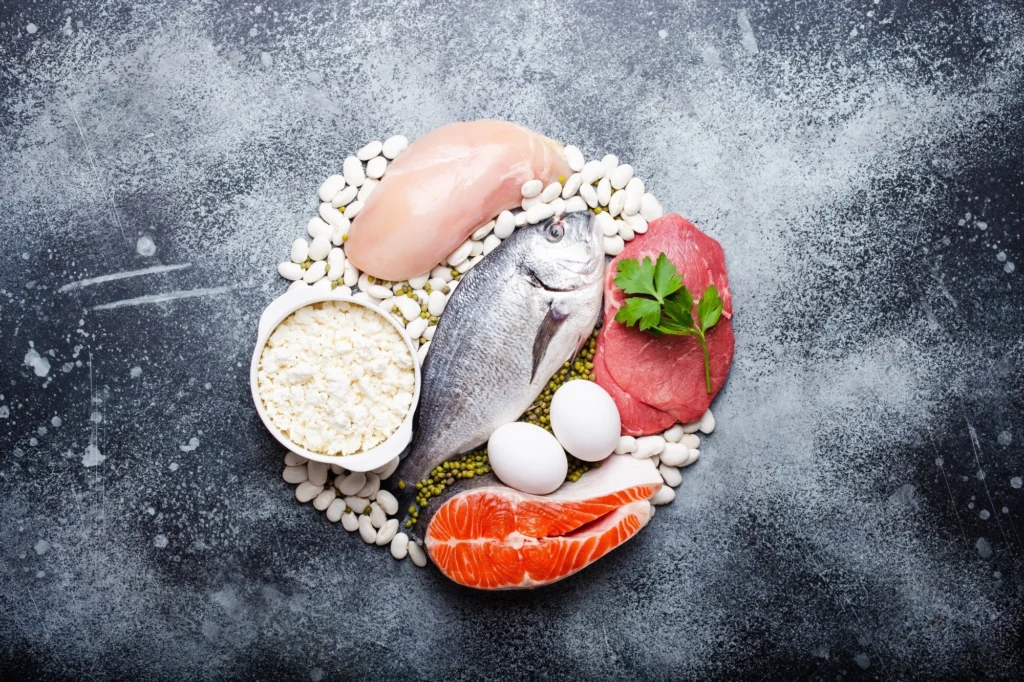
Not all proteins are created equal. Complete proteins containing all nine essential amino acids are superior for muscle growth compared to incomplete proteins lacking certain amino acids.
Best Complete Protein Sources
Animal sources (all complete): chicken, fish, beef, eggs, Greek yogurt, cottage cheese, whey protein powder
Plant sources (combine for complete): lentils with rice, tofu with quinoa, chickpeas with whole wheat bread
Protein and Performance: Pre-Workout Nutrition
While post-workout protein timing is less critical than commonly believed, pre-workout nutrition remains important. Consuming a small amount of protein and carbohydrates 60 to 90 minutes before training provides amino acids for muscle preservation and glycogen for energy.
Pre-Workout Meal Examples
Option 1: One large banana plus one scoop whey protein mixed with water
Option 2: One cup Greek yogurt with granola and blueberries
Option 3: Two slices whole wheat bread with two tablespoons almond butter
Protein Supplementation: Do You Need It
Protein powder is a convenient tool for meeting daily targets, but whole foods should comprise the majority of your intake. Whey protein powder is particularly useful post-workout or as a quick meal option when whole foods are unavailable. Quality whey protein provides all essential amino acids and absorbs rapidly. However, whole food sources like chicken, fish, and eggs provide additional micronutrients not found in protein powder.
Putting It All Together: Your Action Plan
Step 1: Calculate Your Daily Target
Multiply your body weight in pounds by 0.8 to 1. This is your daily protein target. Aim to hit this number consistently every single day. Use a nutrition app if helpful for tracking.
Step 2: Distribute Across Meals
Divide your daily target by the number of meals you eat. If your target is 150 grams and you eat four meals, aim for roughly 38 grams per meal.
Step 3: Focus on Whole Foods
Make whole food sources your primary protein. Use protein powder strategically for convenience. Build meals around quality protein sources combined with vegetables and complex carbohydrates.
Conclusion
Protein timing for muscle growth is far simpler than supplement companies want you to believe. Total daily intake is what matters most, followed by distributing protein consistently throughout your day. Stop obsessing over post-workout windows and start focusing on hitting your daily protein targets with quality whole foods. This simple approach combined with consistent training will deliver the muscle growth results you are working toward.