


Learning how to lose belly fat for men is one of the most searched health topics, and for good reason. Belly fat is not just about appearance or fitting into your favorite jeans. Recent research from April 2026 shows that men with excess abdominal fat face significantly higher risks of serious health conditions including heart disease, type 2 diabetes, and low testosterone levels.
If you have been struggling to lose that stubborn belly fat despite trying different diets and exercise routines, you are not alone. Millions of men face this same challenge every single day. The good news is that with the right approach based on current scientific evidence, you can successfully reduce belly fat and dramatically improve your health. This comprehensive guide will walk you through everything you need to know about losing belly fat effectively and keeping it off for good.
Understanding Belly Fat in Men
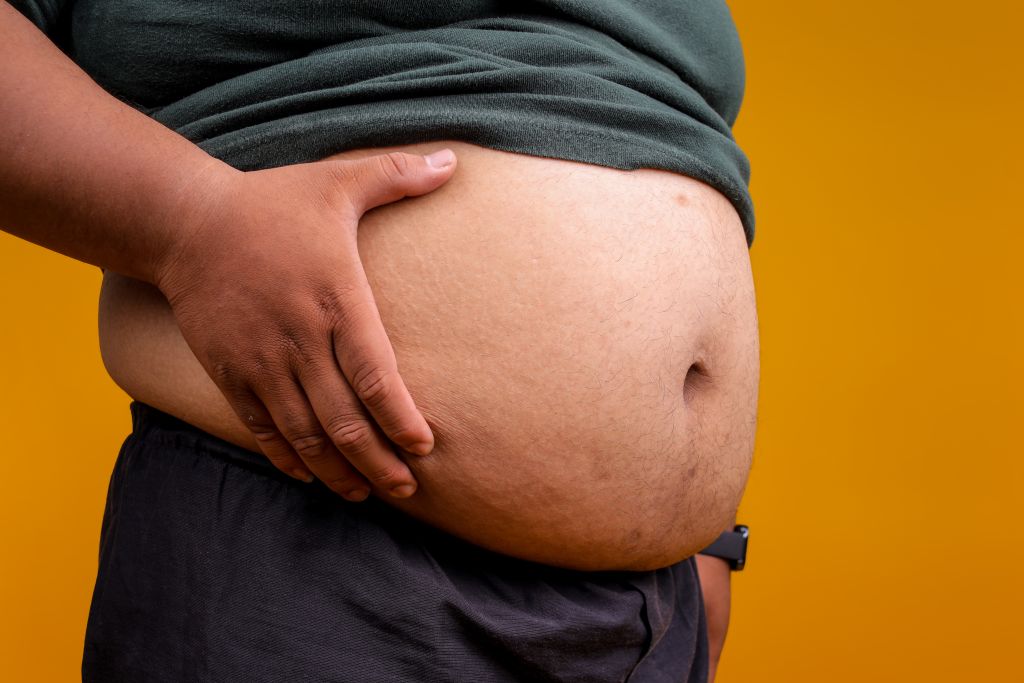
Before diving into how to lose belly fat, it is important to understand what belly fat actually is and why men tend to accumulate it around their midsection. Not all body fat is created equal, and the type of fat that builds up around your belly is particularly dangerous to your health.
When we talk about belly fat in men, we are primarily discussing visceral fat. This type of fat is different from the subcutaneous fat that sits just under your skin and causes the pinchable layer you might notice on your arms or thighs. Visceral fat surrounds your internal organs deep within your abdominal cavity, including your liver, pancreas, and intestines.
New research presented at the European Congress on Obesity in May 2026 revealed important findings about how obesity affects men differently than women. The study found that men with obesity are significantly more likely to develop visceral fat accumulation compared to women. This explains why men typically carry weight in their belly area, while women tend to store more fat in their hips and thighs.
Visceral fat is not just stored energy sitting passively in your body. It acts like an active organ that releases hormones and inflammatory substances into your bloodstream. These chemicals can interfere with your normal body functions, leading to insulin resistance, increased blood pressure, unhealthy cholesterol levels, and chronic inflammation throughout your body.
The distribution of fat in men is influenced by several factors including genetics, hormones, age, and lifestyle choices. Testosterone levels play a crucial role in where men store fat. As testosterone naturally declines with age, men become more prone to accumulating belly fat. Creating a vicious cycle, having more visceral fat further suppresses testosterone production, making it even harder to lose weight and maintain muscle mass.
Why Belly Fat is Dangerous for Men
Understanding the serious health risks associated with belly fat can provide powerful motivation to make changes. According to the Centers for Disease Control and Prevention, men with a waist circumference greater than 40 inches have a significantly higher risk of developing various health problems. Recent studies from 2026 have further confirmed these risks and identified additional concerns specific to men.
Heart disease stands as the leading cause of death for men, and excess belly fat dramatically increases your risk. Visceral fat releases substances that promote inflammation and interfere with how your heart and blood vessels function. Men with high levels of belly fat are twice as likely to develop cardiovascular disease compared to men with healthy waist measurements.
Type 2 diabetes is another major concern. The visceral fat around your organs makes your body resistant to insulin, the hormone that helps control blood sugar levels. When your cells stop responding properly to insulin, your blood sugar rises, eventually leading to diabetes. Research from Johns Hopkins University found that waist circumference is a better predictor of diabetes risk than overall body weight.
Low testosterone levels are closely linked to belly fat in men. Studies consistently show that men with higher amounts of visceral fat have lower total and free testosterone levels. This creates a harmful cycle where low testosterone makes it easier to gain belly fat, and having more belly fat further lowers testosterone. Low testosterone can cause decreased energy, reduced muscle mass, mood changes, and lower sex drive.
The April 2026 research also highlighted that men with obesity show elevated liver enzymes, indicating potential liver damage. Fatty liver disease has become increasingly common in men with excess belly fat. When too much fat accumulates in the liver, it can lead to inflammation and scarring, potentially progressing to serious liver problems if left untreated.
Beyond these major health risks, excess belly fat is associated with increased risk of certain cancers, sleep apnea, metabolic syndrome, and even cognitive decline as you age. At MensBuddy, we focus on helping men understand these health risks and take action to protect their long-term wellbeing through evidence-based strategies.
How to Measure Your Belly Fat
Before starting your journey to lose belly fat, it helps to know where you currently stand. Measuring your belly fat gives you a baseline to track progress and helps you understand whether you are at risk for health problems. There are several simple methods you can use to assess your belly fat levels.
The easiest and most accessible method is measuring your waist circumference. To do this correctly, wrap a tape measure around your bare abdomen, just above your hip bones, at about the level of your belly button. Make sure the tape is snug but not compressing your skin, and take the measurement after breathing out normally. For men, a waist circumference of 40 inches or more indicates a higher risk of health problems. If your waist measures 35 inches or less, you are generally in a healthy range.
The waist-to-hip ratio provides another useful measurement. Measure your waist as described above, then measure your hips at the widest part of your buttocks. Divide your waist measurement by your hip measurement to get your ratio. For men, a waist-to-hip ratio above 0.90 suggests unhealthy levels of abdominal fat and increased health risks.
Body fat percentage gives you a more complete picture of your overall body composition. While various methods exist to measure body fat, including bioelectrical impedance scales, skinfold calipers, and underwater weighing, the most accurate option is a DEXA scan. This specialized X-ray technology can measure exactly how much visceral fat you have and where it is located in your body.
Taking progress photos from the front, side, and back angles can also help you see changes over time that the scale might not show. Sometimes the most obvious progress comes from how your clothes fit rather than the number on the scale. Pay attention to whether your belt needs to go in a notch or if your pants feel looser around the waist.
Nutrition Strategies to Lose Belly Fat
Your diet plays the most critical role in losing belly fat. You cannot out-exercise a poor diet, so getting your nutrition right is essential for success. The good news is that you do not need to follow extreme or restrictive diets. Instead, focus on making sustainable changes to what and how you eat.
Create a Calorie Deficit
The fundamental principle of fat loss is simple. You need to consume fewer calories than your body burns each day. This calorie deficit forces your body to use stored fat for energy, leading to fat loss over time. However, the size of your deficit matters tremendously for maintaining muscle mass and feeling good throughout the process.
Aim to create a moderate calorie deficit of about 300 to 500 calories below your maintenance level. This allows for steady fat loss of approximately one to two pounds per week without triggering your body’s starvation response or causing excessive hunger. Losing weight too quickly often results in muscle loss along with fat loss, which slows down your metabolism and makes long-term maintenance harder.
Start by calculating your total daily energy expenditure, which represents how many calories you burn in a typical day including exercise and daily activities. Many free online calculators can estimate this number based on your age, weight, height, and activity level. Once you know your maintenance calories, subtract 300 to 500 to find your target daily intake for fat loss.
Prioritize Protein Intake
Protein becomes even more important when trying to lose belly fat. Eating enough protein helps preserve your muscle mass during weight loss, keeps you feeling full and satisfied between meals, and requires more energy to digest compared to carbohydrates or fats. Studies show that higher protein diets are particularly effective for reducing belly fat.
Aim to consume at least 0.7 to 1 gram of protein per pound of your body weight each day. For a 180-pound man, this means eating 126 to 180 grams of protein daily. Spread your protein intake across multiple meals rather than trying to get it all at once, as your body can only use a certain amount of protein at one time for muscle synthesis.
Choose high-quality protein sources like chicken breast, turkey, lean beef, fish, eggs, Greek yogurt, cottage cheese, and protein powder. Plant-based options like beans, lentils, tofu, and tempeh also provide good protein along with fiber. Including protein at every meal helps stabilize blood sugar levels and reduces cravings for unhealthy snacks.
Reduce Processed Foods and Added Sugars
Processed foods and added sugars are major contributors to belly fat accumulation. These foods are typically high in calories but low in nutrients, making it easy to overeat without feeling satisfied. They also cause rapid spikes in blood sugar followed by crashes, leading to increased hunger and cravings.
Focus on eating whole, minimally processed foods instead. Choose foods that come from nature and have not been significantly altered from their original form. Fresh vegetables, fruits, lean meats, fish, eggs, nuts, seeds, and whole grains should form the foundation of your diet.
Pay special attention to reducing added sugars, which are particularly problematic for belly fat. The American Heart Association recommends limiting added sugars to less than 25 grams per day for men. Read nutrition labels carefully and watch out for hidden sugars in products like flavored yogurt, breakfast cereals, granola bars, condiments, and salad dressings.
Increase Fiber Consumption
Dietary fiber is a powerful tool for losing belly fat. High-fiber foods help you feel full and satisfied while eating fewer calories. Fiber slows down digestion, which keeps you feeling full longer and helps prevent overeating. It also feeds the beneficial bacteria in your gut, which play important roles in metabolism and fat storage.
Soluble fiber, found in foods like oats, beans, apples, and flaxseeds, is particularly effective for reducing belly fat. This type of fiber dissolves in water and forms a gel-like substance in your digestive system, slowing the absorption of nutrients and helping control blood sugar levels.
Aim for at least 30 to 38 grams of fiber per day from whole food sources. Include plenty of vegetables at every meal, eat whole fruits instead of drinking fruit juice, choose whole grains over refined grains, and add beans or lentils to your meals several times per week. Increase your fiber intake gradually to avoid digestive discomfort.
Choose Healthy Fats
Contrary to popular belief, eating fat does not automatically make you fat. In fact, including healthy fats in your diet is important for losing belly fat and maintaining good health. Healthy fats help you feel satisfied after meals, support hormone production, reduce inflammation, and help your body absorb certain vitamins.
Focus on monounsaturated and polyunsaturated fats from sources like avocados, nuts, seeds, olive oil, fatty fish like salmon and mackerel, and natural nut butters. These fats have been shown to improve heart health and may even help reduce belly fat when consumed as part of a balanced diet.
Limit saturated fats from sources like fatty cuts of meat, full-fat dairy products, and tropical oils. Avoid trans fats completely, as they promote inflammation and are strongly linked to belly fat accumulation and heart disease. Check ingredient lists for partially hydrogenated oils, which indicate the presence of trans fats.
Exercise Strategies for Losing Belly Fat

While nutrition is the foundation of fat loss, exercise plays a crucial supporting role. The right exercise program helps you burn additional calories, preserve muscle mass during weight loss, improve your metabolic health, and specifically target the mechanisms that lead to belly fat accumulation.
Strength Training
Resistance training should be the cornerstone of your exercise program when trying to lose belly fat. Lifting weights or using resistance bands helps you maintain and build muscle mass, which is essential for keeping your metabolism running strong. Muscle tissue burns more calories at rest than fat tissue, so having more muscle means you burn more calories throughout the day even when not exercising.
Focus on compound exercises that work multiple muscle groups at once. Exercises like squats, deadlifts, bench presses, rows, overhead presses, and pull-ups provide the most bang for your buck. These movements engage your core muscles, helping strengthen and tone your abdominal area while building muscle throughout your entire body.
Aim to strength train at least three to four times per week, working all major muscle groups. Use weights that challenge you for 8 to 12 repetitions per set. As you get stronger, progressively increase the weight or resistance to continue making progress. Even during a calorie deficit, pushing yourself in the gym signals your body to hold onto muscle tissue rather than breaking it down for energy.
Cardiovascular Exercise
Cardio exercise burns calories and improves your heart health, both of which support belly fat loss. However, you need to be strategic about the type and amount of cardio you do. Too much cardio, especially long slow sessions, can lead to muscle loss and leave you feeling exhausted and hungry.
High-intensity interval training has been shown to be particularly effective for reducing belly fat. This involves alternating short bursts of intense effort with periods of rest or lower-intensity activity. For example, you might sprint for 30 seconds followed by 60 seconds of walking, repeated for 20 minutes. Research shows that this type of training burns significant calories, boosts your metabolism for hours after exercise, and specifically targets visceral fat.
Include two to three cardio sessions per week lasting 20 to 30 minutes each. You can choose from various activities like running, cycling, rowing, swimming, or jumping rope. The key is to challenge yourself during the high-intensity intervals while allowing adequate recovery between sessions.
Increase Daily Movement
Beyond structured exercise sessions, increasing your overall daily movement can significantly contribute to belly fat loss. Non-exercise activity thermogenesis, which represents all the calories you burn through daily activities outside of formal exercise, can account for hundreds of calories per day.
Aim for at least 8,000 to 10,000 steps per day through normal activities, walking breaks, and post-meal walks. Take the stairs instead of the elevator, park farther away from store entrances, stand while talking on the phone, and look for opportunities to move throughout your day. These small changes add up to significant calorie expenditure over time without leaving you exhausted or overly hungry.
If you have a desk job, set reminders to stand up and move for a few minutes every hour. Consider using a standing desk for part of your workday or taking walking meetings when possible. The goal is to avoid sitting for extended periods, as prolonged sitting is associated with increased belly fat even in people who exercise regularly.
Lifestyle Factors That Impact Belly Fat
Nutrition and exercise are crucial, but other lifestyle factors can make or break your success in losing belly fat. Pay attention to these often-overlooked aspects of health that have powerful effects on fat storage and metabolism.
Get Quality Sleep
Sleep might be the most underestimated factor in belly fat loss. When you consistently get less than seven hours of sleep per night, your body releases more cortisol, a stress hormone that promotes fat storage, especially around your abdomen. Poor sleep also disrupts the hormones that control hunger and fullness, making you feel hungrier and less satisfied after eating.
Research shows that people who sleep less than six hours per night are significantly more likely to gain belly fat compared to those who get seven to nine hours. Lack of sleep also impairs your willpower and decision-making, making it harder to stick to your nutrition and exercise plans.
Prioritize getting seven to nine hours of quality sleep each night. Create a consistent sleep schedule by going to bed and waking up at the same times every day, even on weekends. Make your bedroom dark, quiet, and cool. Avoid screens for at least one hour before bed, as the blue light from phones and computers interferes with melatonin production.
Manage Stress Effectively
Chronic stress is a major contributor to belly fat accumulation. When you experience ongoing stress, your body maintains elevated levels of cortisol. This hormone signals your body to store fat, particularly in your abdominal area. High cortisol also increases cravings for sugary and fatty comfort foods.
Find healthy ways to manage daily stress. Regular exercise itself is an excellent stress reliever. Other effective strategies include meditation, deep breathing exercises, spending time in nature, engaging in hobbies you enjoy, maintaining social connections, and practicing gratitude. Even five to ten minutes of focused breathing or meditation each day can significantly reduce cortisol levels.
If you feel overwhelmed by stress or notice it affecting your sleep, mood, or eating habits, consider talking with a mental health professional. Managing stress is not just good for your belly fat goals but for your overall health and quality of life.
Limit Alcohol Consumption
Alcohol consumption is strongly linked to belly fat accumulation, particularly in men. Alcoholic drinks are high in calories but provide no nutritional value. A single beer contains about 150 calories, while mixed drinks can have 300 calories or more. These calories add up quickly and often do not register in your brain as food, making it easy to overconsume.
Beyond the direct calorie contribution, alcohol affects your body in ways that promote belly fat storage. It disrupts your sleep quality, lowers testosterone levels, increases cortisol, impairs your judgment around food choices, and causes your liver to prioritize processing alcohol over burning fat.
If your goal is to lose belly fat, significantly reducing or eliminating alcohol provides one of the fastest and most noticeable improvements. If you choose to drink, limit yourself to one or two drinks per week rather than daily consumption. Choose lower-calorie options like light beer or spirits with zero-calorie mixers instead of sugary cocktails.
Stay Properly Hydrated
Drinking enough water supports your fat loss efforts in multiple ways. Water helps your body metabolize stored fat, suppresses appetite when consumed before meals, replaces high-calorie beverages, and prevents dehydration which can slow your metabolism. Sometimes what feels like hunger is actually thirst in disguise.
Aim to drink at least half your body weight in ounces of water each day. For a 180-pound man, this would be 90 ounces or about 11 cups of water daily. Drink a large glass of water when you wake up to rehydrate after sleep, keep a water bottle with you throughout the day, and drink water before and during meals.
Avoid sugary drinks like soda, sweetened coffee drinks, energy drinks, and fruit juices, as these add significant calories without providing satiety. Diet sodas are calorie-free but may increase cravings for sweet foods and have been associated with increased belly fat in some studies. Water should be your primary beverage.
Take Control of Your Health Today
Losing belly fat is not just about looking better, it is about protecting your long-term health and feeling your best every day. The strategies outlined in this guide are based on the latest scientific research and proven to work when applied consistently. Remember that sustainable change takes time, but every healthy choice you make moves you closer to your goals. For more evidence-based health and fitness guidance, explore the resources available at MensBuddy to support your journey toward better health.
Frequently Asked Questions About Losing Belly Fat for Men
How long does it take to lose belly fat for men?
The timeline for losing belly fat varies based on your starting point, genetics, and how consistently you follow your plan. Most men can expect to lose about one to two pounds per week with a proper diet and exercise program, which translates to roughly four to eight pounds per month. However, not all of this weight loss will come from belly fat. You might notice changes in your face, arms, and legs before seeing significant reduction in your waistline. Generally, expect to see noticeable changes in belly fat after two to three months of consistent effort. Men starting with more belly fat may see faster initial progress, while those closer to a healthy weight may experience slower but steady improvements.
Can you lose belly fat without exercise?
Yes, you can lose belly fat through diet alone by creating a calorie deficit. Since weight loss ultimately comes down to burning more calories than you consume, adjusting your nutrition can lead to fat loss even without formal exercise. However, adding exercise to your plan provides significant advantages. Strength training helps preserve muscle mass during weight loss, which keeps your metabolism higher. Exercise also improves insulin sensitivity, reduces stress, enhances mood, and directly targets the mechanisms that cause visceral fat accumulation. While possible to lose belly fat without exercise, combining proper nutrition with regular physical activity produces faster results and better overall health improvements.
What foods burn belly fat in men?
No single food magically burns belly fat, but certain foods support fat loss better than others. High-protein foods like chicken, fish, eggs, and Greek yogurt help preserve muscle mass and increase feelings of fullness. Foods rich in soluble fiber such as oats, beans, apples, and vegetables slow digestion and help control appetite. Green tea contains compounds that may slightly boost metabolism and fat burning. Fatty fish like salmon provide omega-3 fatty acids that reduce inflammation. Whole grains, nuts, and seeds offer sustained energy without blood sugar spikes. The key is creating a balanced diet centered on whole, minimally processed foods while maintaining a calorie deficit. Focus on what you eat overall rather than looking for magic fat-burning foods.
Why do men gain belly fat as they age?
Several factors contribute to increased belly fat as men get older. Testosterone levels naturally decline with age, typically starting in the thirties and continuing throughout life. Lower testosterone makes it easier to gain fat and harder to build or maintain muscle mass. Muscle mass naturally decreases with age as well, which slows down metabolism since muscle tissue burns more calories than fat. Many men also become less active as they age due to career demands, family responsibilities, or simply settling into more sedentary routines. Stress levels often increase with age, leading to elevated cortisol which promotes belly fat storage. Sleep quality may decline, further affecting hormones that control appetite and fat storage. Understanding these factors helps men take proactive steps to maintain healthy body composition throughout life.
Is it harder for men over 40 to lose belly fat?
Yes, men over 40 typically find it more challenging to lose belly fat compared to younger men, but it is absolutely possible with the right approach. The main challenges include lower testosterone levels, decreased muscle mass, slower metabolism, and often busier lifestyles that make consistent exercise and meal preparation harder. However, men over 40 have advantages too, including better discipline, life experience, and often more resources to invest in their health. Success requires paying extra attention to strength training to preserve muscle mass, ensuring adequate protein intake, prioritizing quality sleep and stress management, and being patient with progress. Many men in their forties, fifties, and beyond successfully lose significant belly fat and achieve excellent physiques by focusing on sustainable habits rather than quick fixes.
Does drinking water help lose belly fat?
Yes, drinking adequate water supports belly fat loss in several ways. Water helps your body metabolize stored fat more efficiently. Drinking water before meals can help you feel fuller and consume fewer calories. Staying hydrated supports your workout performance, allowing you to train harder and burn more calories. Water also helps prevent fluid retention that can make your belly appear larger. Some research suggests that drinking cold water may slightly increase calorie burning as your body works to warm the water to body temperature. Additionally, choosing water over sugary beverages eliminates hundreds of empty calories from your diet. While water alone will not cause fat loss without other dietary changes, proper hydration is an important piece of the puzzle. Aim for at least eight to ten glasses per day, and more if you exercise heavily or live in a hot climate.
Can stress cause belly fat in men?
Yes, chronic stress is a significant contributor to belly fat accumulation in men. When you experience ongoing stress, your body produces elevated levels of cortisol, often called the stress hormone. High cortisol levels signal your body to store fat, particularly in the abdominal area. This is an evolutionary response designed to provide energy during prolonged stressful periods. Cortisol also increases appetite and cravings for high-calorie comfort foods rich in sugar and fat. Stress often disrupts sleep quality, which further affects hormones that control hunger and fat storage. Many people also turn to unhealthy coping mechanisms like overeating, drinking alcohol, or skipping exercise when stressed. Managing stress through regular exercise, meditation, adequate sleep, social connections, and other healthy strategies can significantly reduce cortisol levels and make losing belly fat much easier.
What is the fastest way to lose belly fat for men?
While there is no magic bullet for rapid belly fat loss, the most effective approach combines several strategies implemented consistently. Start with creating a moderate calorie deficit of 300 to 500 calories per day through improved nutrition. Eliminate or drastically reduce added sugars, processed foods, and alcohol from your diet. Eat plenty of protein at every meal to preserve muscle mass and control appetite. Engage in strength training three to four times per week to maintain metabolism. Add two to three high-intensity interval training sessions for additional calorie burning and direct effects on visceral fat. Aim for 10,000 steps daily to increase overall calorie expenditure. Get seven to nine hours of quality sleep each night to optimize fat-burning hormones. Manage stress through meditation or other relaxation techniques. This comprehensive approach produces the fastest sustainable results without risking muscle loss or health problems that come from extreme diets.
Common Mistakes Men Make When Trying to Lose Belly Fat

Avoiding these common pitfalls can save you weeks or months of frustration and help you reach your goals faster. Many men unknowingly sabotage their progress by making one or more of these mistakes.
Relying solely on cardio while neglecting strength training is a major error. Excessive cardio without resistance training leads to muscle loss along with fat loss. This slows your metabolism and leaves you looking skinny rather than fit and toned. Always prioritize strength training and use cardio as a supplement rather than your primary exercise method.
Doing endless crunches and sit-ups will not burn belly fat from your midsection. You cannot spot reduce fat from specific areas through targeted exercises. Ab exercises strengthen and build your core muscles, but they do not directly burn the fat covering those muscles. Focus on full-body workouts and creating a calorie deficit through diet to lose belly fat.
Cutting calories too drastically seems like it should speed up fat loss, but it actually backfires. Extreme calorie restriction slows your metabolism, increases muscle loss, triggers intense hunger and cravings, and often leads to binge eating and regaining lost weight. A moderate deficit that you can maintain consistently always wins over severe restriction that you can only sustain for a short time.
Weighing yourself daily and getting discouraged by normal fluctuations causes unnecessary stress. Your body weight can vary by several pounds from day to day due to water retention, digestive contents, and other factors unrelated to fat loss. Track your weight as a weekly average, take measurements, progress photos, and pay attention to how your clothes fit for a more accurate picture of your progress.
Neglecting sleep in favor of early morning workouts or late-night meal prep ultimately hurts your results. Poor sleep elevates cortisol, increases hunger, reduces willpower, and impairs workout performance. Prioritize getting seven to nine hours of quality sleep, even if it means adjusting your workout schedule or simplifying your meal preparation.
Final Thoughts on Losing Belly Fat for Men
Learning how to lose belly fat for men requires understanding that this is a comprehensive lifestyle change rather than a quick fix. The strategies outlined in this guide are based on the latest scientific research from 2026 and proven to work when applied consistently over time. Success comes from combining proper nutrition with effective exercise, adequate sleep, stress management, and other healthy lifestyle habits.
Remember that losing belly fat is not just about improving your appearance. The health benefits are profound and far-reaching. Reducing visceral fat lowers your risk of heart disease, diabetes, certain cancers, and many other serious conditions. It can improve your testosterone levels, increase energy, enhance mood, and help you feel more confident in every area of your life.
Set realistic expectations and focus on progress rather than perfection. Some weeks you will see great results, while others might feel slower. This is completely normal and part of the process. What matters is staying consistent with your healthy habits over months and years, not just days or weeks. Small improvements made consistently over time lead to remarkable transformations.
If you feel overwhelmed, start with just one or two changes rather than trying to overhaul your entire life at once. Perhaps begin by drinking more water and adding one strength training session per week. Once these become habits, add another healthy change. Building sustainable habits gradually leads to lasting success more reliably than attempting dramatic changes that prove impossible to maintain.
For continued support on your health and fitness journey, make sure to explore the additional resources and articles available at MensBuddy. Having access to reliable, science-based information empowers you to make informed decisions about your health and achieve your goals more effectively. Your journey to losing belly fat starts with a single decision to take control of your health today.