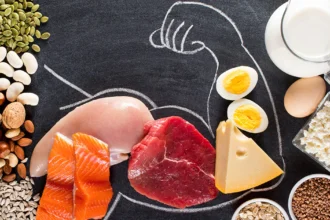


You track your protein. You know your creatine dose down to the gram. You’ve probably already read about protein timing, sorted out creatine versus protein, and maybe even dialed in your micronutrients. On paper, your diet looks locked in.
So why do you still feel bloated after meals? Why does your energy crash by mid-afternoon even though your macros are “perfect”? Why does the scale refuse to move even when your belly fat plan is technically working?
There’s a decent chance the answer isn’t more protein, less sugar, or a new supplement. It’s the one nutrient almost nobody tracks: fiber.
Fiber has an image problem. It sounds like something your grandfather worries about, not something that belongs in a conversation about muscle, hormones, or performance. But the research tells a different story. Fiber intake is tied to testosterone regulation, cholesterol control, blood sugar stability, gut bacteria diversity, and even how efficiently your body partitions the calories you eat. And most men — especially men eating high-protein, meat-heavy diets — are getting less than half of what they need.
This guide breaks down what fiber actually does in a man’s body, why the average “healthy eater” is still falling short, how much you really need, and exactly how to fix it without turning your diet into a bowl of bran flakes.
What Fiber Actually Is (and Why Most Men Get It Wrong)
Fiber is a type of carbohydrate that your body can’t fully digest. Instead of being broken down and absorbed like sugar or starch, it travels through your digestive system mostly intact, feeding gut bacteria, adding bulk to stool, and slowing down how quickly nutrients hit your bloodstream.
There are two main categories, and the difference matters more than most articles let on:
Soluble fiber dissolves in water and forms a gel-like substance in your gut. It’s the type most closely linked to lowering LDL cholesterol and stabilizing blood sugar. You’ll find it in oats, beans, lentils, apples, and flaxseed.
Insoluble fiber doesn’t dissolve. It adds bulk and helps move waste through your digestive tract efficiently. Whole wheat, nuts, cauliflower, and the skins of most fruits and vegetables are good sources.
A well-rounded diet needs both. Most men who do eat fiber tend to lean almost entirely on insoluble sources — think whole wheat bread or a side salad — while skipping the soluble fiber that does the heavier lifting for cholesterol and blood sugar. That imbalance is part of why so many guys “eat clean” but still deal with digestive issues, energy crashes, or stubborn cholesterol numbers on their bloodwork.
Why Men Specifically Are Falling Short
This isn’t a men-and-women-are-different gimmick. It comes down to how the modern “fitness diet” is typically built.
The high-protein trap. Once men start prioritizing muscle, the plate tends to fill up with chicken breast, eggs, ground beef, and protein shakes. All of that is great for muscle protein synthesis, but none of it contains fiber. If you’ve read our breakdown of the best protein sources for muscle gain, you’ll notice something: almost every food on that list has zero grams of fiber. That’s not a flaw in the list — it’s just what animal protein is. The issue shows up when those foods crowd out the plant-based side of the plate instead of sitting alongside it.
Low-carb and keto-style eating. Cutting carbs to control weight or blood sugar often means cutting fruit, whole grains, legumes, and starchy vegetables at the same time — which happens to be where most dietary fiber lives. You can absolutely eat low-carb and high-fiber, but it takes intention. Most men don’t bother, and fiber quietly disappears from the plate.
Convenience eating. Bars, shakes, and pre-packaged “high-protein” snacks are built to hit a protein number, not a fiber number. Something can carry “20g of protein” on the label while contributing almost nothing toward your daily fiber target.
Intermittent fasting. If you’re eating in a shorter window — something we cover in detail in our guide to intermittent fasting for men over 40 — you’re physically eating less total food. Fewer meals means fewer chances to hit fiber-rich foods unless you’re deliberate about it.
Put those four habits together and you get the profile of a huge number of health-conscious men: solid protein intake, reasonable calorie control, and a fiber intake sitting at roughly half of what the research recommends.
The Numbers: How Much Fiber Do Men Actually Need?
Health authorities generally recommend that adult men consume around 30 to 38 grams of fiber per day, with intake needs gradually decreasing slightly with age as calorie needs drop. A commonly cited rule of thumb is roughly 14 grams of fiber for every 1,000 calories consumed.
Here’s the uncomfortable part: population-level dietary surveys consistently show that the average adult in the U.S. eats somewhere between 15 and 18 grams of fiber a day — less than half the target. Men who are actively trying to eat “healthy” by focusing on lean protein and cutting processed carbs often land in that same range, or lower, because they’ve unintentionally cut fiber-rich foods along with the junk.
If you’re not tracking it directly, there’s a good chance you’re in that gap too.
The Gut-Testosterone Connection Nobody Talks About
This is the part that should get more attention in fitness circles than it does.
Your gut isn’t just a digestion tube — it’s home to trillions of bacteria that influence inflammation, hormone metabolism, and how your body processes the food you eat. Fiber is the primary fuel source for the “good” bacteria in your gut. When you eat fiber, those bacteria ferment it into short-chain fatty acids, compounds that help regulate inflammation throughout the body, including in tissues involved in hormone production.
Chronic low-grade inflammation — the kind driven by a poor diet, excess body fat, and poor gut health — is one of several factors associated with lower testosterone levels. This is a two-way relationship: obesity and poor metabolic health suppress testosterone, and low fiber intake is strongly linked to both weight gain and poor blood sugar control. If you’ve already read our piece on testosterone booster foods, you know that diet quality plays a real role in hormone health. Fiber doesn’t get the same headline treatment as zinc or vitamin D, but it’s arguably doing more behind-the-scenes work by keeping your gut bacteria — and therefore your inflammation levels — in check.
None of this means fiber is a testosterone supplement. It’s not. But treating gut health as irrelevant to hormone health is a mistake a lot of men make while obsessing over their next micronutrient stack.
Fiber, Blood Sugar, and Belly Fat
If fat loss around the midsection has felt harder than it should, fiber deserves a look before you touch your calories again.
Soluble fiber slows gastric emptying — meaning food leaves your stomach more slowly, digestion is gradual, and the sugar from your meal enters your bloodstream at a steadier rate instead of spiking. That steadier blood sugar response means less of an insulin spike, and insulin is one of the primary hormones that controls whether your body stores fat or burns it.
There’s also the appetite piece. Fiber-rich foods take up more physical space in your stomach and digest slowly, which is a big part of why they keep you full longer than the same number of calories from refined carbs or liquid calories. This is one of the most overlooked levers in a fat-loss plan. If you’re following the strategies in our guide to losing stubborn belly fat, adding 10 to 15 grams of fiber a day through whole foods is one of the simplest changes you can make without touching your training or restricting calories any further.
It also pairs well with smarter snacking. Our list of healthy snacks for weight loss leans heavily on fiber-rich options for exactly this reason — they keep hunger under control far better than a “low-calorie” snack that digests in ten minutes and leaves you hunting for more food an hour later.
Fiber and Heart Health: The Cholesterol Connection
Heart disease doesn’t announce itself with symptoms until it’s already a problem, which is exactly why it’s worth taking seriously in your 30s and 40s, not just after a scary bloodwork result.
Soluble fiber binds to cholesterol-containing bile acids in the digestive tract and helps carry them out of the body, which forces the liver to pull cholesterol from the bloodstream to make more bile acids. The net effect, seen consistently across clinical research, is a measurable reduction in LDL (“bad”) cholesterol when soluble fiber intake increases. Oats, in particular, contain a soluble fiber called beta-glucan that has one of the strongest evidence bases for this effect.
This matters more for men than it gets credit for. Cardiovascular risk factors tend to climb earlier in men than in women, and a lot of that risk is quietly built over years of eating a diet that’s technically “high protein” but nutritionally one-dimensional. Fiber is one of the cheapest, lowest-effort ways to push back against that trend.
The Best High-Fiber Foods for Men Who Lift
You don’t need to overhaul your diet to fix this. You need to add the right foods alongside what you’re already eating. Here’s where to start.
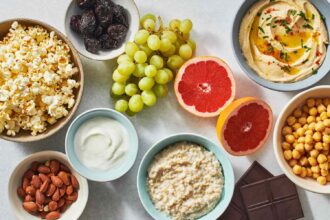
Legumes (8–15g per cup, cooked): Lentils, black beans, chickpeas, and kidney beans are the single best fiber-to-calorie ratio you’ll find, and they carry a respectable amount of protein too. Swap half your rice for lentils a few nights a week and your fiber intake jumps immediately.
Oats (4g per half-cup, dry): A genuinely underrated food for anyone training seriously. Oats are cheap, high in soluble fiber, and slow-digesting enough to fuel a workout without the blood sugar crash of sugary cereal.
Berries (4–8g per cup): Raspberries and blackberries top the list. They’re also lower in sugar than most fruit, which makes them a smart add-in for a protein shake or oatmeal.
Chia and flax seeds (5g per tablespoon): Two tablespoons stirred into yogurt or a smoothie adds close to 10 grams of fiber for almost no calories. Flaxseed also brings a dose of plant-based omega-3s.
Avocado (10g per whole fruit): Half an avocado on eggs or in a wrap is an easy way to add fiber and healthy fat in one move.
Broccoli, Brussels sprouts, and other cruciferous vegetables (4–5g per cup): These also support liver detoxification pathways involved in hormone metabolism, making them a solid pairing with the testosterone-support angle discussed earlier.
Whole grains — quinoa, farro, whole wheat pasta, brown rice (3–6g per cup): The easiest swap on this entire list. Same meal, same effort, more fiber.
Nuts, especially almonds (3.5g per ounce): A small handful as a snack or added to a salad adds up fast across a week.
Popcorn (3.5g per 3 cups, air-popped): Yes, really — popcorn is a 100% whole grain and one of the most fiber-dense snacks you can eat for the calories.
A Sample Day: High-Protein and High-Fiber Together
This is what it actually looks like to run both priorities at once, without turning your diet into a chore.
Breakfast: Oats made with milk, topped with a tablespoon of chia seeds and a handful of raspberries, plus a side of eggs for protein. Roughly 10–12g of fiber before you’ve even started your day.
Lunch: Grilled chicken over a base of quinoa and mixed greens, with black beans and half an avocado added in. Protein target hit, and another 15g of fiber stacked on top.
Pre- or post-workout: A protein shake blended with a tablespoon of ground flaxseed and a small banana.
Dinner: Salmon or lean beef with roasted Brussels sprouts and a side of farro or whole wheat pasta instead of white rice.
Snack: A small handful of almonds or a bowl of air-popped popcorn.
Stack that up and you’re comfortably past 35 grams of fiber for the day, without sacrificing a single gram of protein or turning meals into a production. The pattern that matters most: every meal has at least one fiber-forward food sitting next to the protein source, instead of protein standing alone on the plate.
Common Mistakes Men Make When Fixing This
Increasing fiber too fast. Jumping from 15g to 40g in a single day is the number one reason men try this, feel awful, and quit. Bloating, gas, and cramping are almost guaranteed if you spike your intake overnight. Add 5 grams every few days instead and let your gut bacteria adjust.
Not drinking enough water. Fiber needs water to do its job properly, particularly insoluble fiber. Increasing fiber without increasing water intake is one of the fastest ways to end up constipated instead of regular. This ties directly into the hydration habits covered in our hydration and electrolyte guide for men who train — the two nutrients work as a pair, not independently.
Relying entirely on supplements. Fiber supplements like psyllium husk have their place and can help close a gap, but they don’t deliver the same mix of vitamins, minerals, and plant compounds that whole foods provide. Use them to top off your intake, not replace real food.
Ignoring fiber while cutting. When calories get tight during a fat-loss phase, fiber-rich foods are often the first thing to go because they take up “room” that could go to more protein or fewer calories overall. This is exactly backward — fiber is one of the best tools you have for managing hunger while eating less.
Frequently Asked Questions
Does fiber interfere with muscle building?
No. Fiber doesn’t compete with protein absorption in any meaningful way for someone eating a normal, varied diet. The idea that fiber “blocks” protein is a myth that mostly comes from extreme, isolated lab conditions that don’t reflect real-world eating.
Can I get enough fiber from supplements alone?
You can close part of the gap, but whole foods bring fiber packaged with vitamins, minerals, and plant compounds that a powder or capsule can’t replicate. Think of supplements as a backup, not a strategy.
Will more fiber help me lose belly fat specifically?
Fiber won’t spot-reduce fat, but it supports the mechanisms — appetite control and blood sugar stability — that make sustainable fat loss easier. Combined with a solid training and calorie plan like the one in our belly fat guide, it’s a meaningful piece of the puzzle.
Is there such a thing as too much fiber?
Yes. Extremely high intakes, particularly from supplements, can interfere with mineral absorption and cause digestive discomfort. For almost every man reading this, the real risk is eating too little, not too much.
What’s the fastest way to know if I’m getting enough?
Track your intake with a nutrition app for three to five days. Most men are surprised by how low the number actually is once they see it in writing instead of guessing.
The Bottom Line
Protein builds the muscle. Creatine fuels the reps. Micronutrients keep the system running. But fiber is the nutrient quietly holding the whole thing together — your gut, your cholesterol, your blood sugar, and indirectly, your hormones. It’s not glamorous, and it will never sell a supplement stack, but it might be the single easiest upgrade left in your diet if you’ve already got protein and training dialed in.
You don’t need a new eating philosophy to fix this. You need beans on the side of your chicken, oats instead of a bar, and a handful of berries in your shake. Small, boring changes — stacked daily — are exactly how this nutrient earns back the attention it deserves.
This article is for informational purposes and doesn’t replace the advice of a health professional, nutritionist, or physician. If you have a pre-existing medical condition or questions about your specific situation, consult a specialist before making major changes to your diet or supplementation.